Healing Tower: A Biophilic Urban 250 Beds General Hospital


Idea projektu
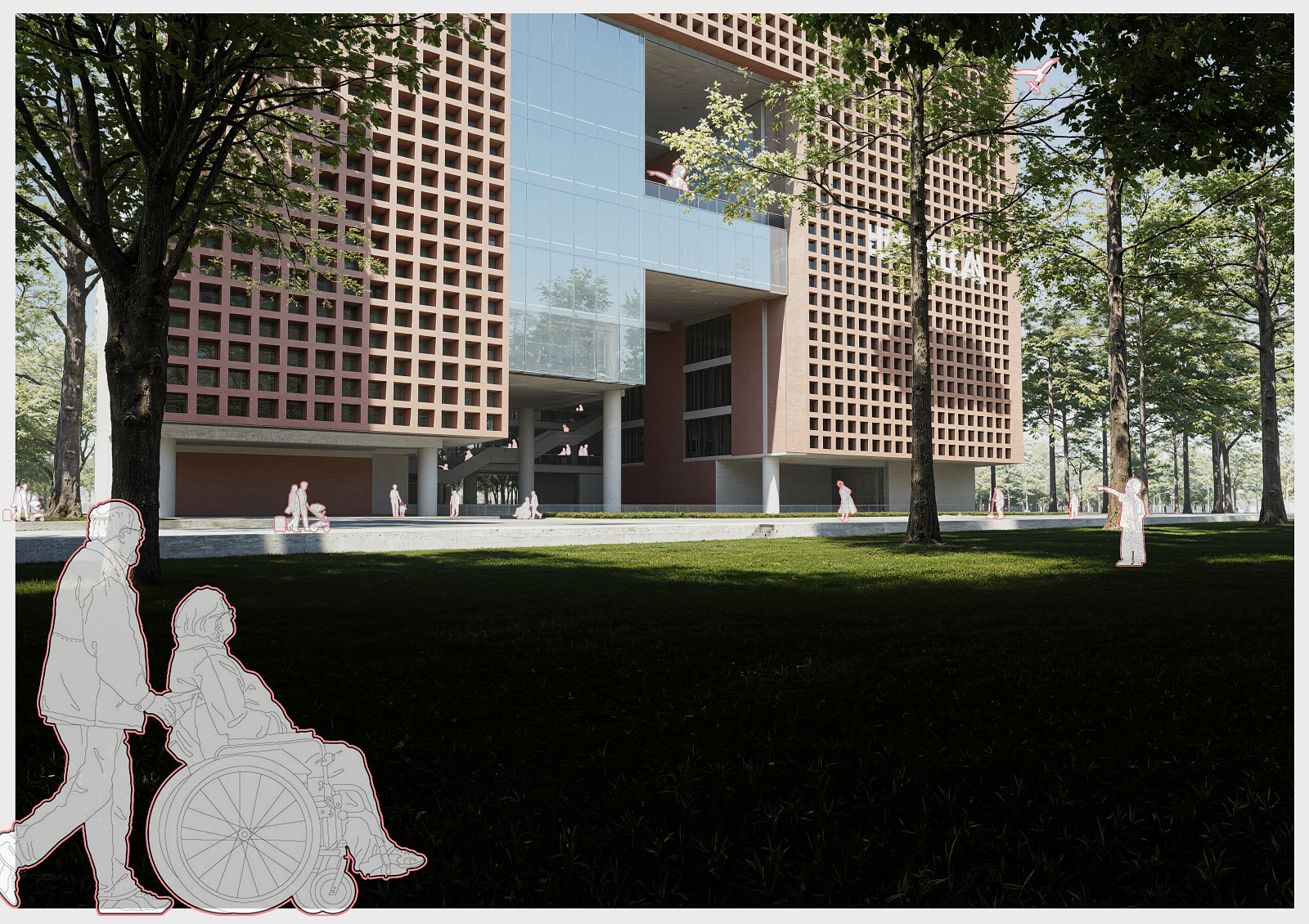
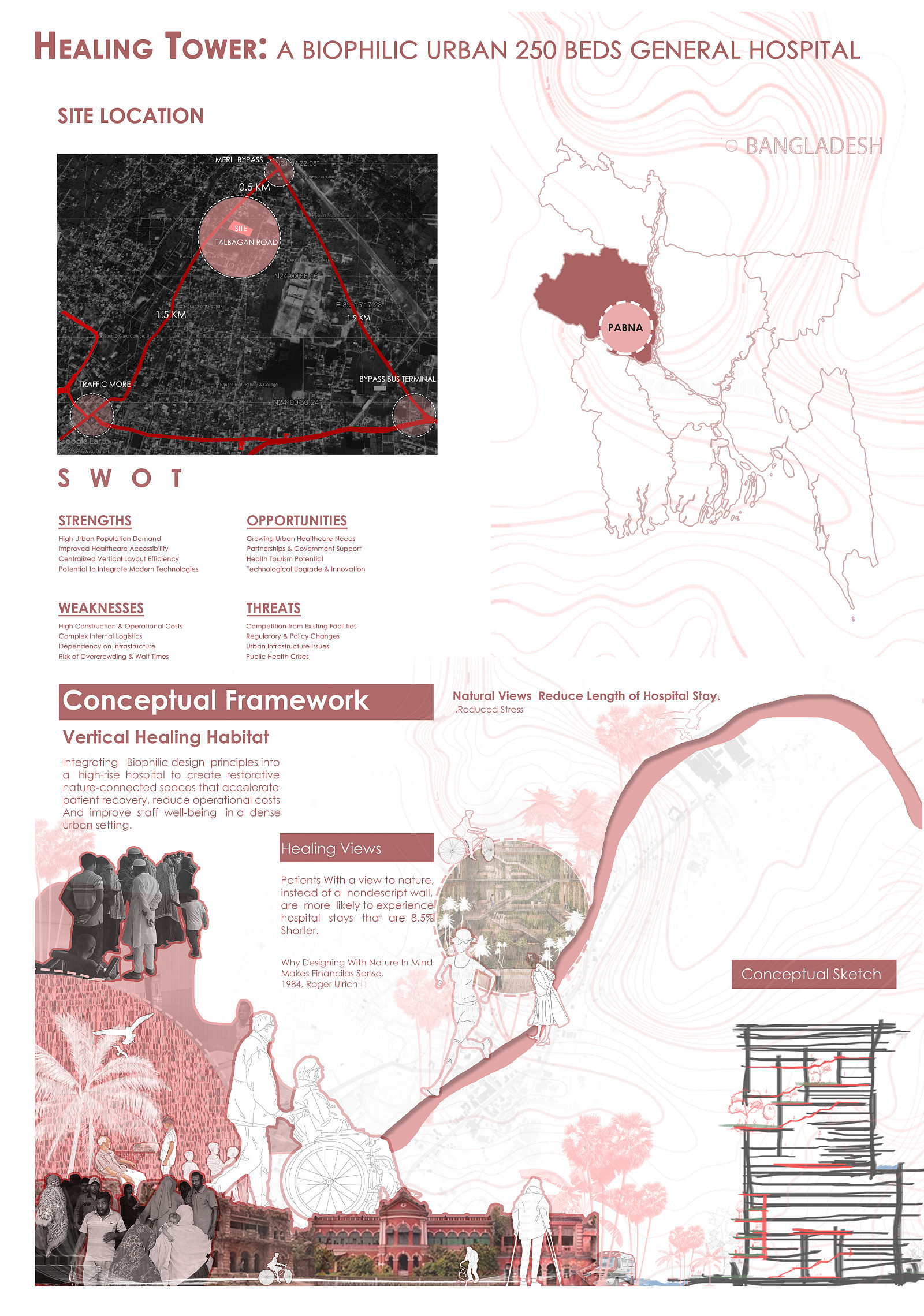
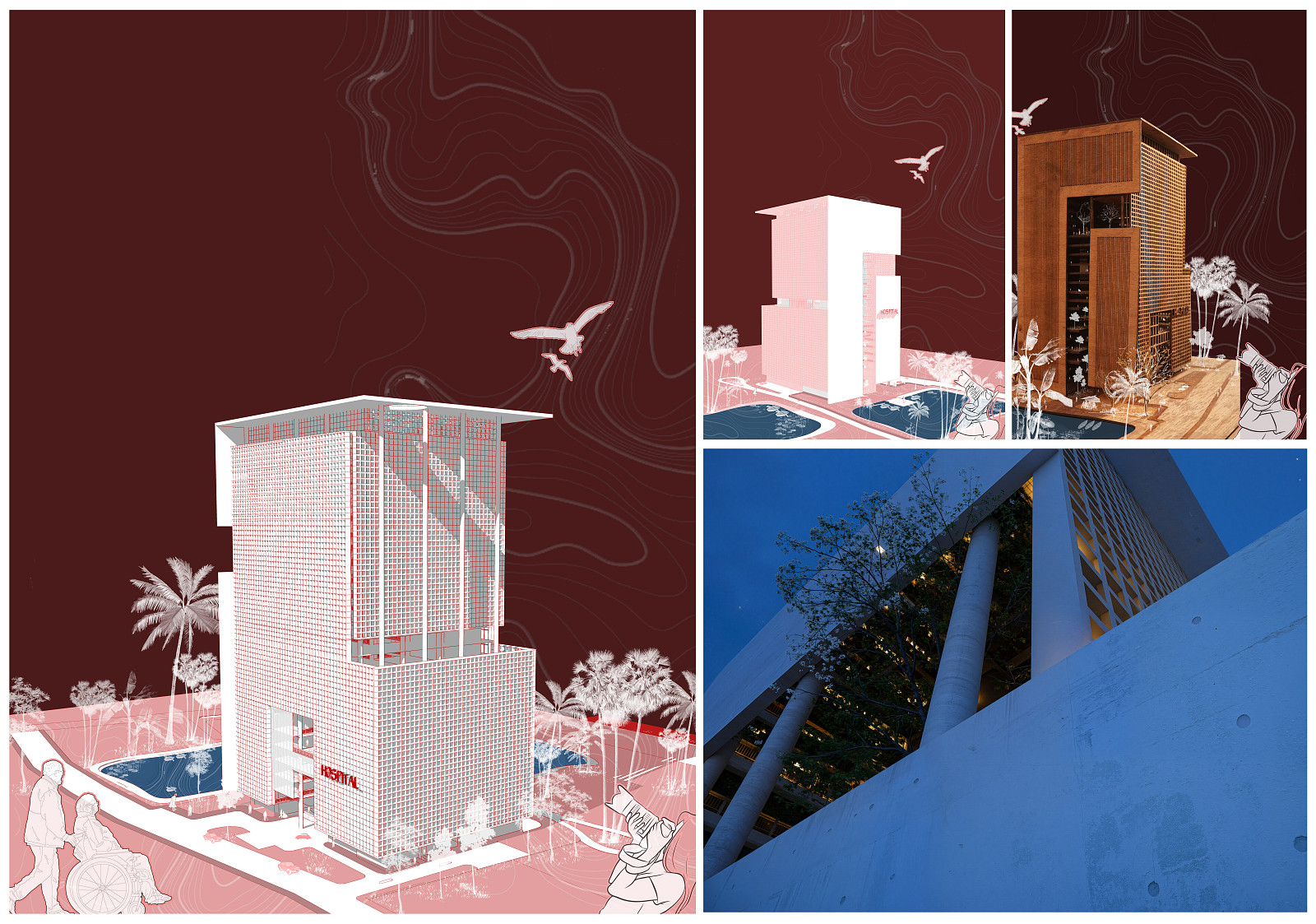
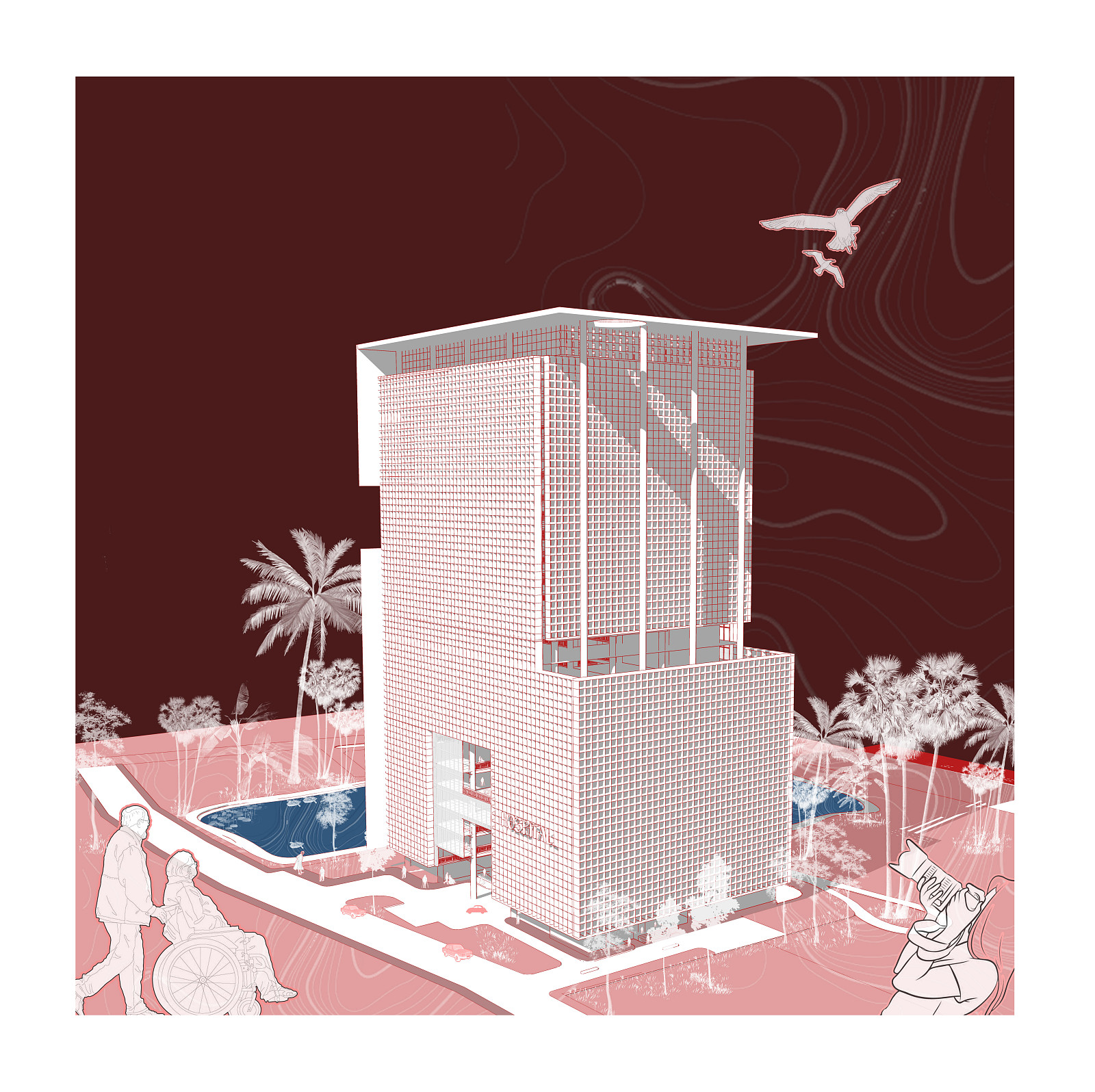
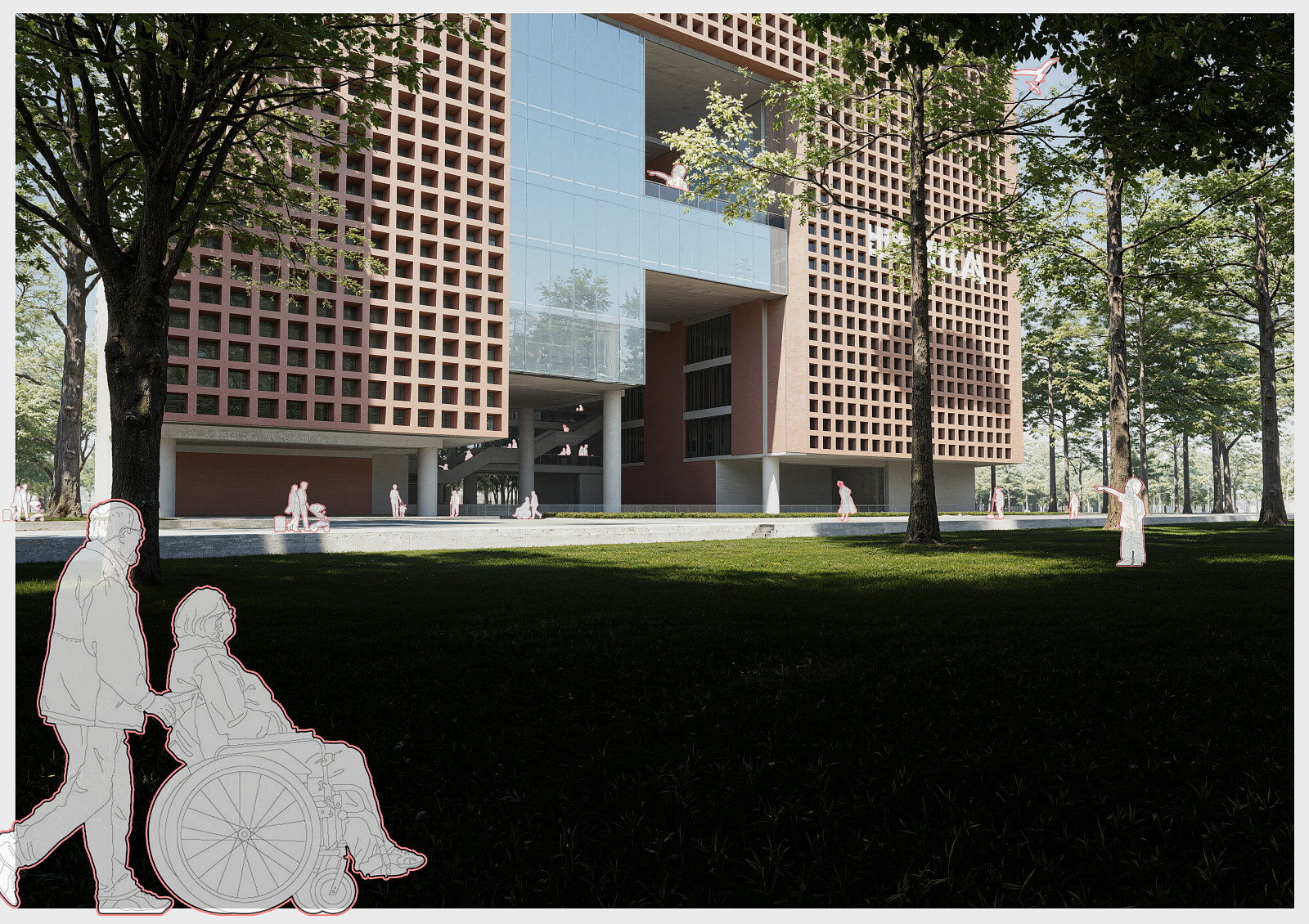
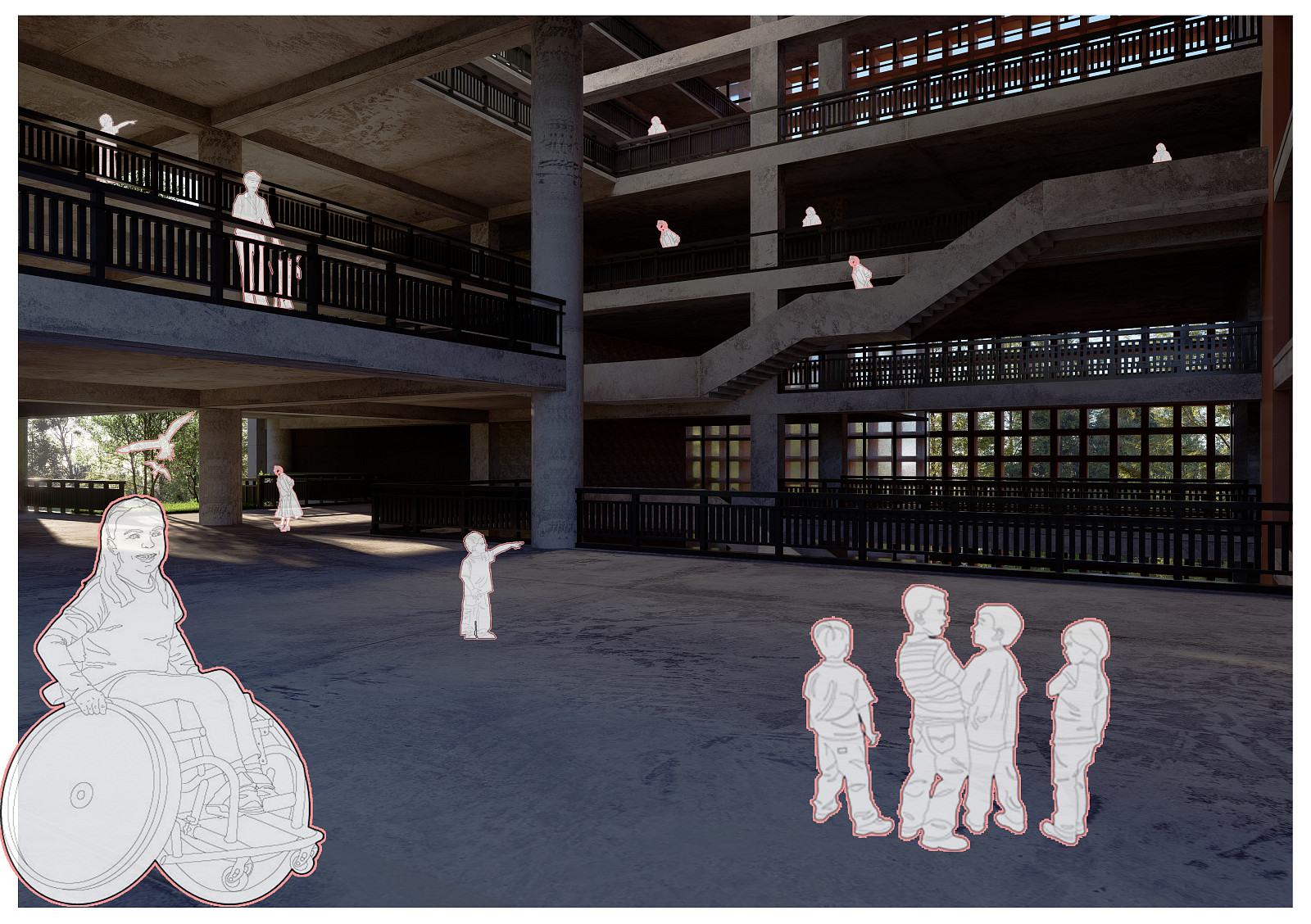
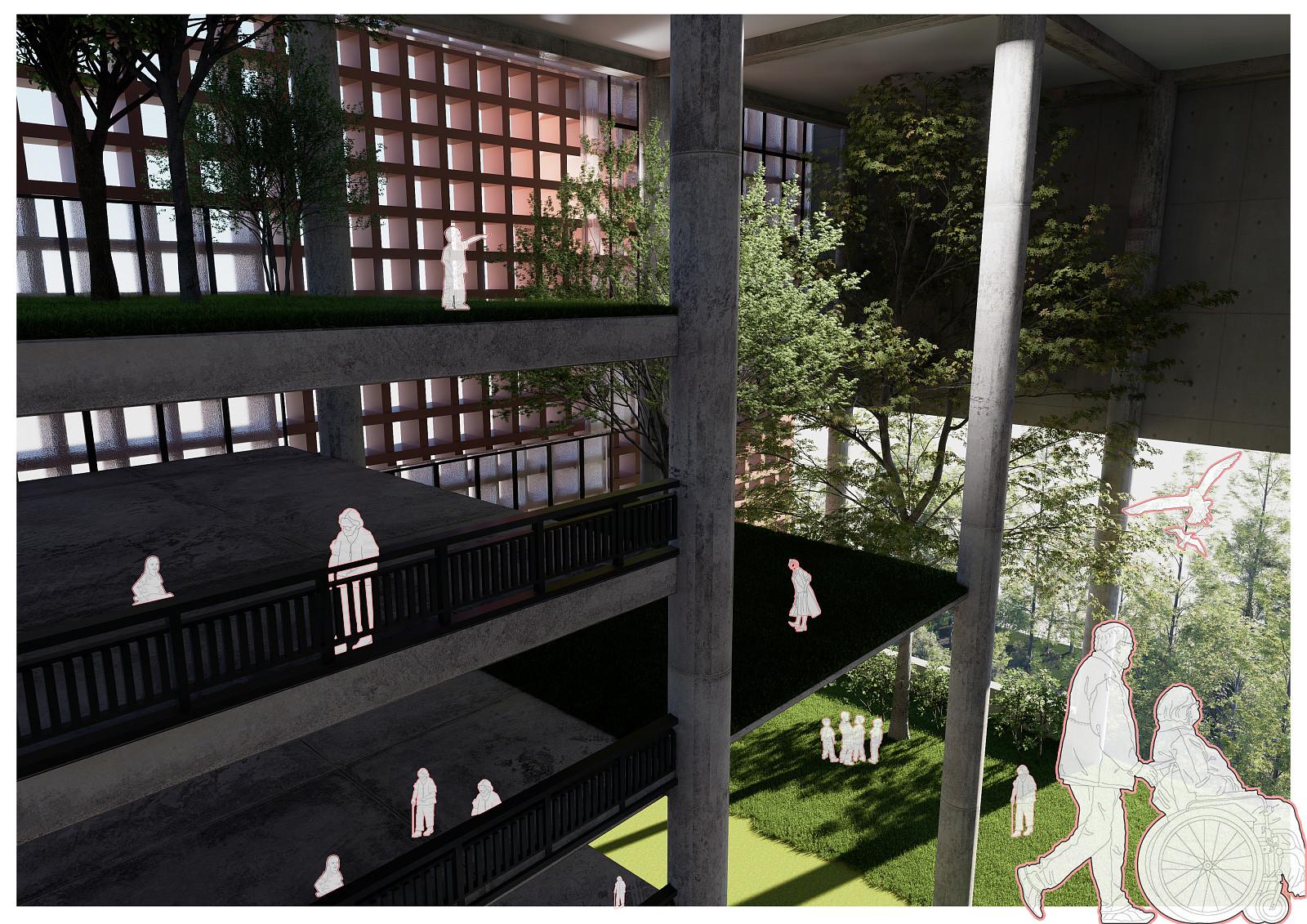
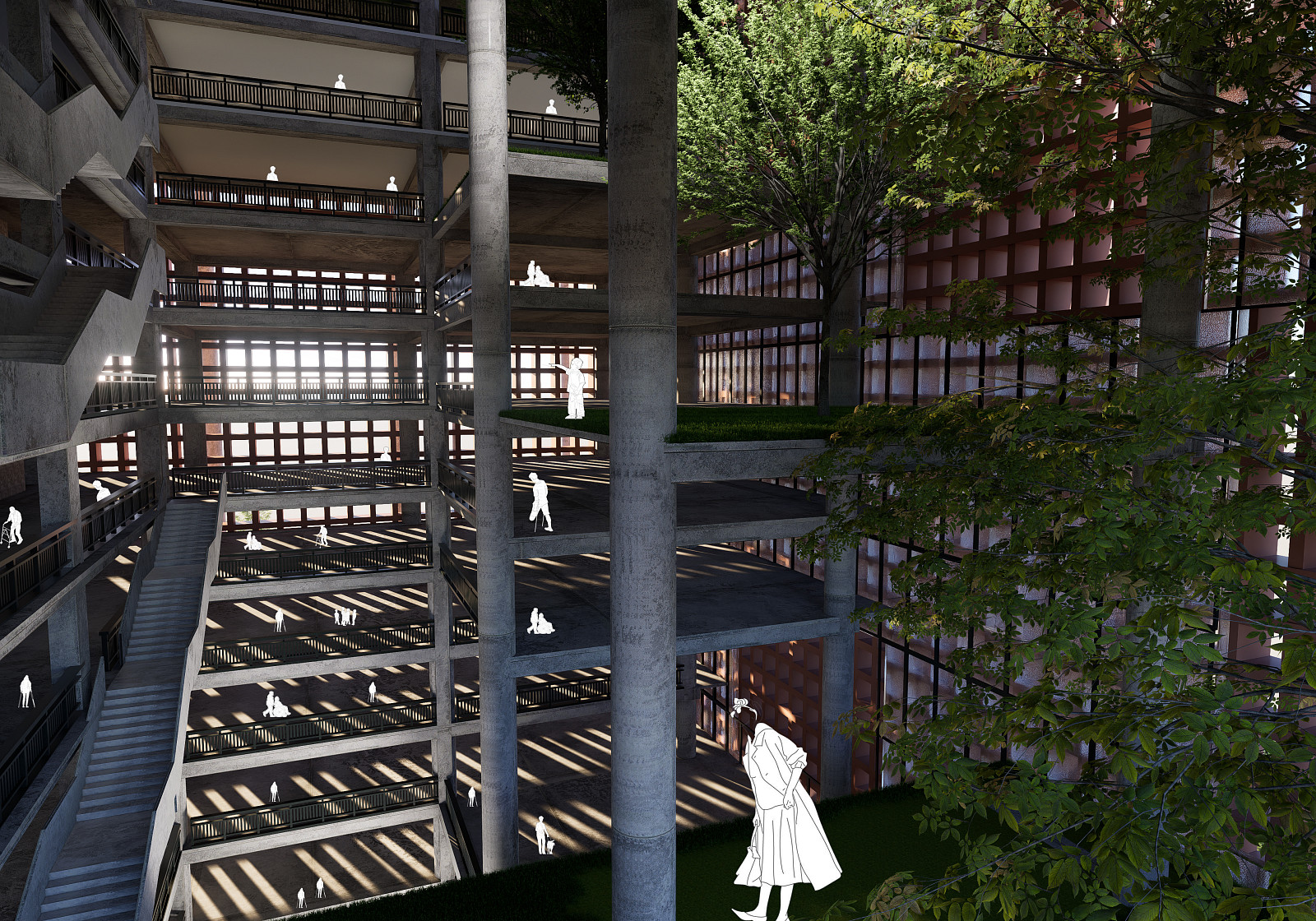
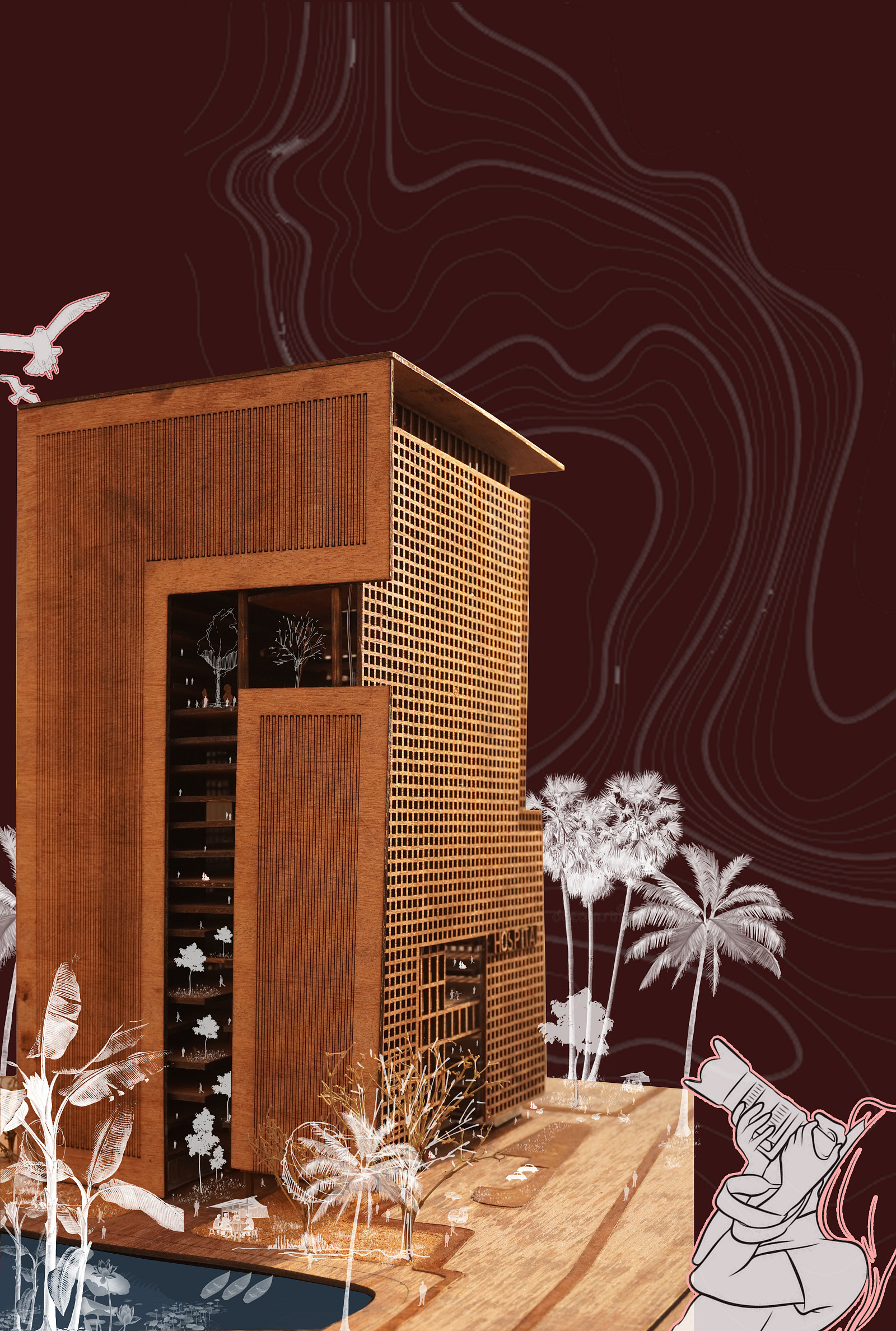
"Healing Tower” is a 250-bed vertical general hospital designed for the dense urban context of Pabna, where limited land availability demands efficient vertical development. The core idea of the project is to create a vertical healing habitat that integrates biophilic design principles into a high-rise healthcare facility. Instead of treating the hospital as a purely functional medical building, the concept envisions it as a therapeutic environment where nature becomes part of the healing process. By incorporating natural light, green terraces, healing gardens, open views, and cross-ventilation at different levels, the design aims to reduce patient stress, shorten recovery time, and improve staff well-being. The vertical zoning strategy places public and emergency services at the lower levels for easy access, critical care units in the central core for efficiency, and inpatient wards in the upper floors to ensure a quieter and more restorative environment. Sustainable features such as solar panels, passive cooling, and energy-efficient systems further strengthen the project’s environmental responsibility. Overall, the project proposes a modern, nature-connected, and functionally efficient urban hospital that responds to the growing healthcare demands of Pabna while redefining the experience of healing in a vertical architectural form.
Popis projektu
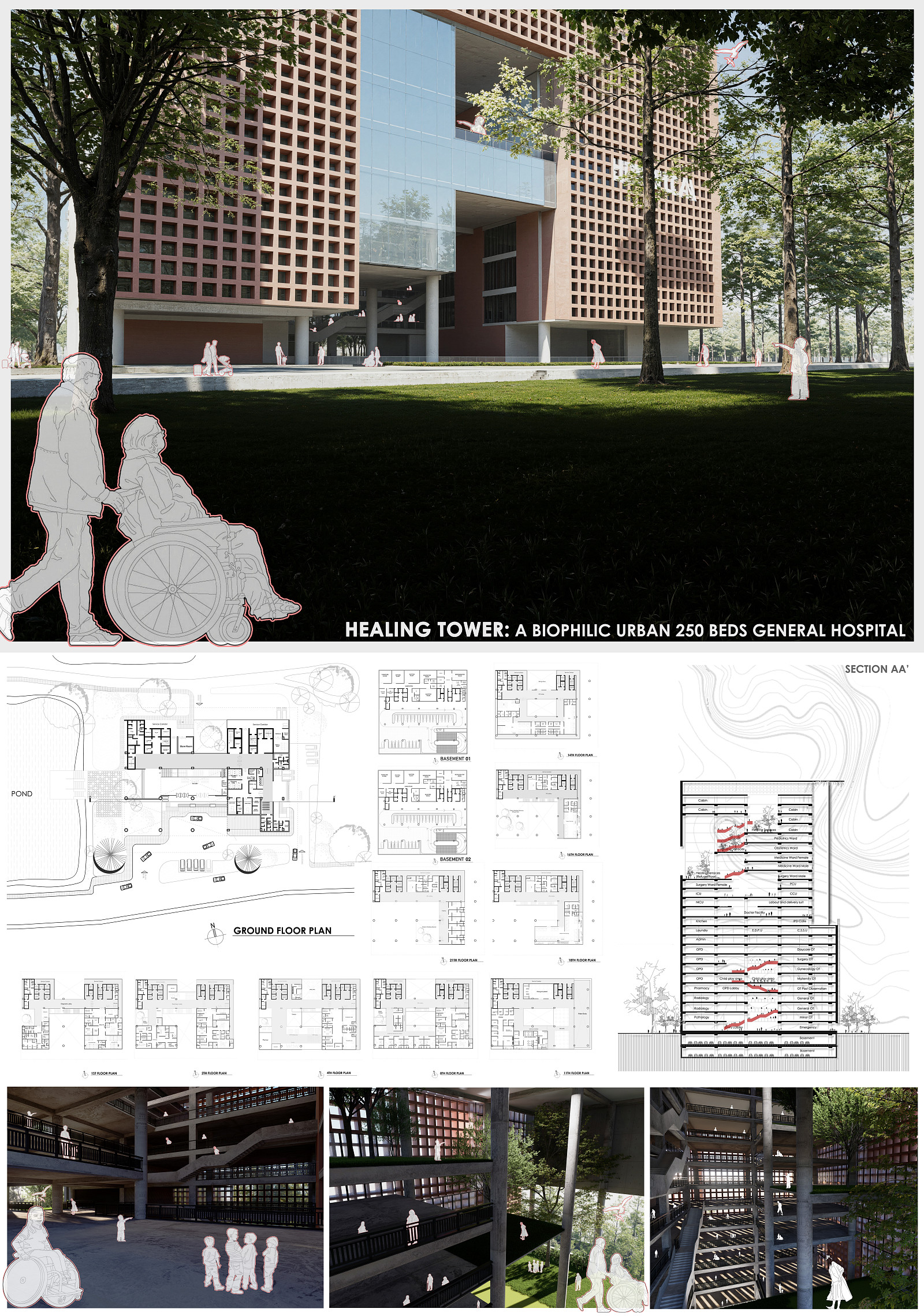
The proposed project, “Healing Tower—A Biophilic Urban 250-Bed General Hospital,” aims to address the growing healthcare demands of Pabna’s urban population through a vertically integrated, sustainable, and patient-centered hospital design. Due to limited land availability within the dense urban fabric, the project adopts a vertical development strategy that maximizes land efficiency while ensuring functional clarity and operational effectiveness. The scope of the project includes the planning and design of a 250-bed multi-specialty general hospital that integrates emergency services, outpatient departments (OPD), diagnostic facilities, operation theaters, intensive care units (ICU/CCU/NICU), inpatient wards, maternity and pediatric units, and administrative functions within a cohesive high-rise structure. The design solution focuses on creating a clear zoning strategy—placing public and emergency functions at the lower levels for accessibility, critical care facilities at central levels for efficiency, and recovery wards at upper levels to ensure a quieter and more healing environment.
A key component of the project scope is the incorporation of biophilic design principles to enhance the healing experience. The hospital integrates natural light, cross-ventilation, green terraces, healing gardens, and visual connections to nature at multiple levels. This approach not only improves patient recovery and reduces stress but also enhances staff productivity and overall hospital performance. The project solution also emphasizes sustainability and resilience through energy-efficient systems, solar integration, rainwater harvesting, and passive environmental strategies suitable for the climatic conditions of Pabna. Additionally, the design ensures safe circulation systems with separated flows for patients, visitors, medical staff, and services to maintain hygiene and operational efficiency. Overall, the scope of this project extends beyond providing medical infrastructure; it proposes a modern, sustainable, and nature-connected healthcare environment that redefines hospital design in an urban Bangladeshi context, ensuring long-term adaptability and improved community healthcare access.
Technické informace
The proposed 250-bed “Healing Tower” is a high-rise multi-specialty general hospital designed for the urban context of Pabna. The structure is planned as an RCC framed, earthquake-resistant building following BNBC guidelines, using a modular structural grid for flexibility and future adaptability. The hospital includes emergency, OPD, diagnostic imaging, modular operation theaters, ICU/CCU/NICU units, inpatient wards, and maternity and pediatric departments, along with administrative and support facilities. A centralized HVAC system with HEPA filtration for critical zones, a medical gas pipeline system, full backup power generation, fire detection and sprinkler systems, and separate vertical circulation (passenger lifts, stretcher lifts, service lifts, and fire stairs) ensure operational efficiency and safety. Sustainable features such as solar panels, rainwater harvesting, sewage treatment, natural daylight integration, and green terraces are incorporated to enhance energy performance and promote a healing environment within a vertical healthcare infrastructure.
Vytvořeno pomocí:


Copyright © 2026 INSPIRELI | All rights reserved. Use of this website signifies your agreement to the Terms of Use, Privacy Policy, and use of cookies.
