Center for Reviving of Traditional Heritage Crafts


Project idea
Project: Center for Reviving of Traditional Heritage Crafts
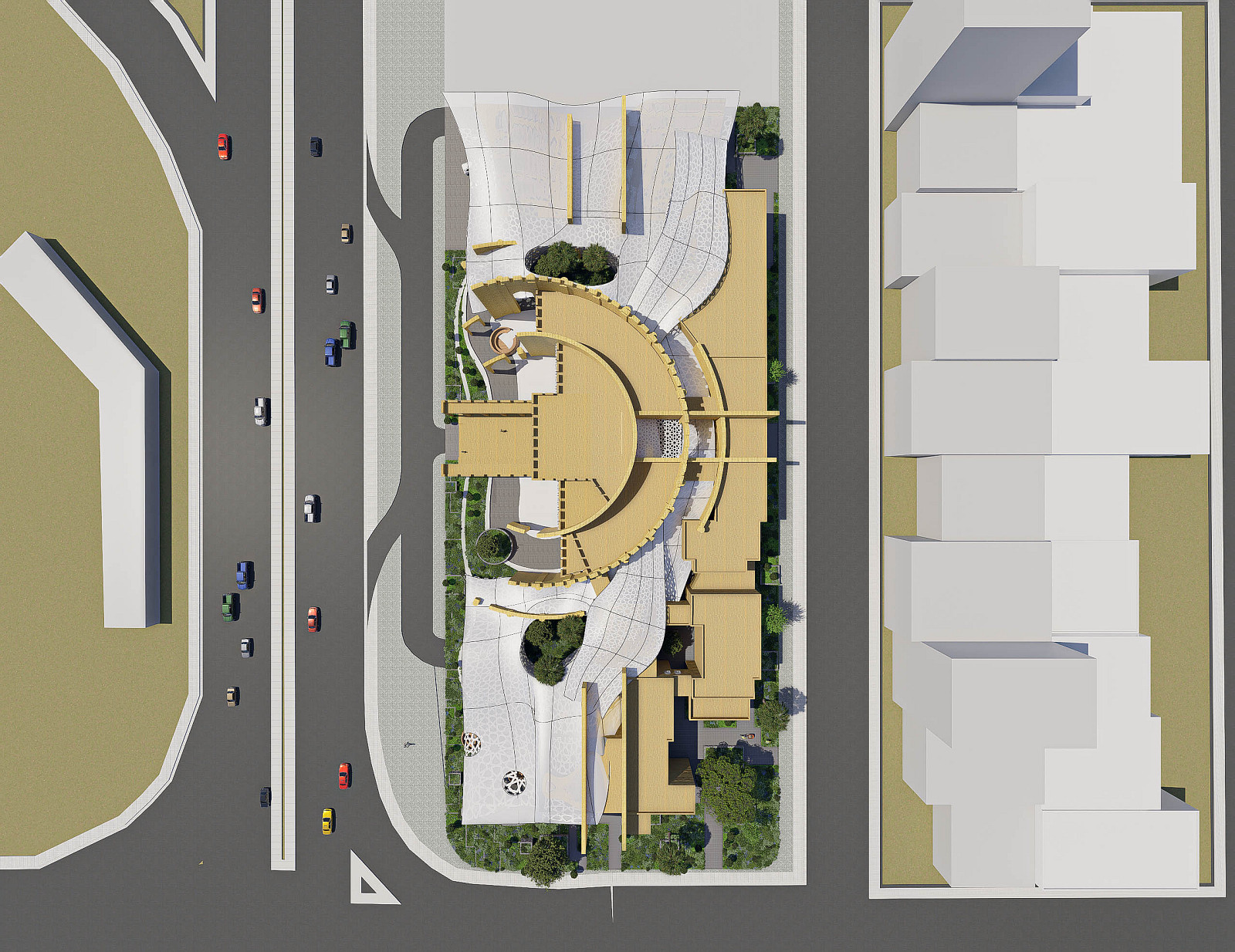
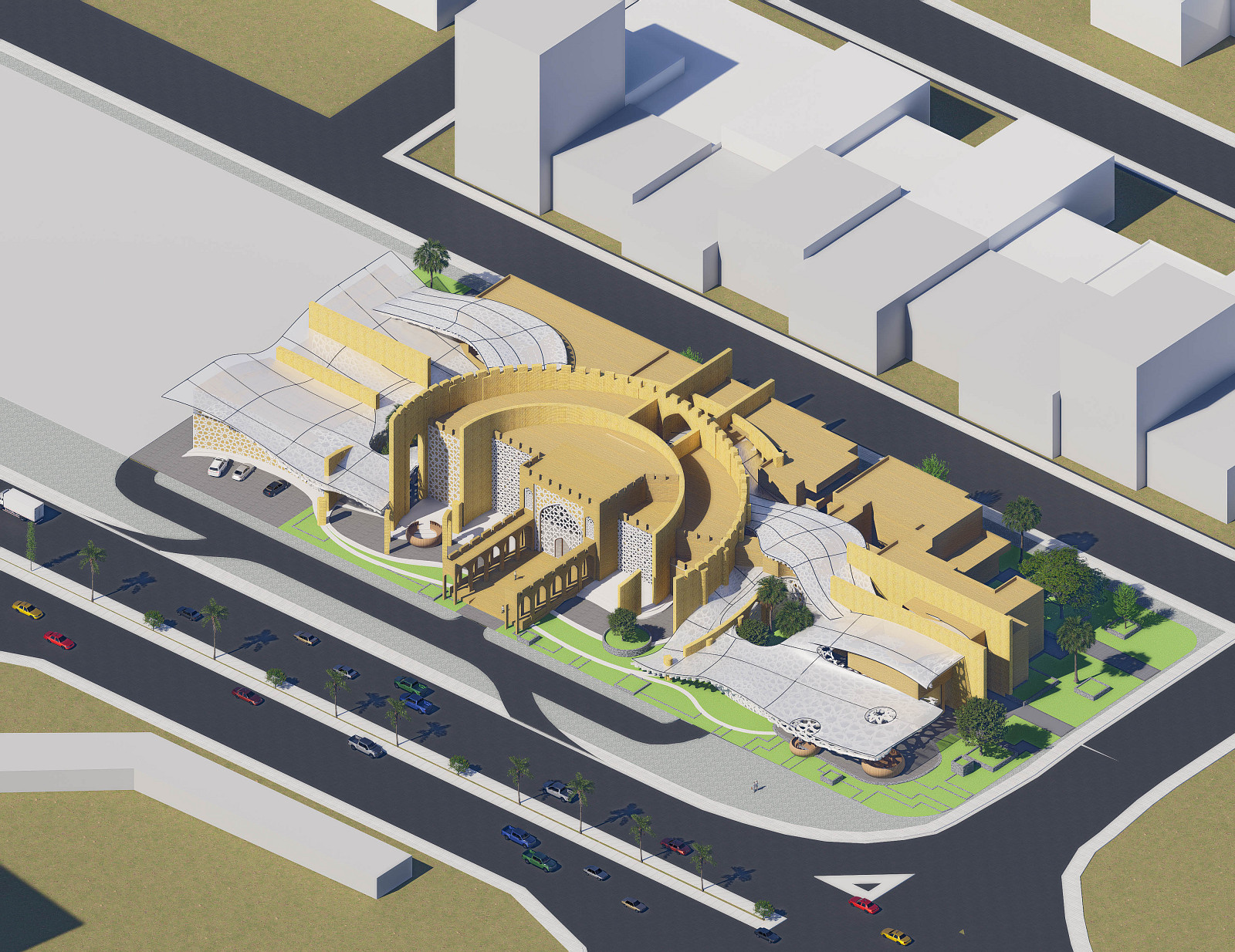
Location: Zayouna – Al-Shaab Stadium Intersection, opposite Le Corbusier Hall
Site Area: 11,200 m²
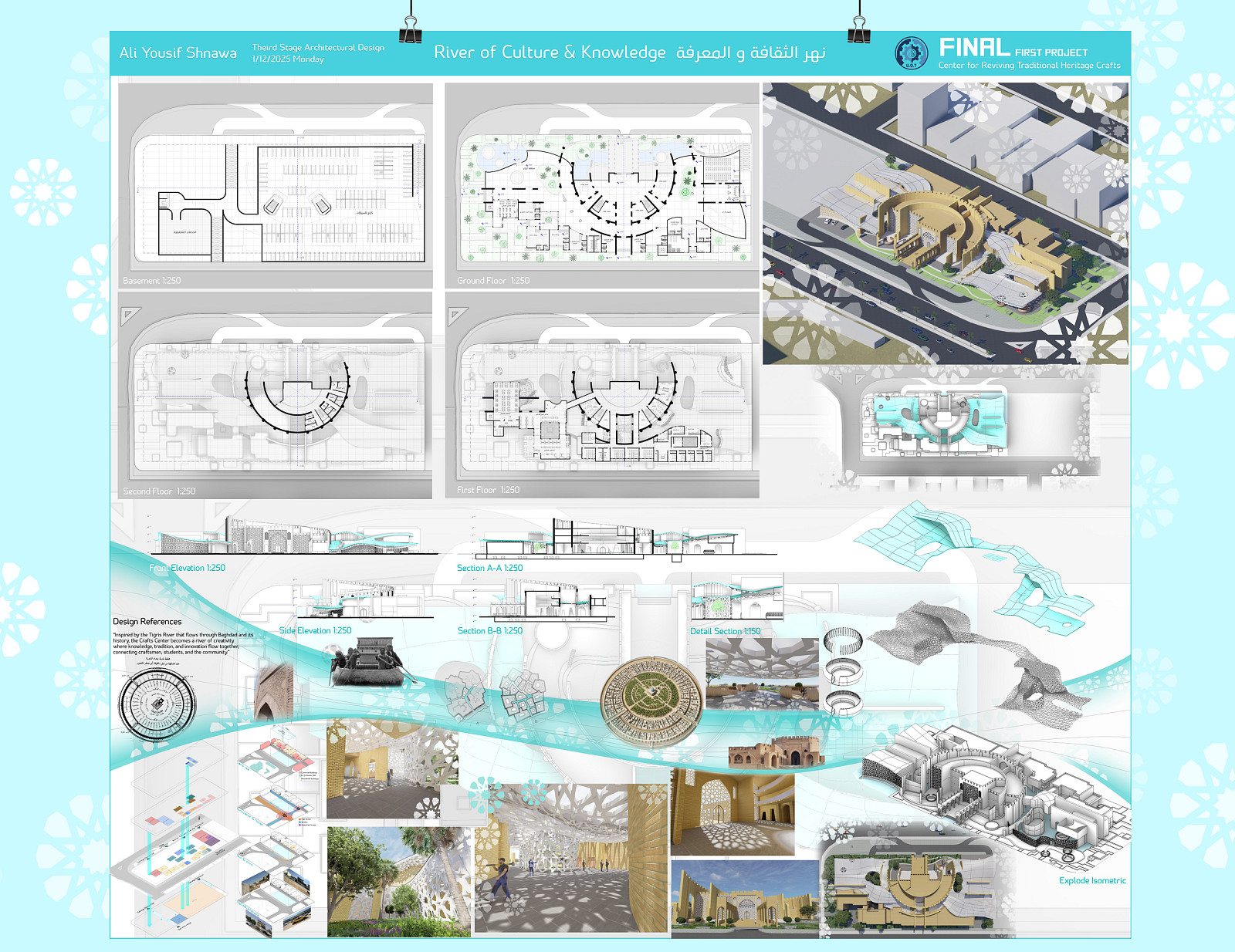
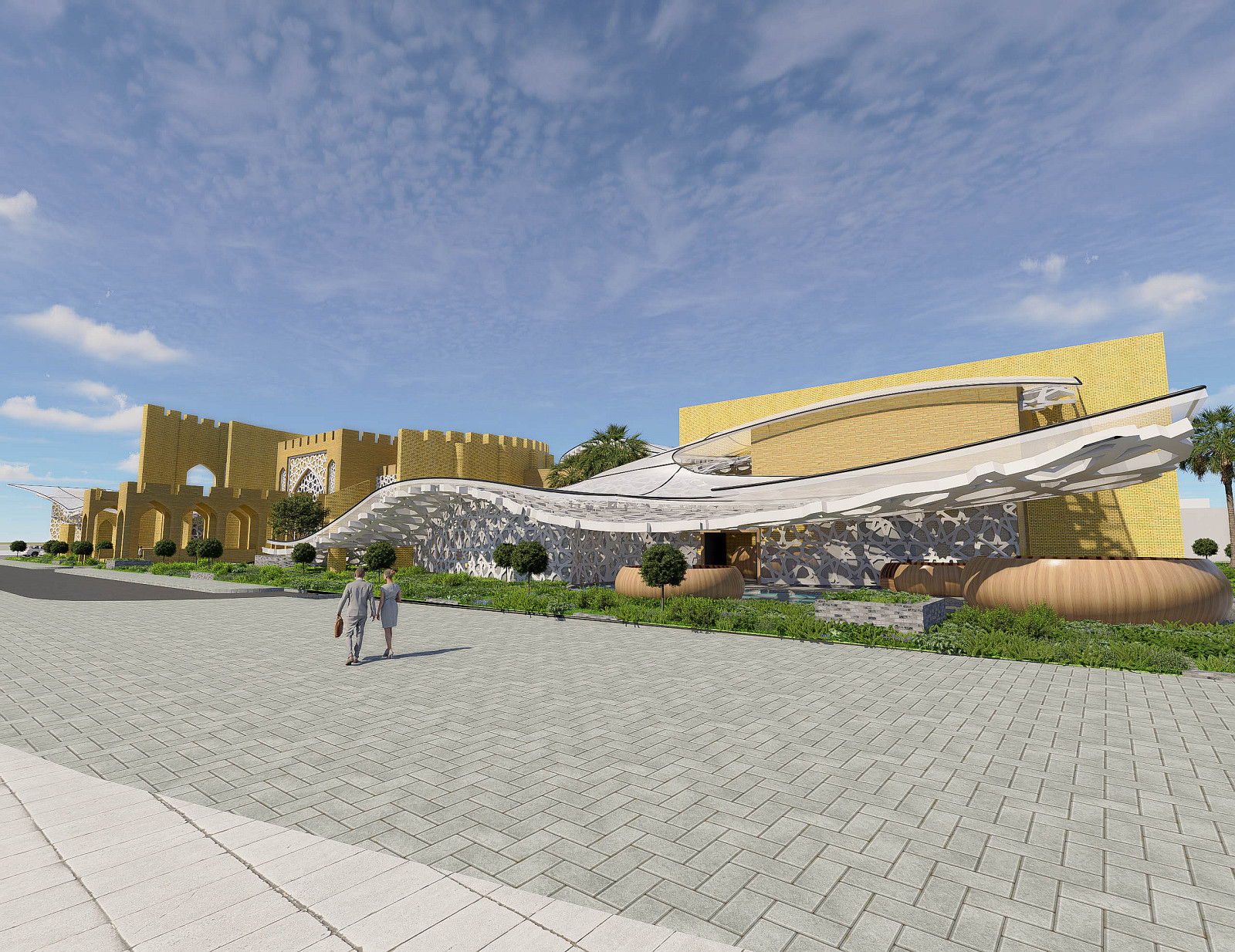
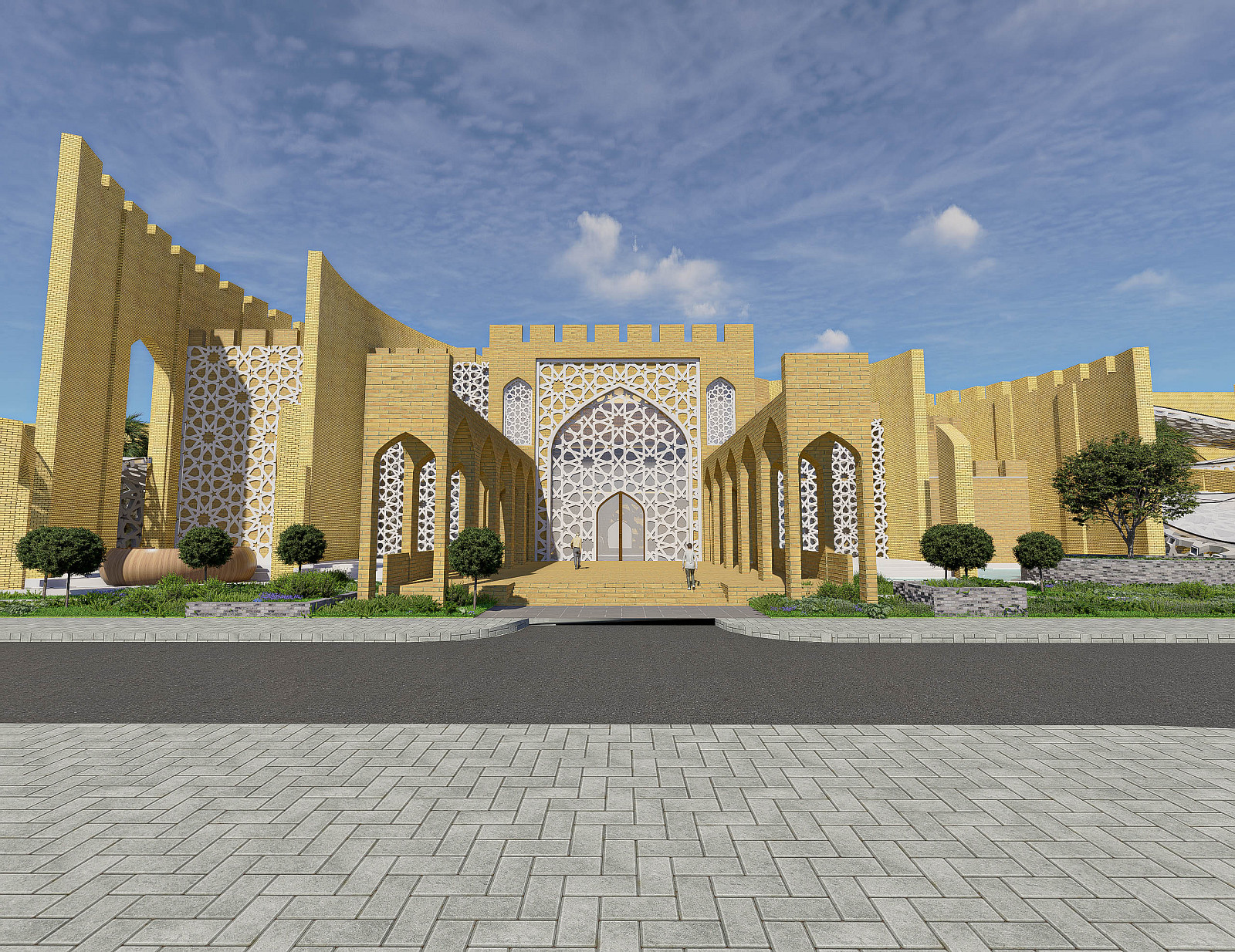
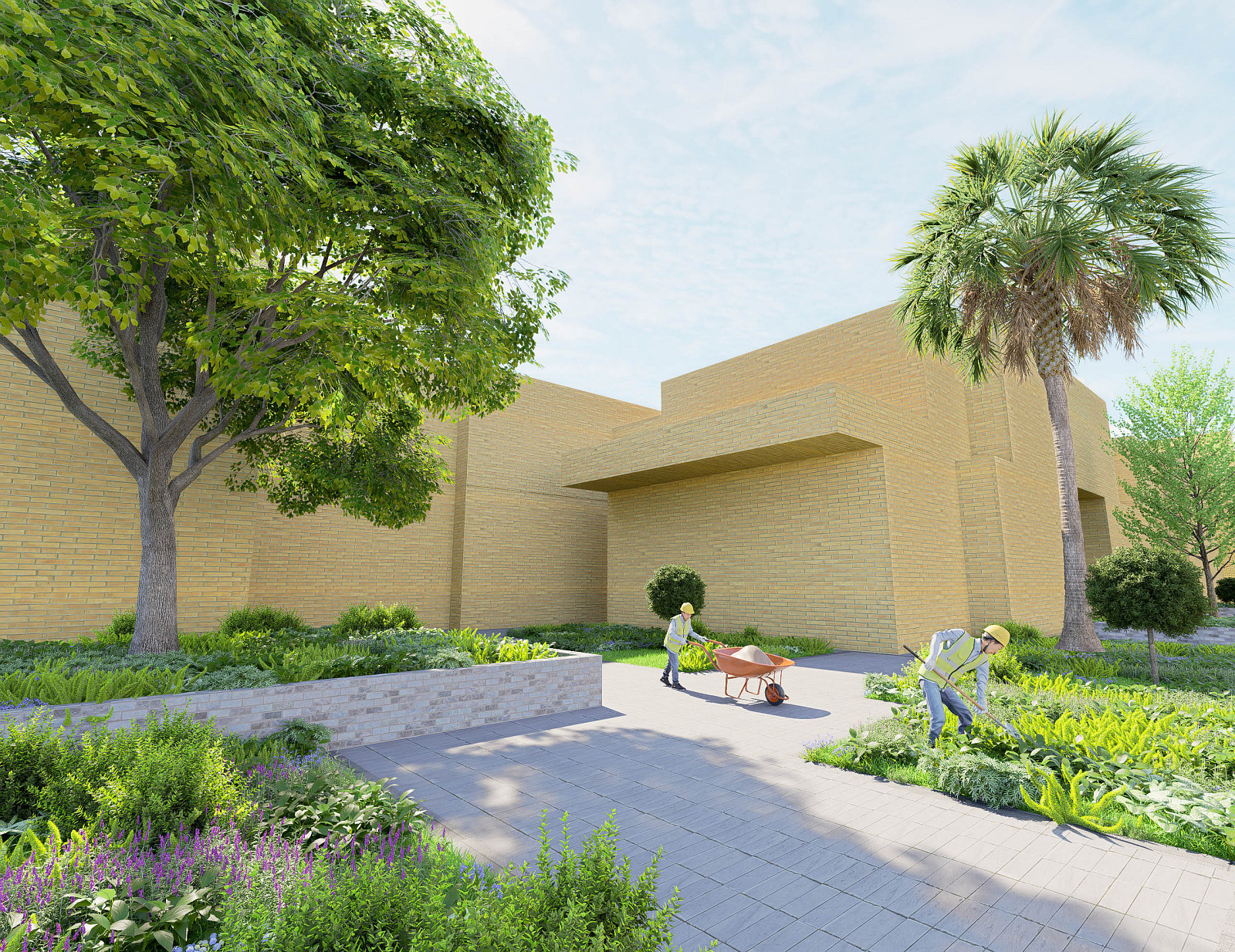
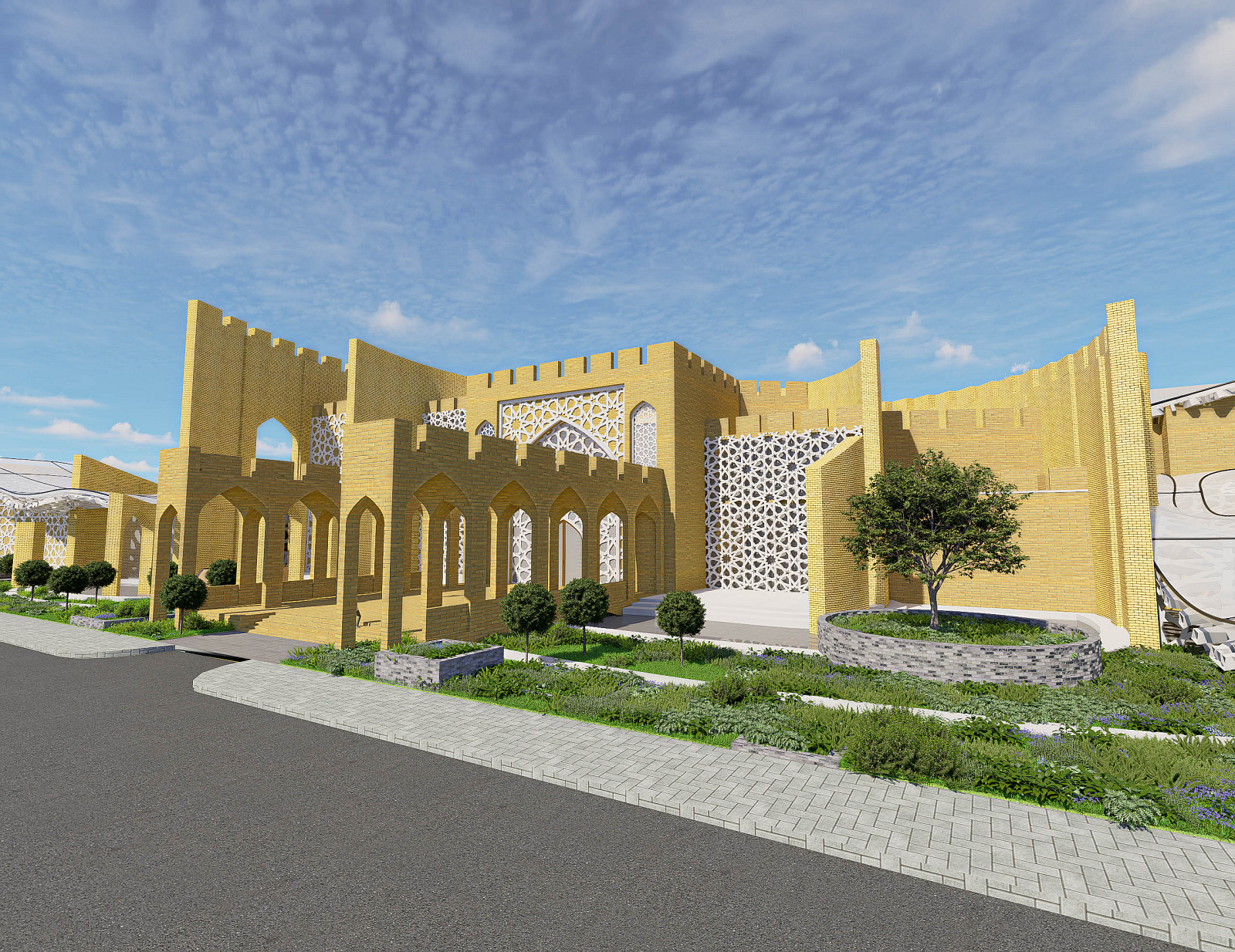
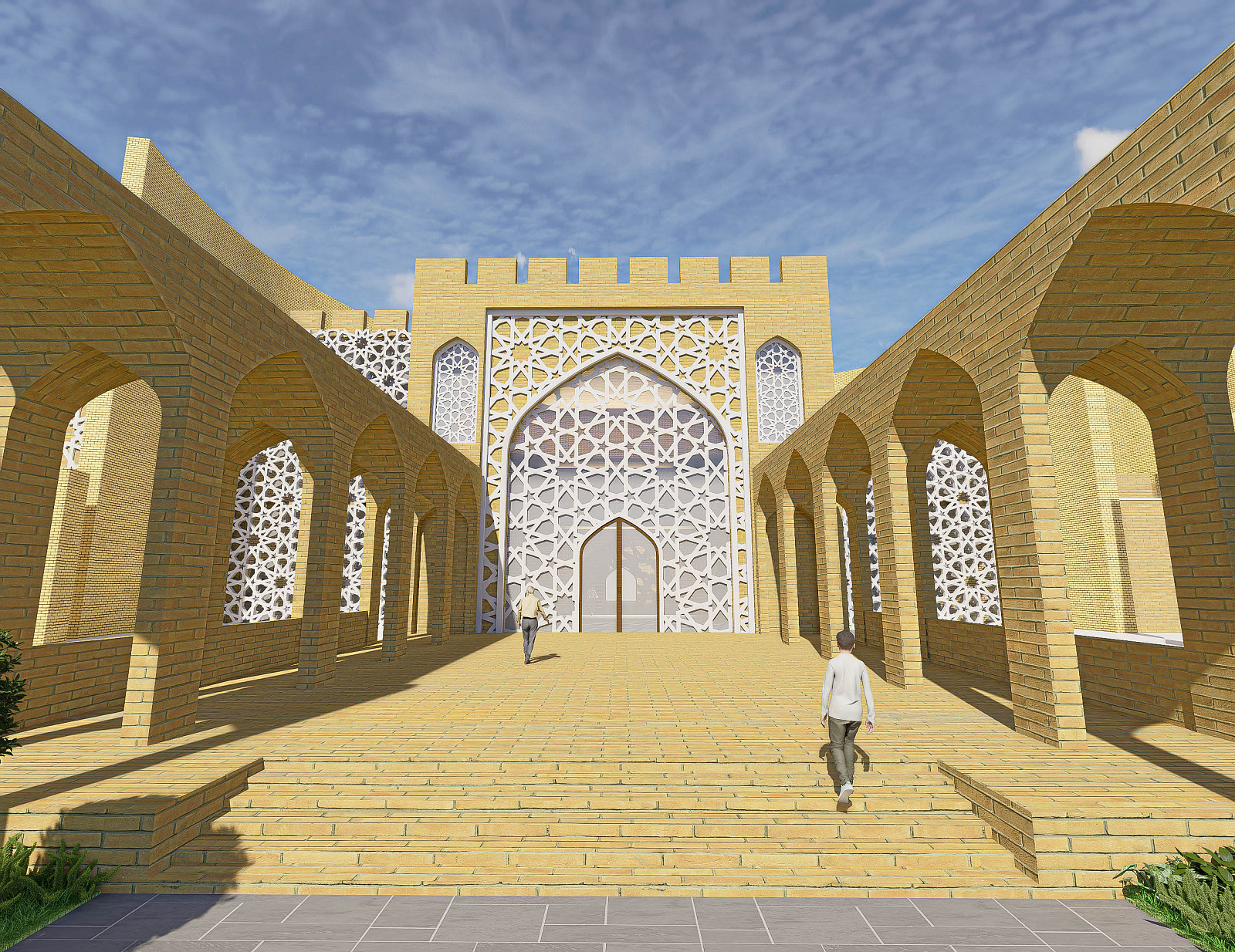
The design of the project is inspired by the concept of the Round City of Baghdad and the traditional crafts that emerged within its urban fabric, in addition to the Tigris River, which has accompanied successive civilizations and formed the foundation of their development along its banks. The project aims to become a scientific and cultural landmark that brings together architectural beauty with educational and sensory experiences, within an integrated and harmonious relationship between the city of Baghdad and the Tigris River.
Project description
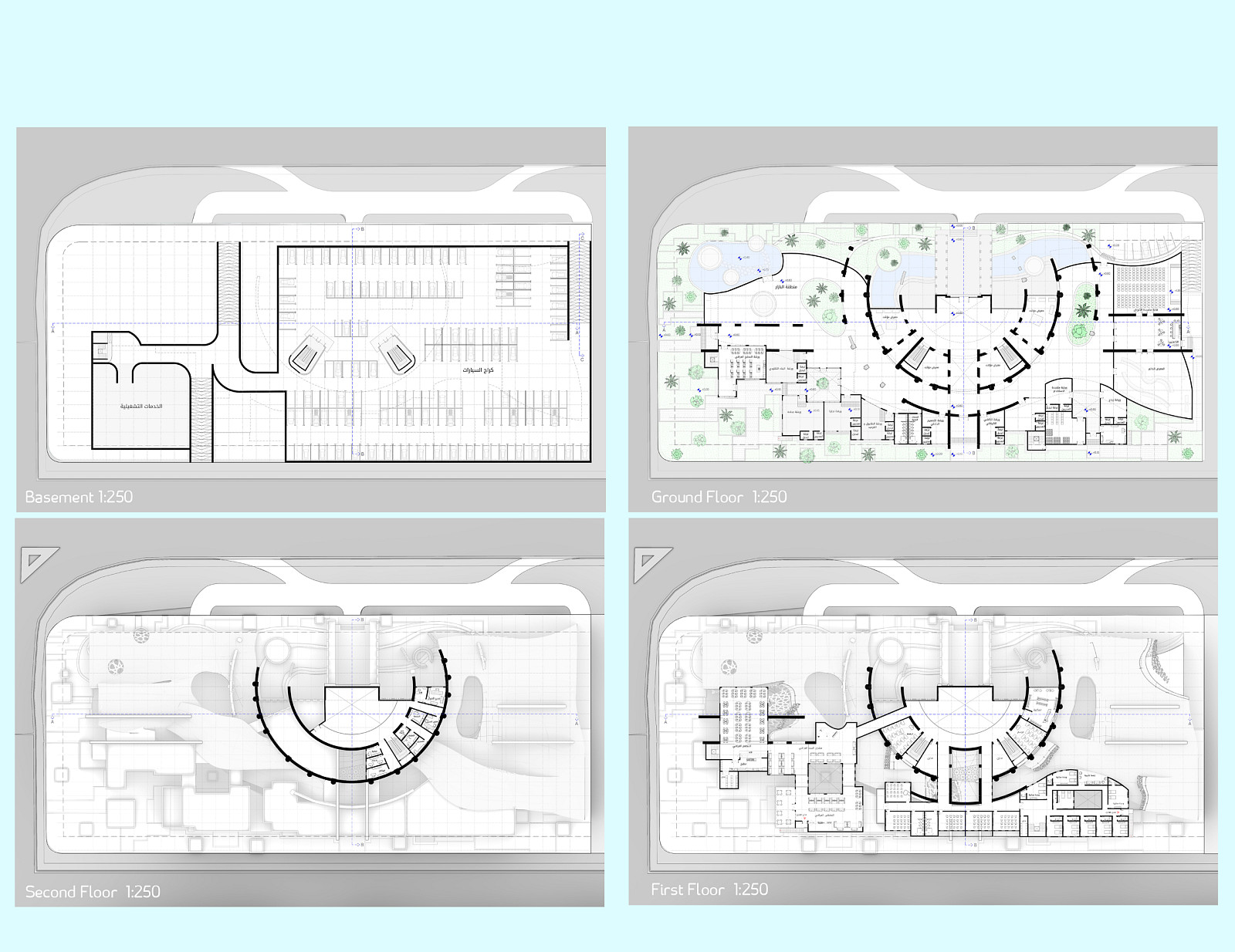
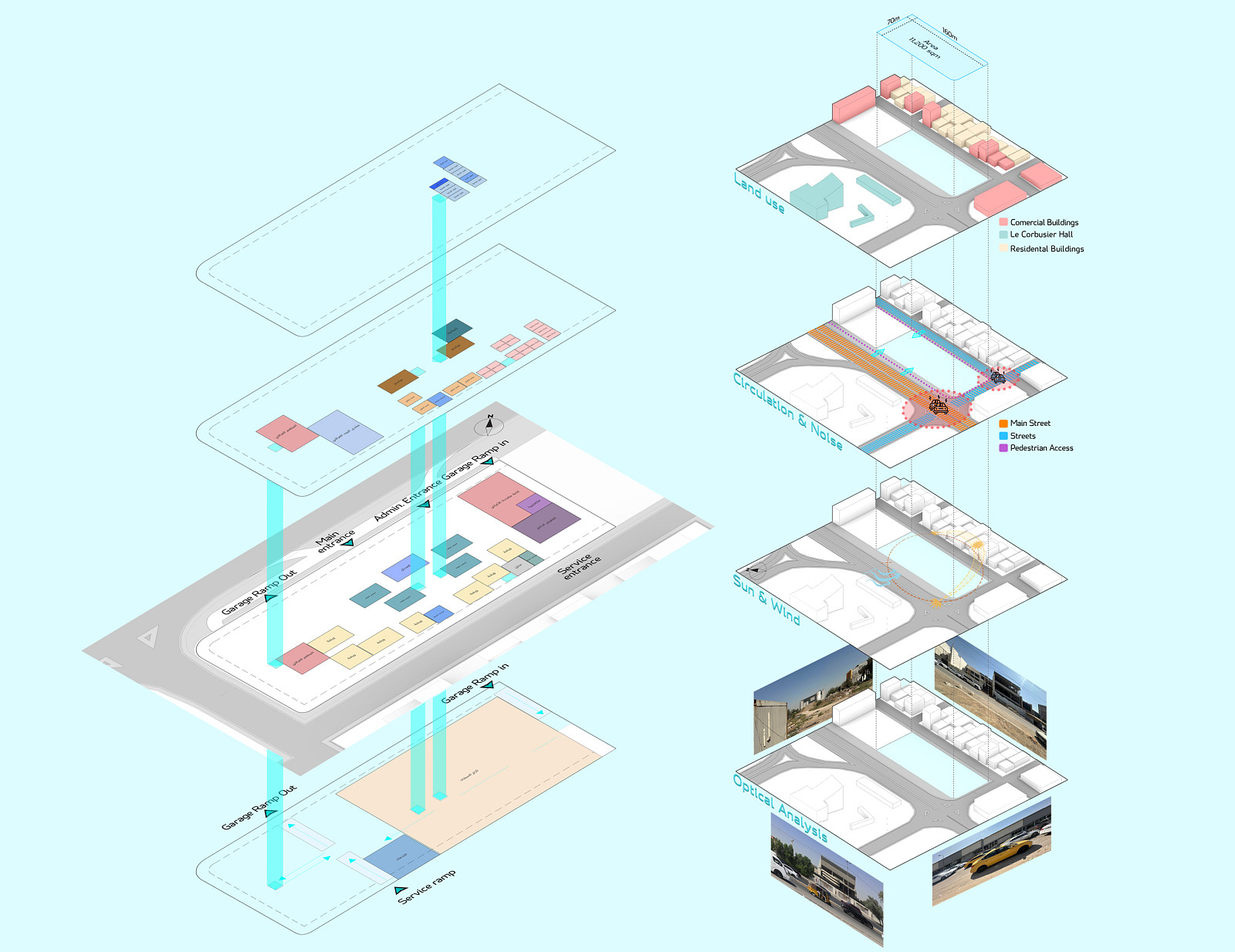
Zoning Concept of the Crafts Center Project
The zoning of the Crafts Center is based on a clear functional hierarchy that separates public activities, craft production, administration, and services, while ensuring smooth circulation and a strong visitor experience.
1. Public Zone
Location: Near the main entrance and primary façade
Function: Welcoming visitors and showcasing crafts
Includes:
Craft exhibition halls
Temporary exhibitions
Public display areas
Reception and lobby spaces
Purpose:
This zone forms the first point of contact for visitors, introducing them to local crafts and cultural heritage in an open and accessible environment.
2. Semi-Public Zone
Location: Directly connected to the public zone
Function: Interaction and learning
Includes:
Educational workshops
Live craft demonstration spaces
Training rooms
Purpose:
To create direct interaction between visitors and craftsmen, transforming the visit from passive observation into an active experience.
3. Private Zone
Location: Deeper within the project, away from visitor circulation
Function: Craft production and professional work
Includes:
Main production workshops
Material storage
Preparation and support spaces
Purpose:
To provide craftsmen with a focused, safe, and efficient working environment, separated from public movement.
4. Administrative Zone
Location: Near the administrative entrance
Function: Management and operation of the center
Includes:
Administrative offices
Meeting rooms
Staff facilities
Purpose:
This zone ensures efficient management while remaining functionally independent from public and production areas.
5. Service Zone
Location: Connected to the service entrance and service ramp
Function: Back-of-house operations
Includes:
Service rooms and storage
Loading and unloading areas
Maintenance and waste management
Parking and garage access
Purpose:
To support the project’s daily operations without interfering with public or craft activities.
6. Circulation and Access
Access types:
Public access (Main Entrance)
Administrative access
Service access
Vehicle and garage circulation (Ramp In / Ramp Out)
Purpose:
The circulation system prevents overlap between visitors, staff, craftsmen, and service vehicles, ensuring clarity, safety, and efficiency.
Technical information
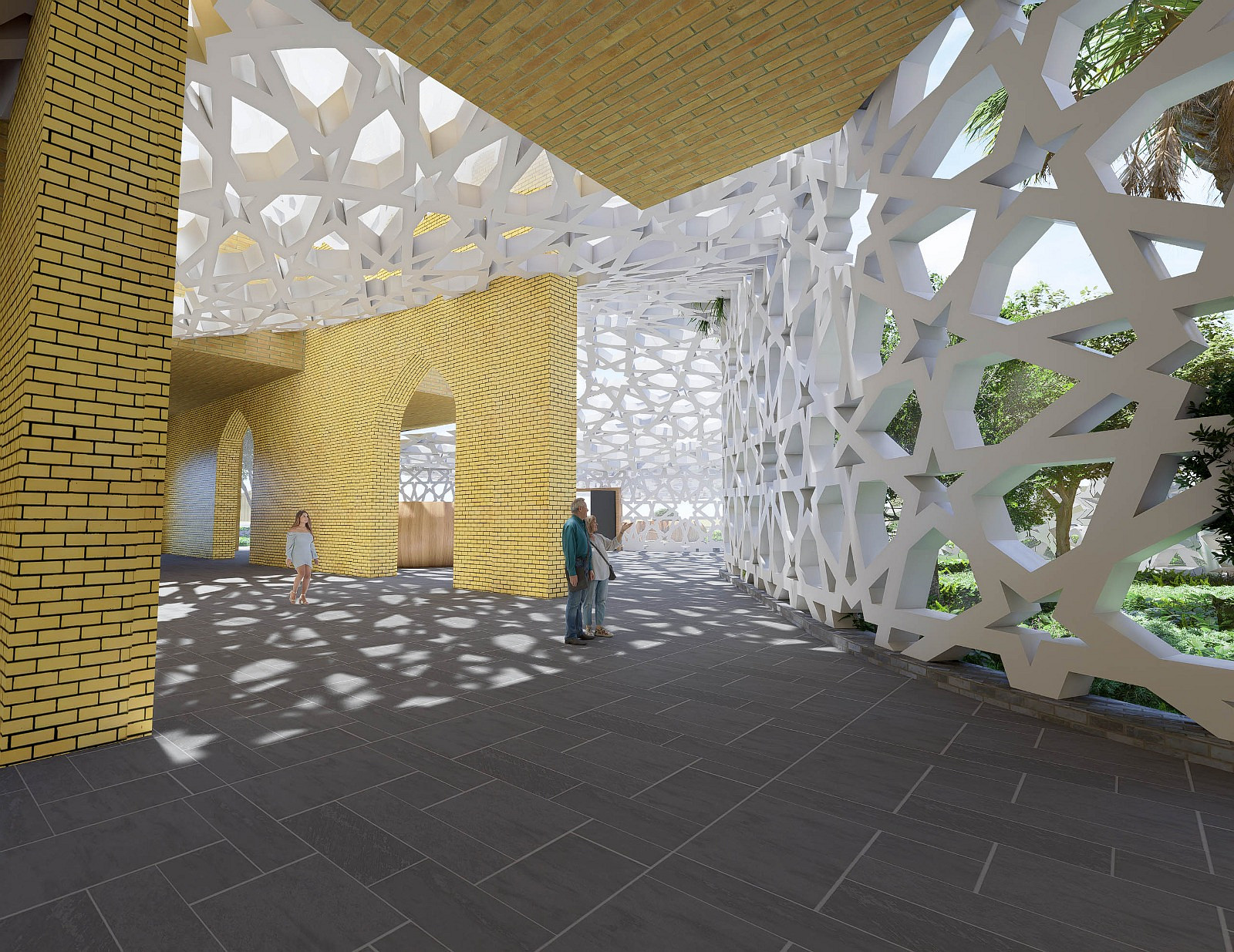
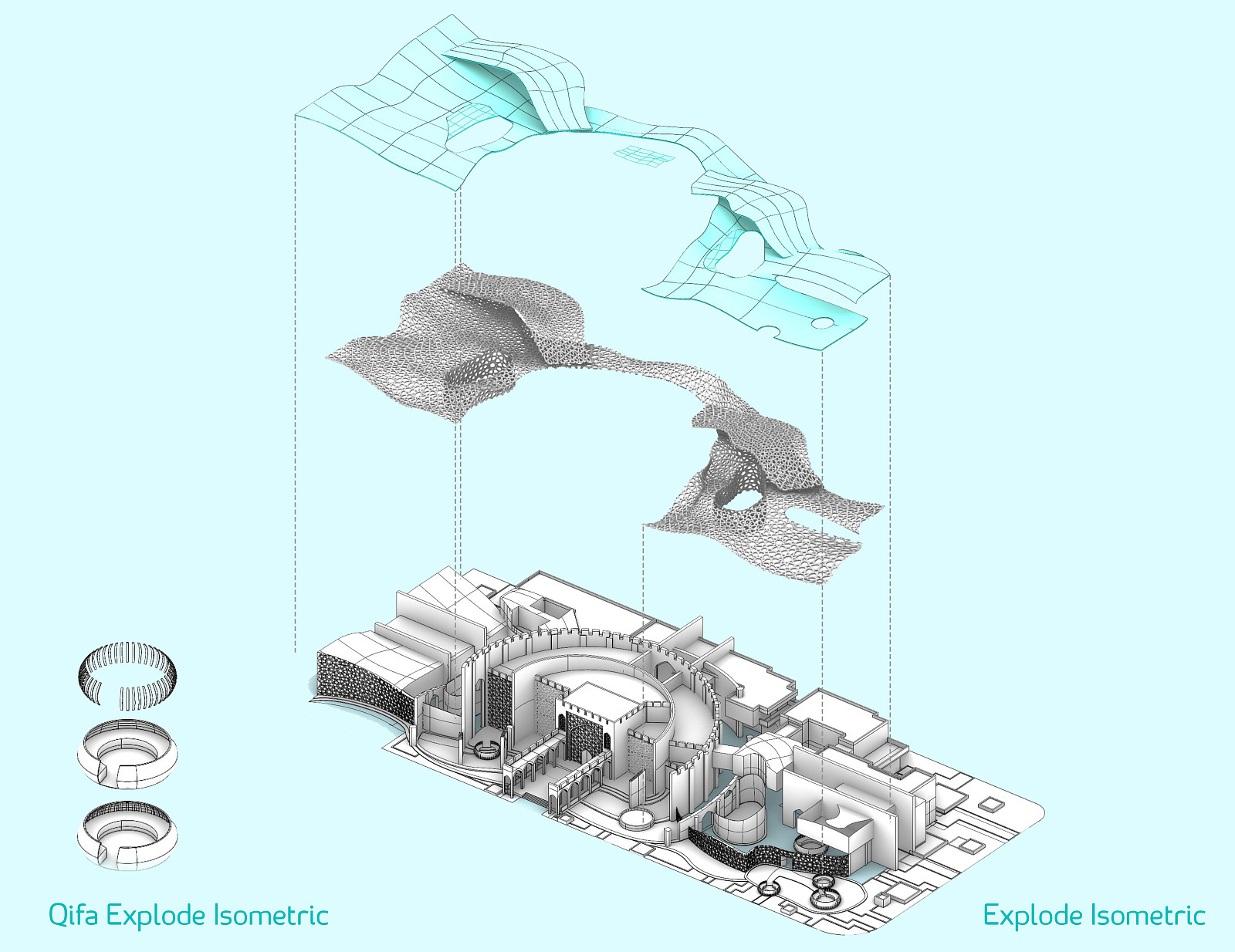
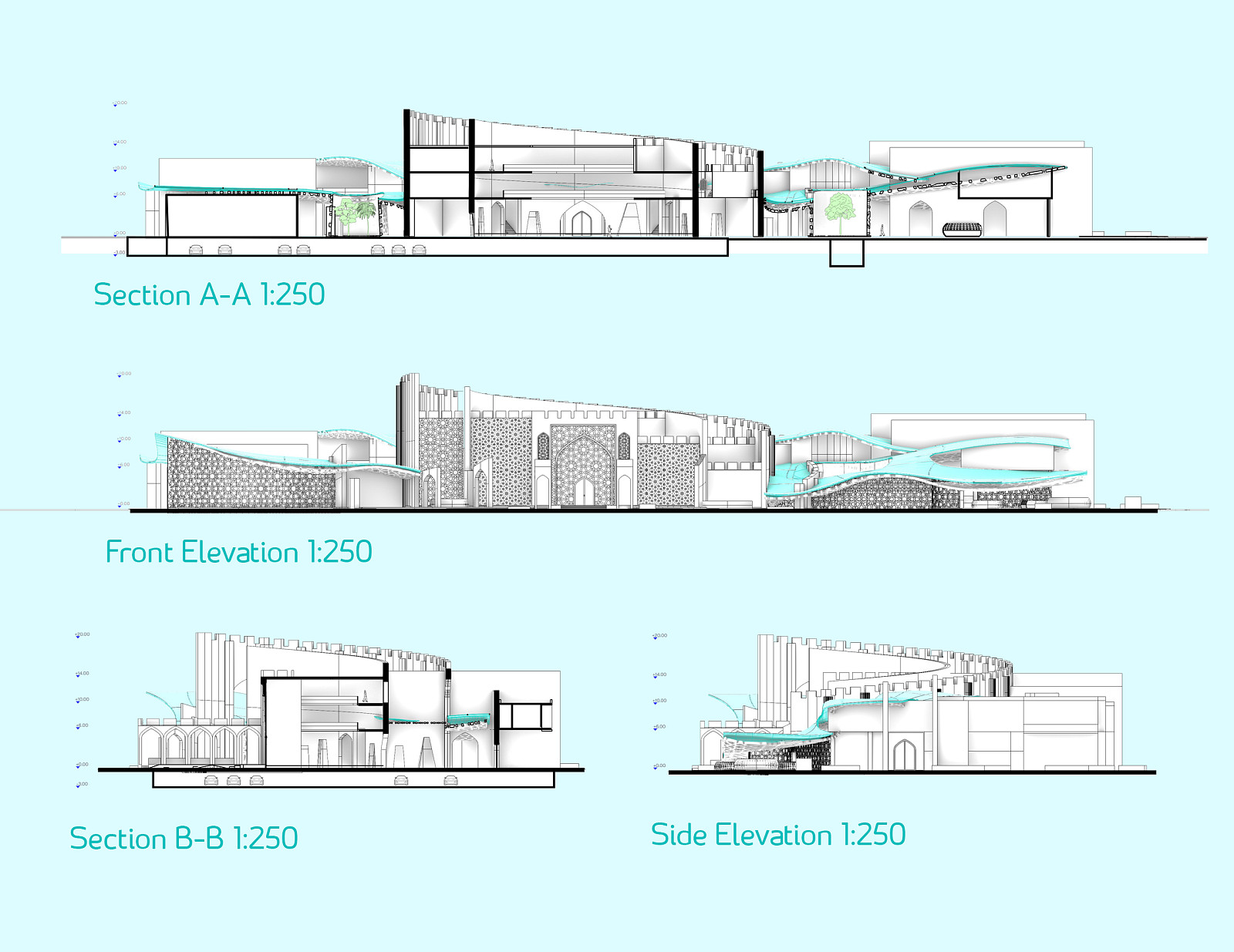
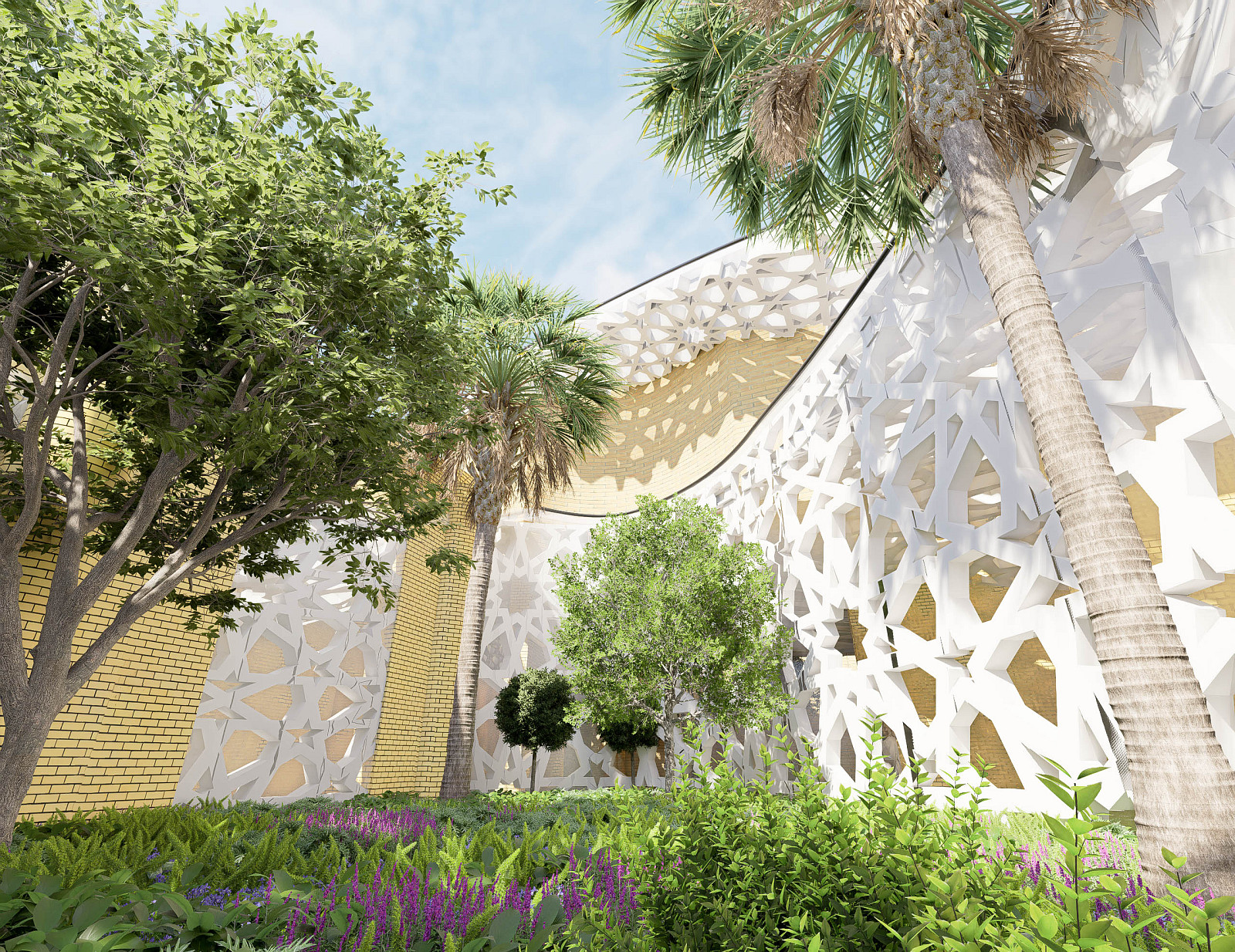
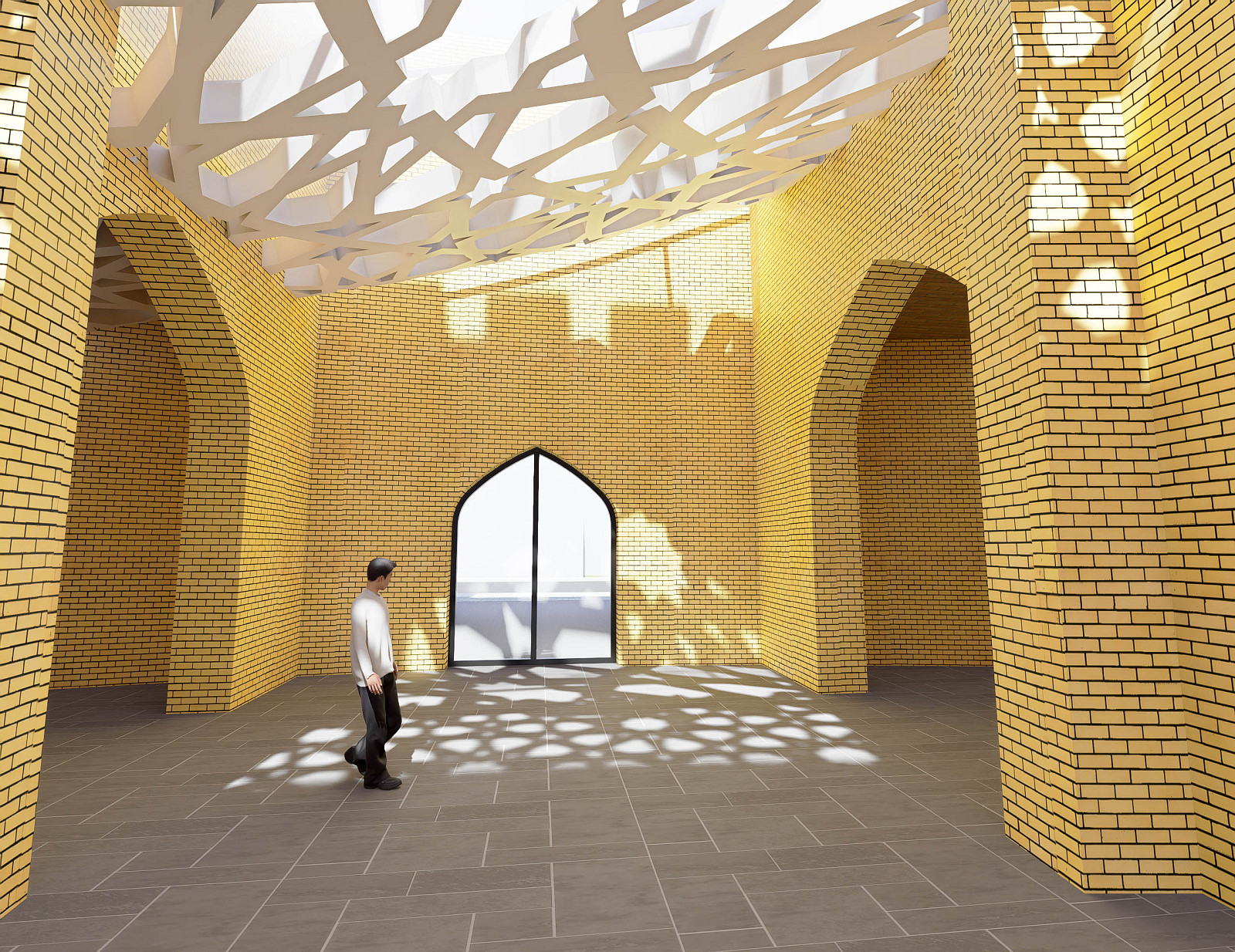
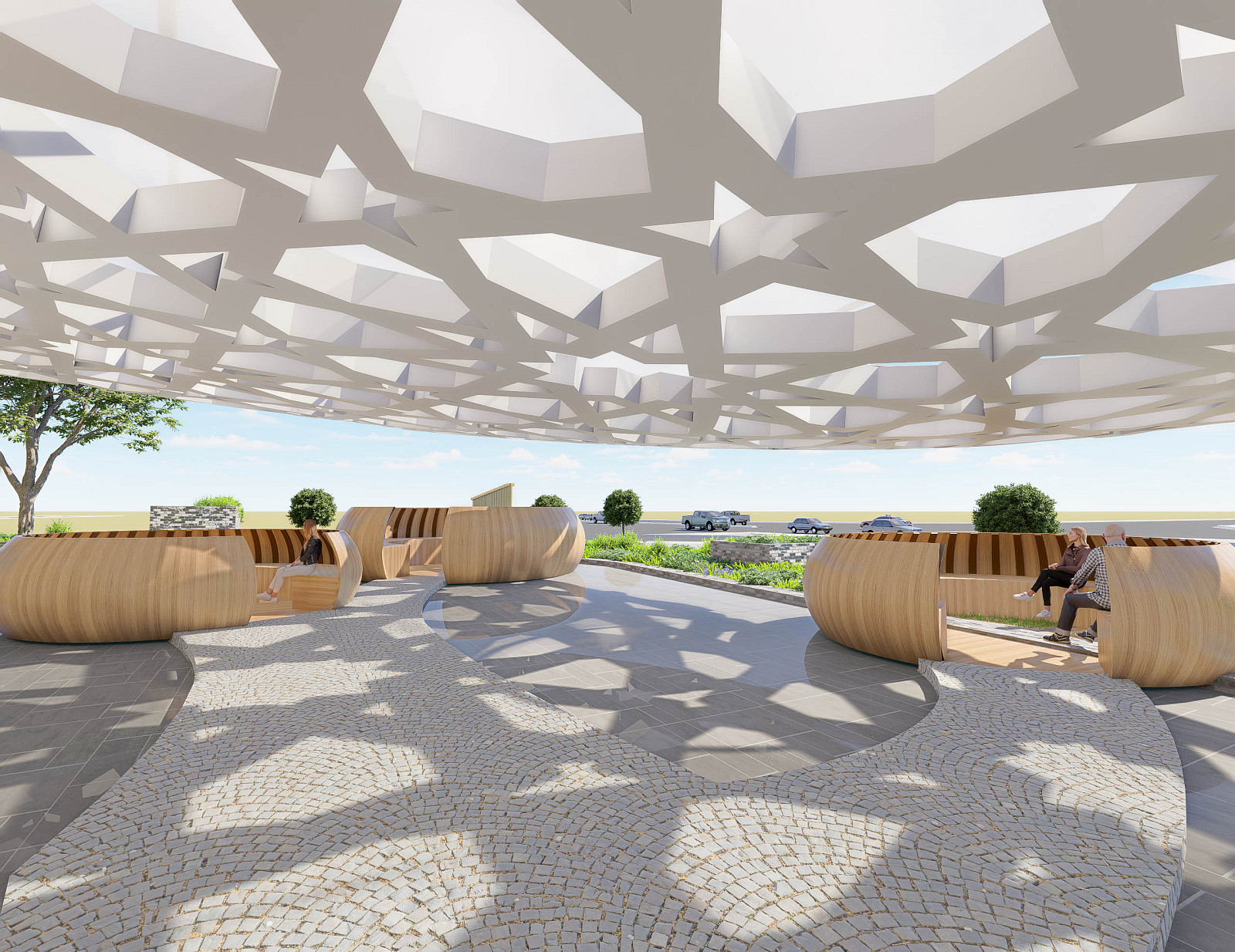
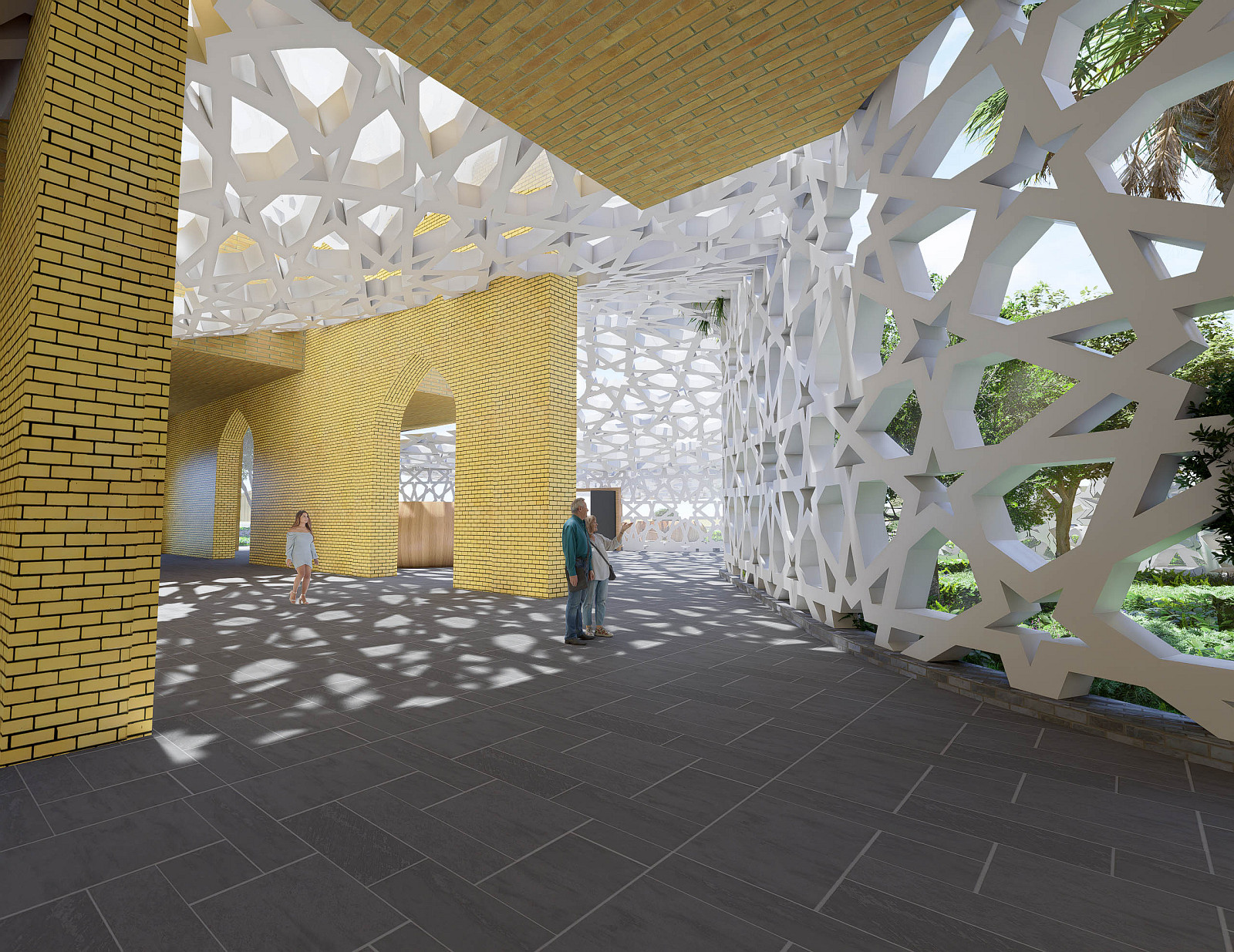
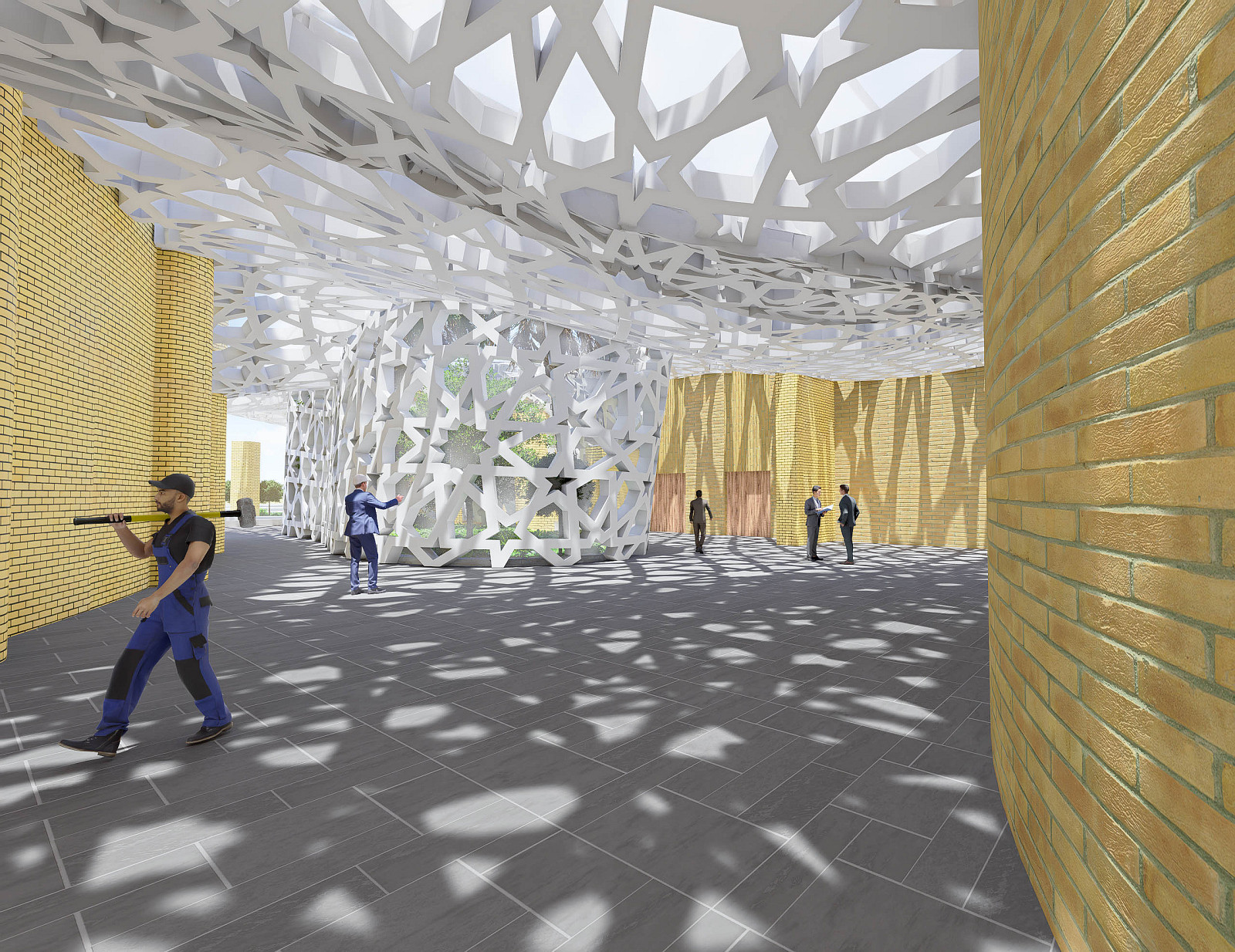
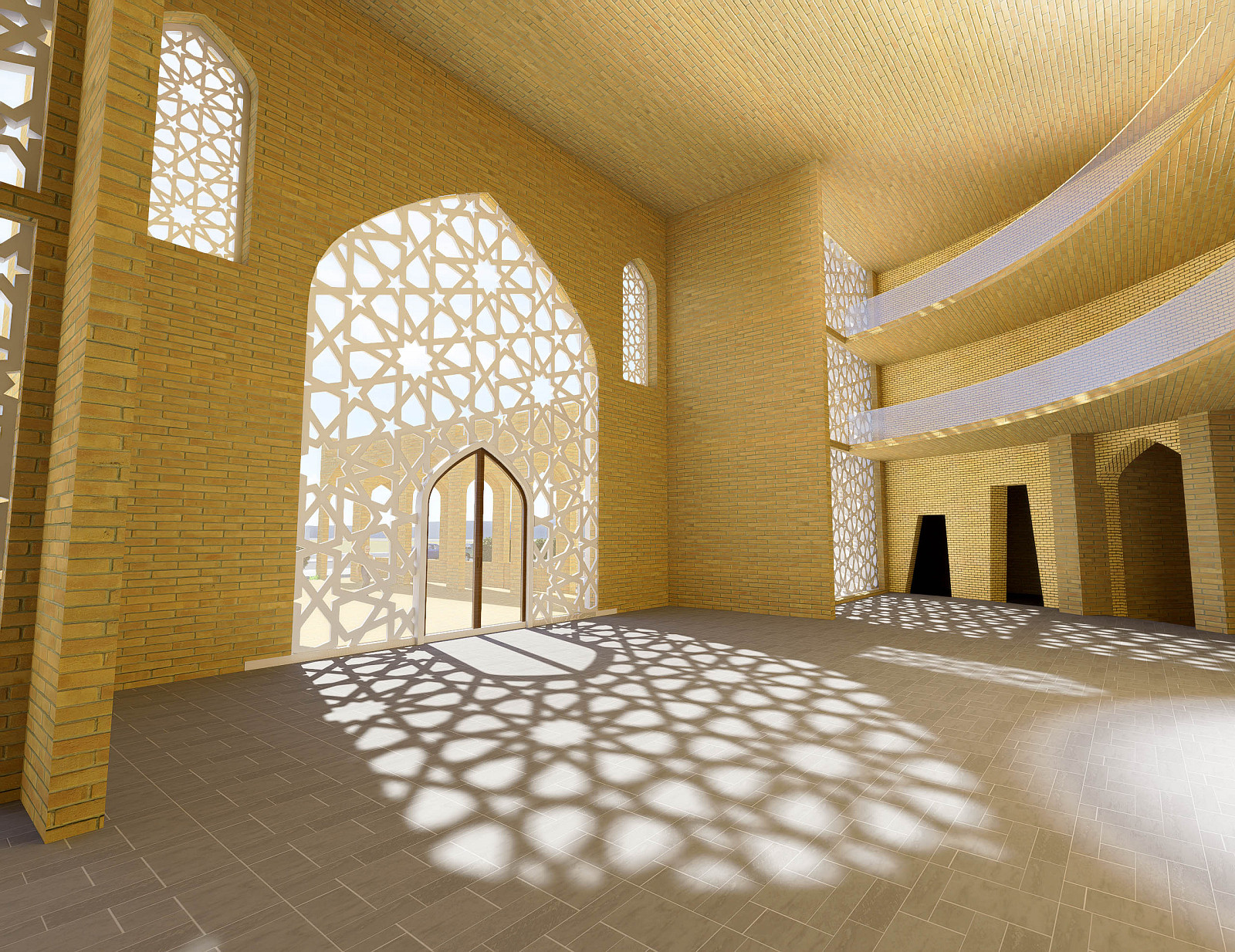
Islamic geometric patterns are employed as an environmental treatment for the roof structures of the spaces connecting the building masses, achieving a balance between light and shade while enhancing the aesthetic quality. Architectural elements are also inspired by the Middle Gate (Bab Al-Wasatani), regarded as the last remaining gate of the Round City of Baghdad. In addition, the walls of Baghdad are abstracted, deconstructed, and reinterpreted architecturally, endowing the project with historical symbolism that expresses the city’s identity and the continuity of its civilization

Copyright © 2026 INSPIRELI | All rights reserved. Use of this website signifies your agreement to the Terms of Use, Privacy Policy, and use of cookies.
