Community Territorial Complex


Project idea
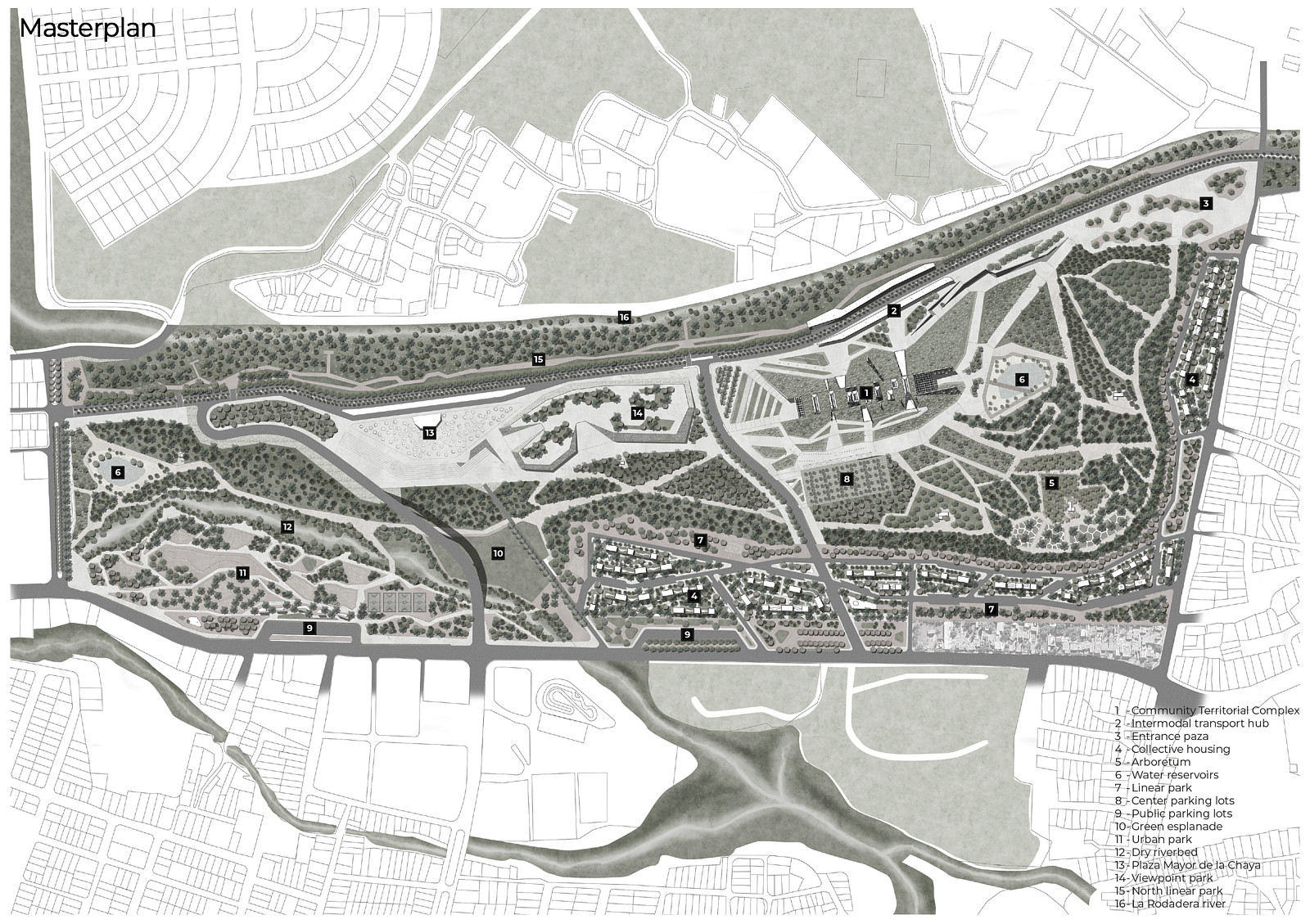
The project emerges as a response to environmental degradation and territorial fragmentation in the northwestern sector of the city of La Rioja. Through the renaturalization of the La Rodadera River and the revaluation of the native landscape, the proposal seeks to restore the relationship between city, nature, and community, transforming the ground plane as a strategy to recover the site’s environmental capacity and generate new urban dynamics.
The project proposes a high-complexity public architectural facility, conceived as an open space for debate, knowledge production, and citizen participation. Rather than understanding architecture as an isolated object, the Community Territorial Complex is conceived as a public forum, where the building acts as a mediator between territory, community, and ongoing urban-environmental transformation processes.
Project description
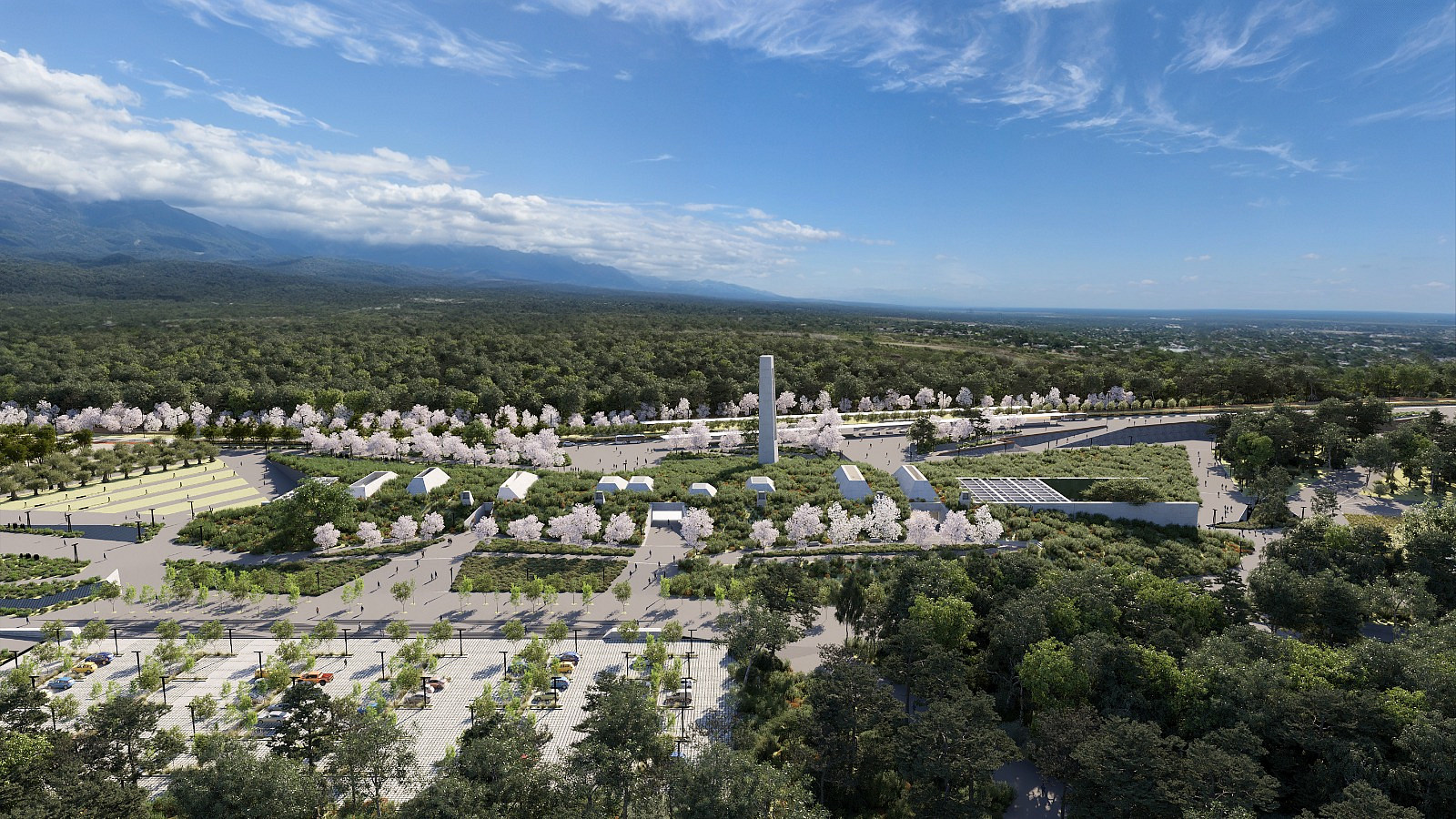
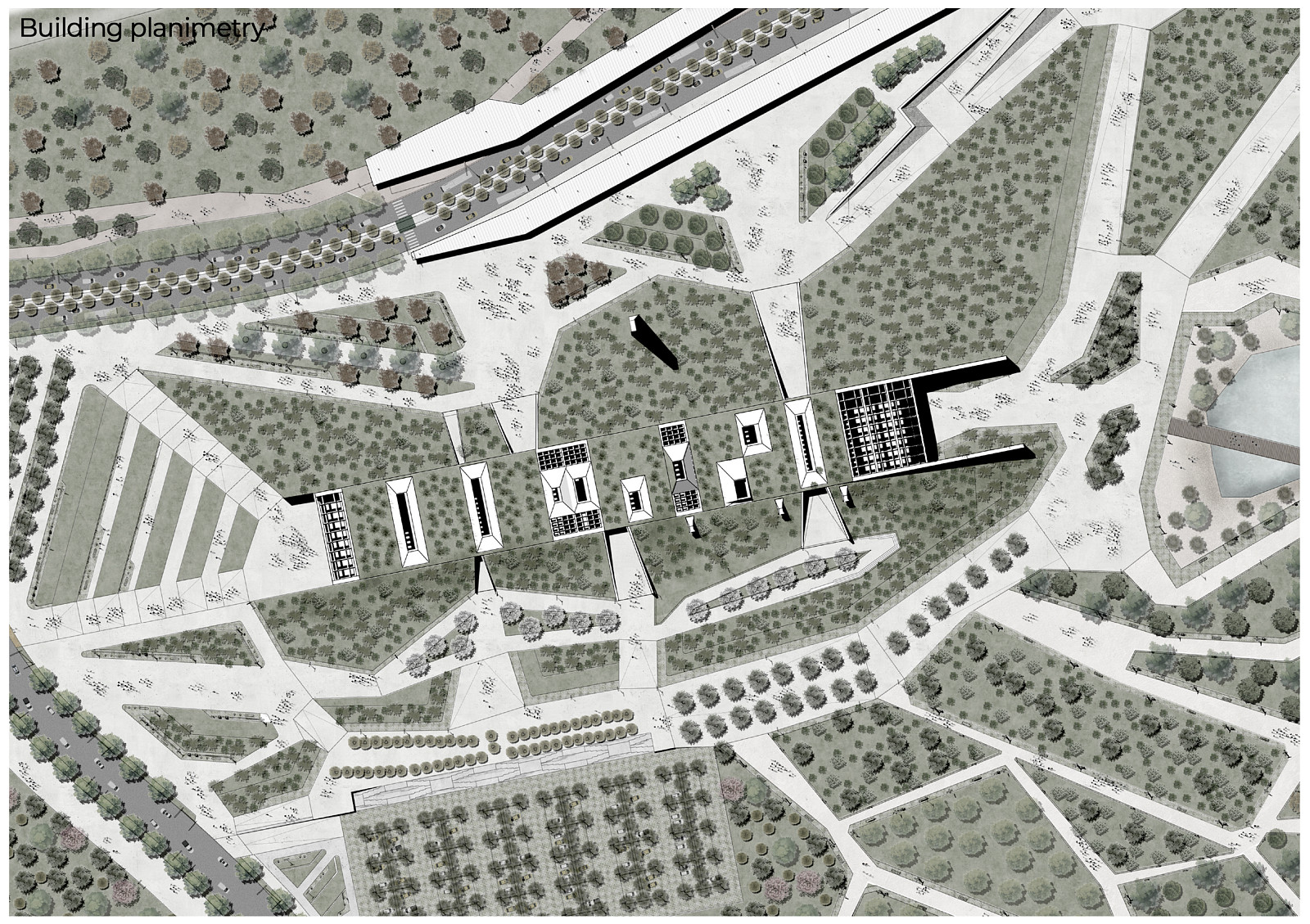
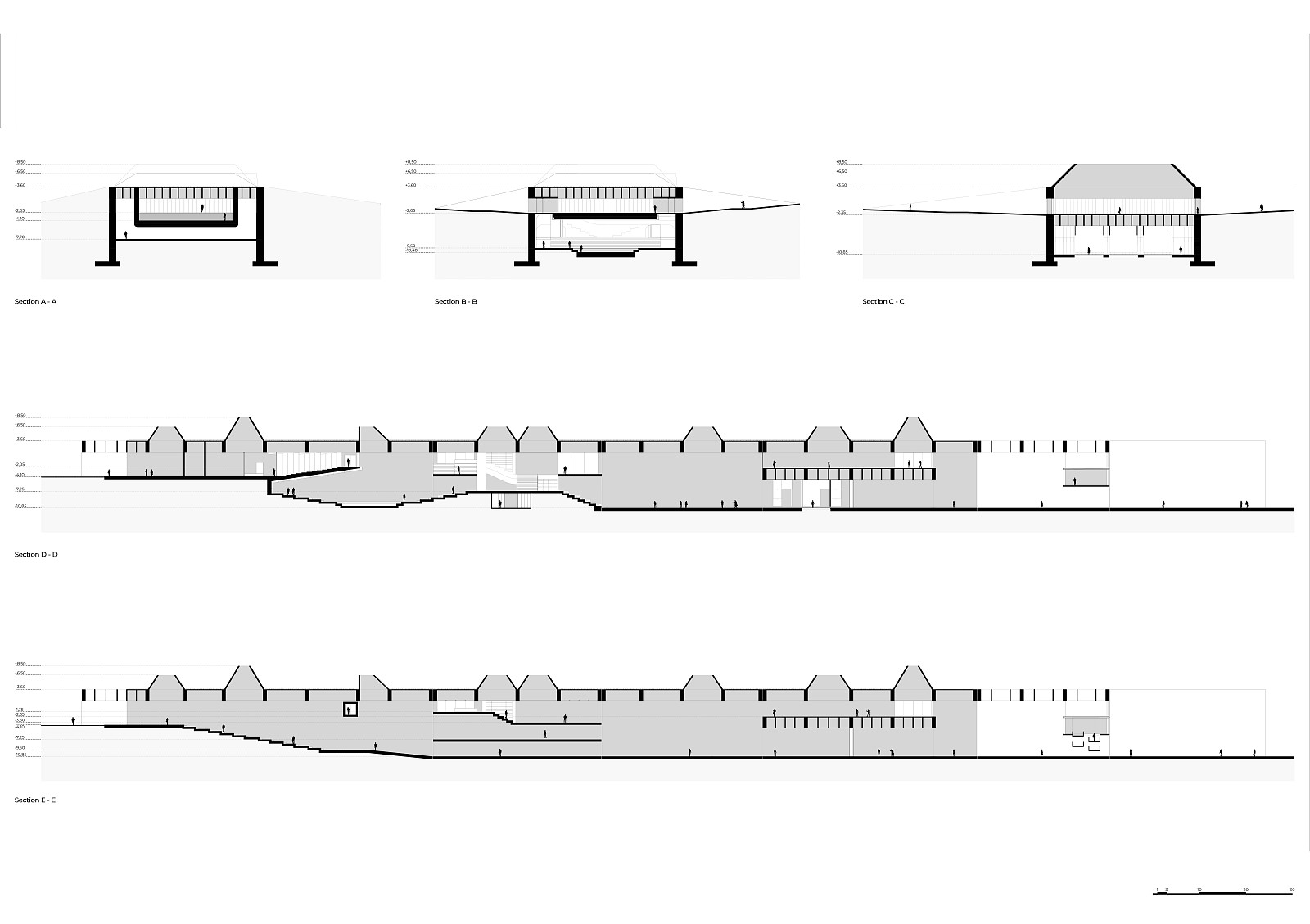
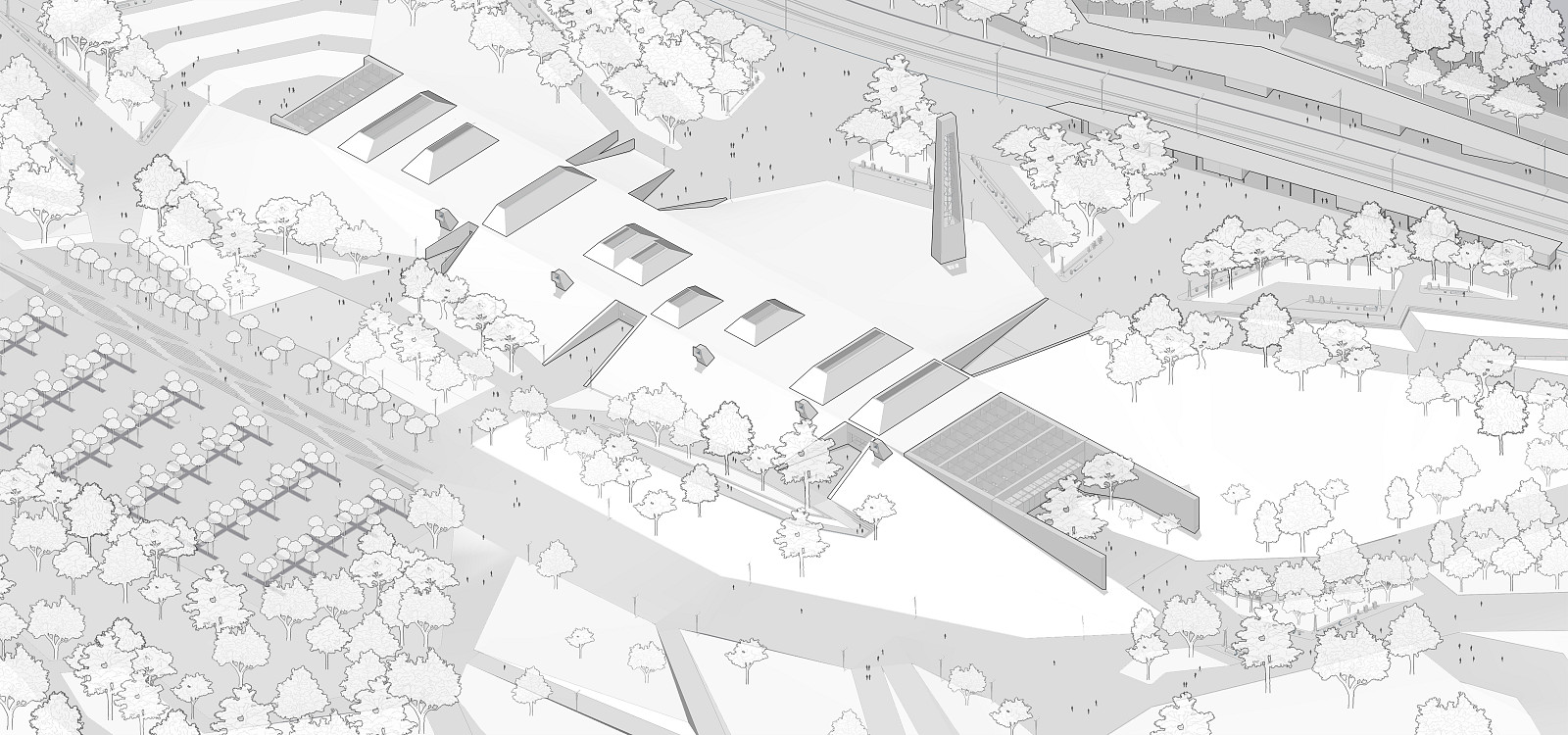
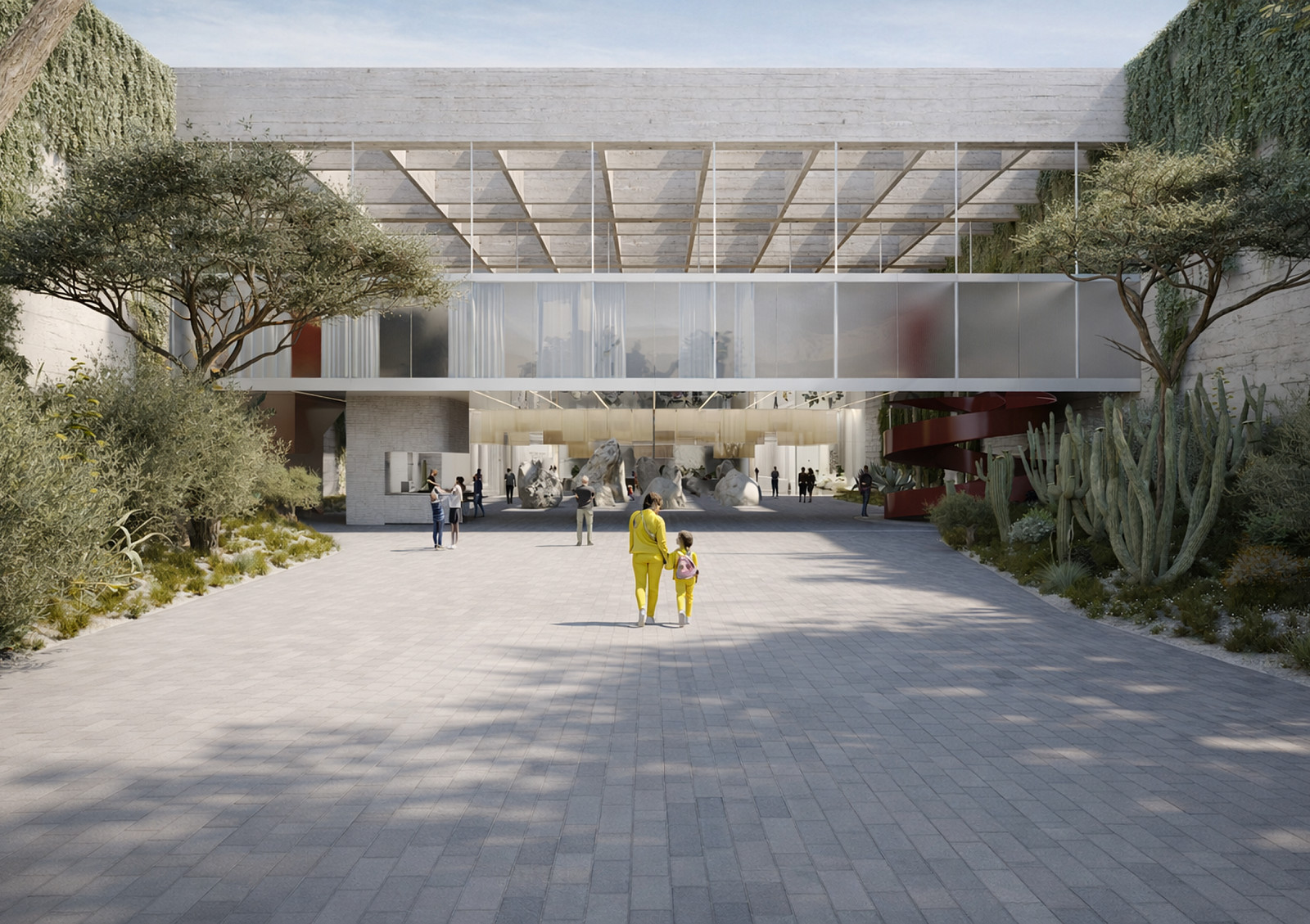
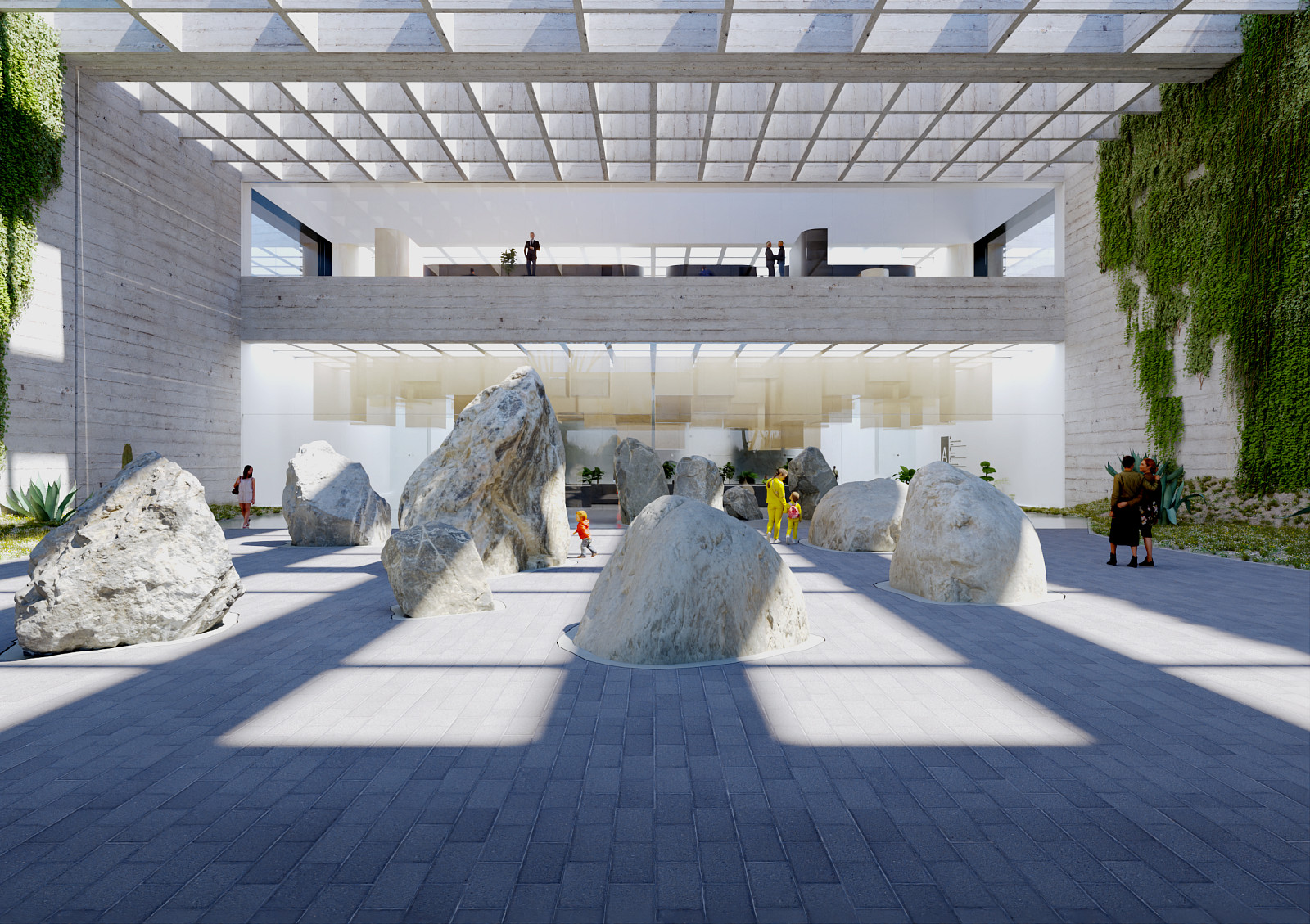
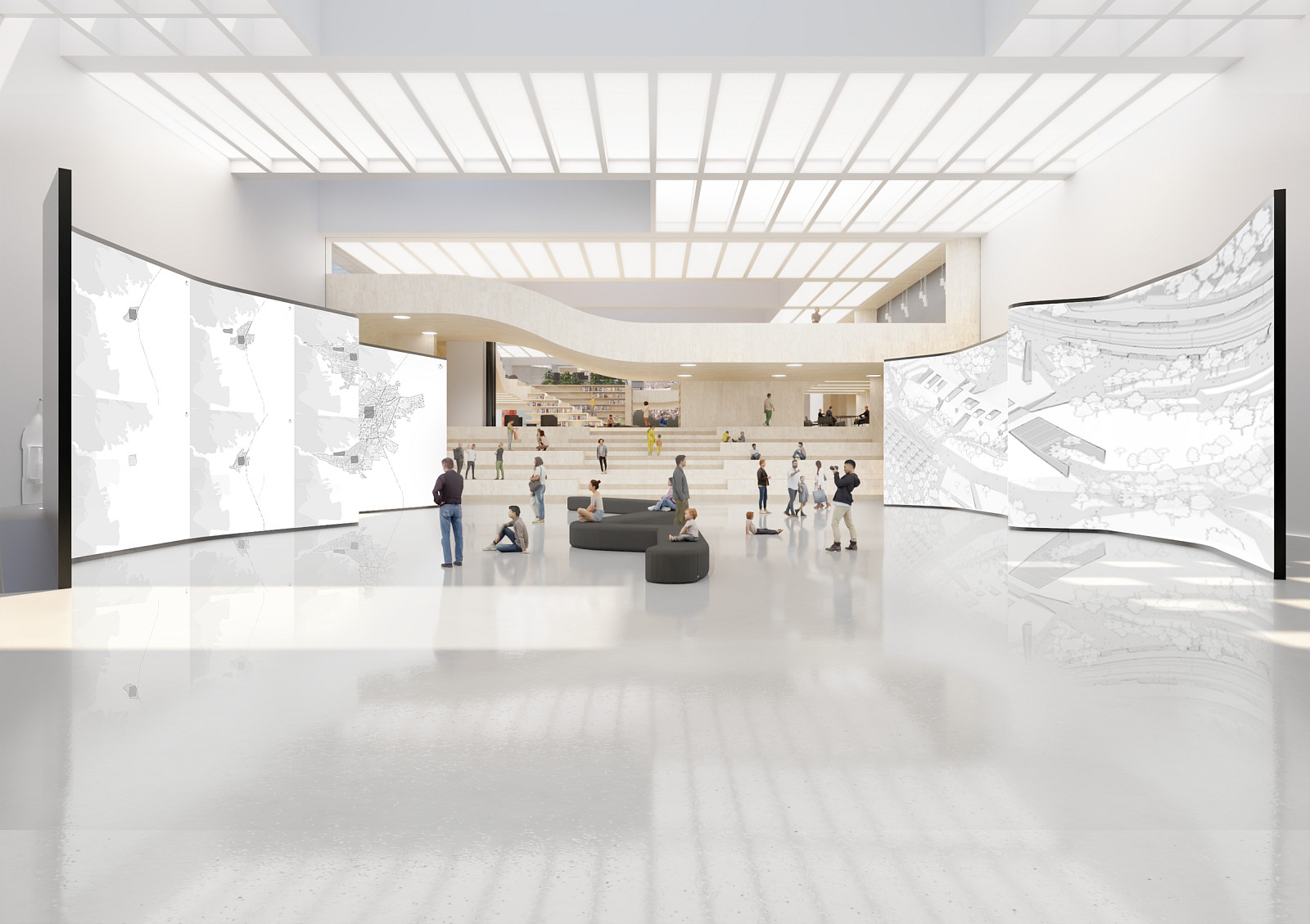
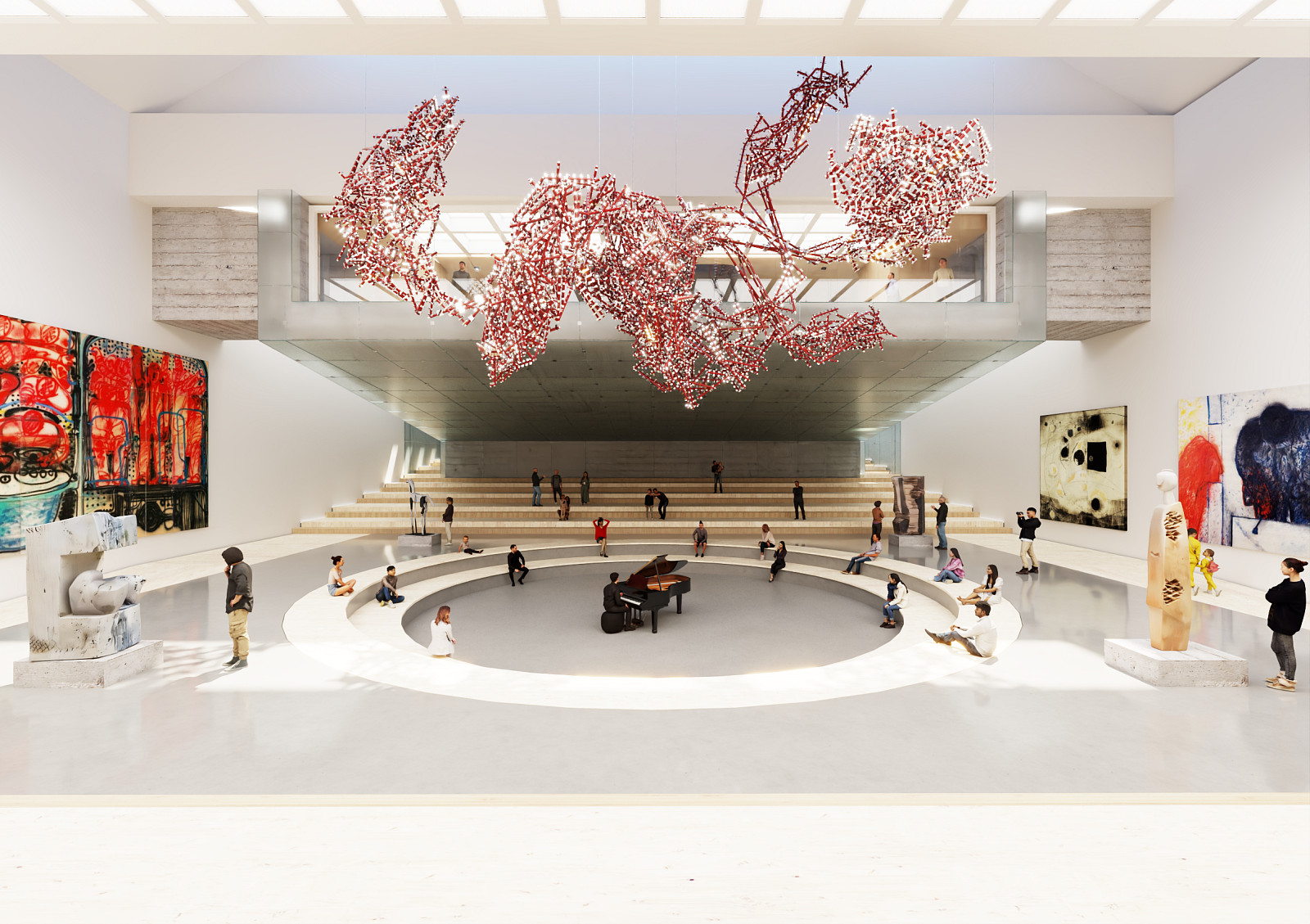
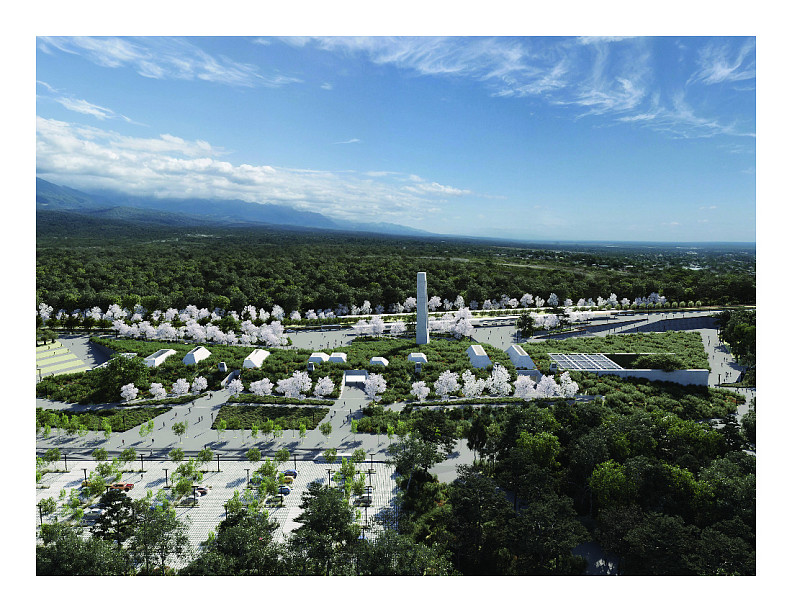
The Community Territorial Complex is located on the exAutodrome site in the city of La Rioja as an architecture that emerges from the ground, organized around a partially sunken lower level that responds to the site’s topographic conditions. This gesture frees the main ground plane and consolidates a large central void that structures the complex and articulates its different programmatic areas.
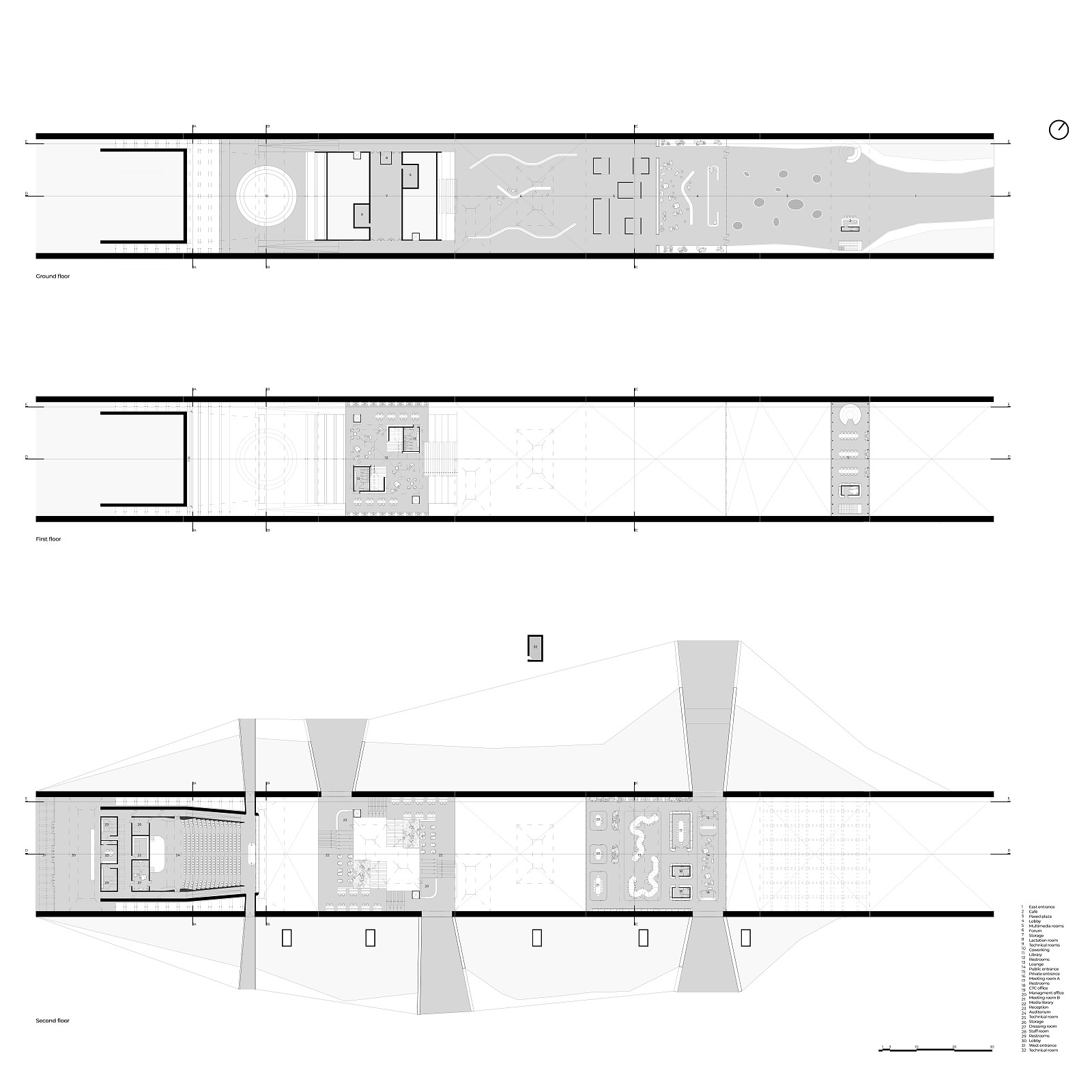
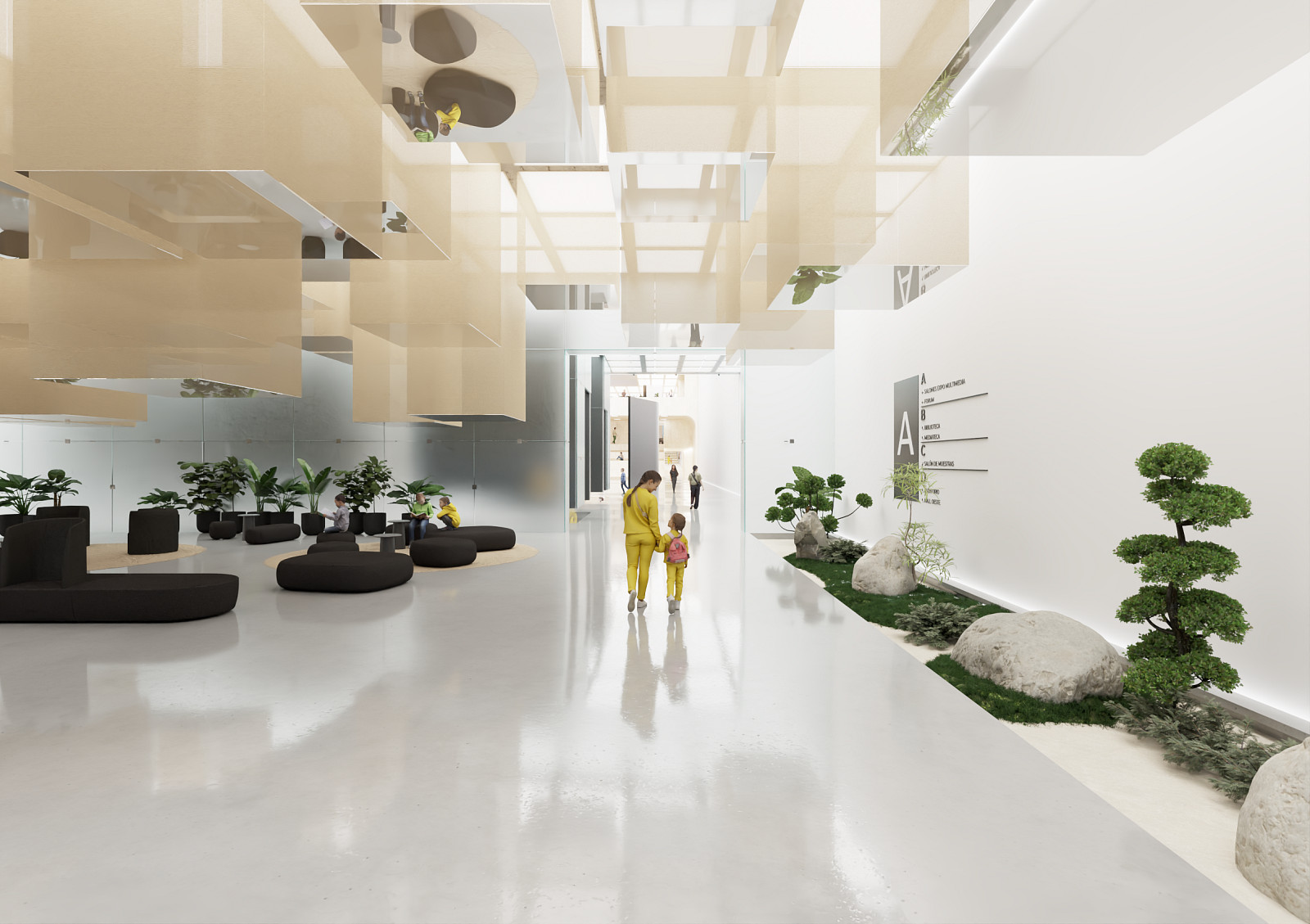
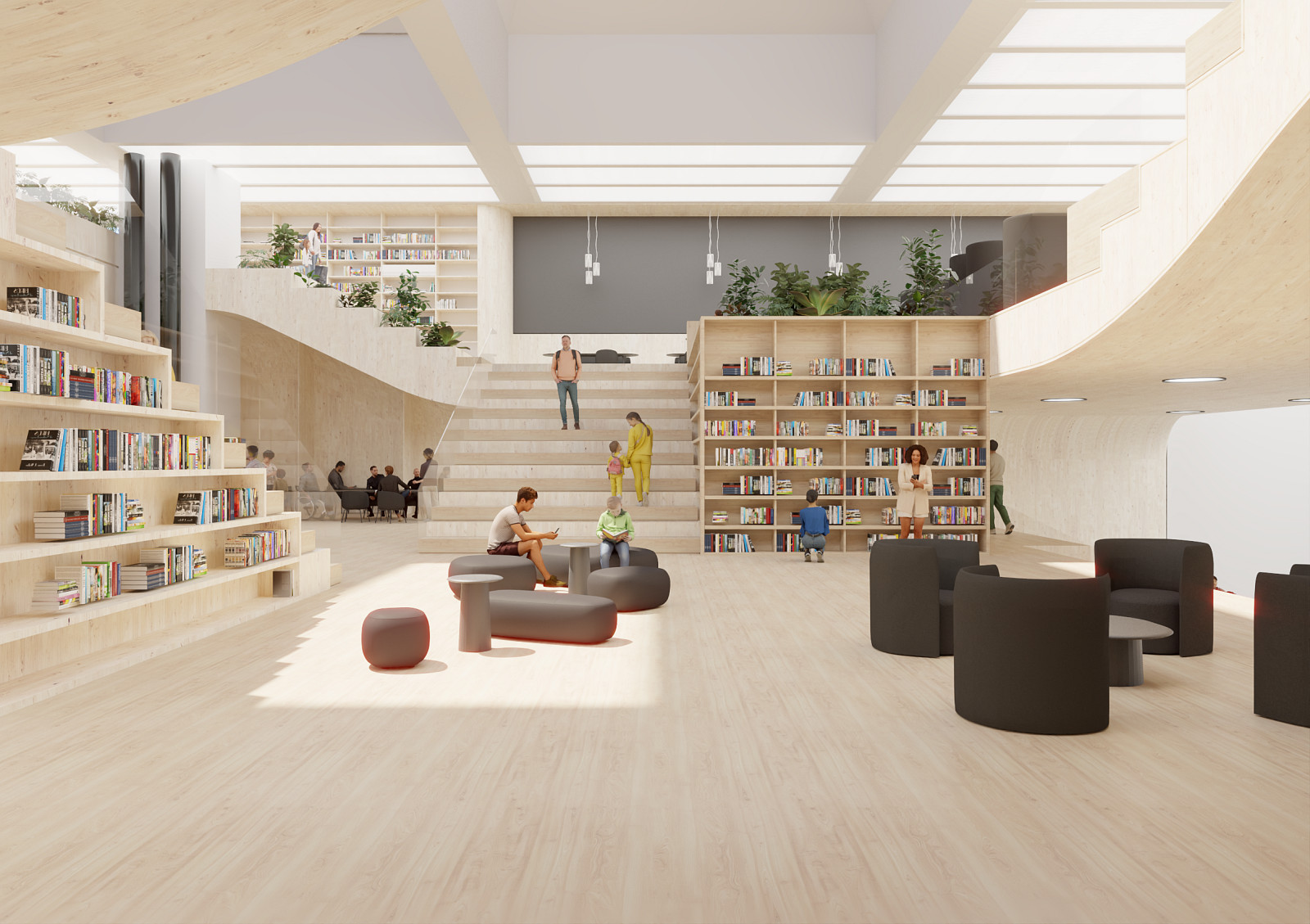
The building is organized through a linear axis and a system of overlapping levels, with independent access points connecting spaces dedicated to culture, work, research, education, and collective encounter. Multimedia rooms, classrooms, library–mediateca, workshops, auditorium, and administrative areas are arranged as flexible modules within the volume, encouraging visual interaction and the overlap of activities. The architecture deliberately challenges the exclusionary nature of conventional educational buildings, positioning culture and interaction as core formative drivers.
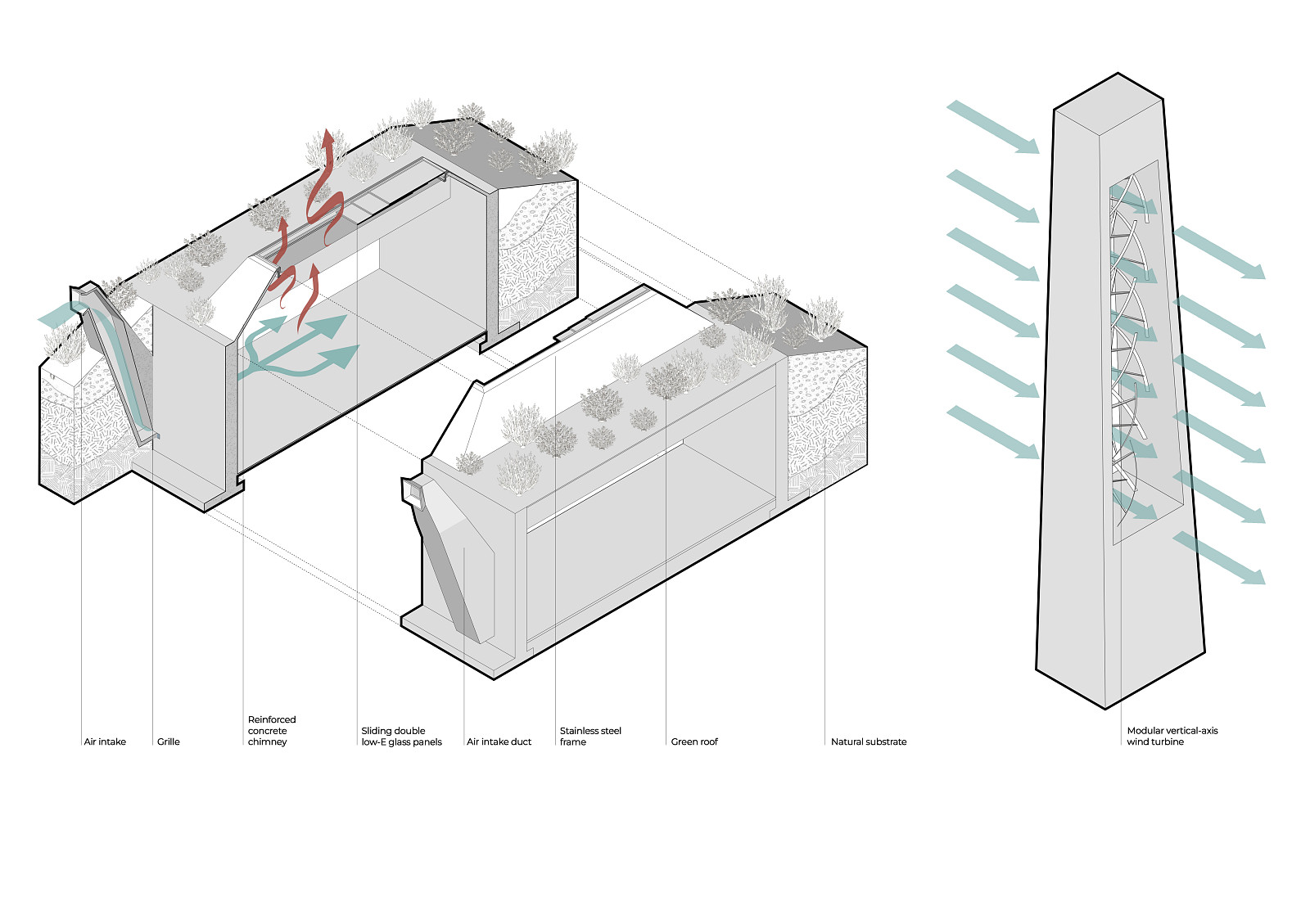
From an environmental perspective, the project integrates passive strategies directly into the architectural design. A green roof crowns the building, from which solar chimneys emerge as architectural elements, enhancing natural ventilation and thermal regulation. Together with the building’s partially buried condition, the thermal inertia of the ground, wind catchers, a green roof and strategically placed voids, these systems reduce energy demand and reinforce the relationship between architecture, climate, and landscape.
Technical information
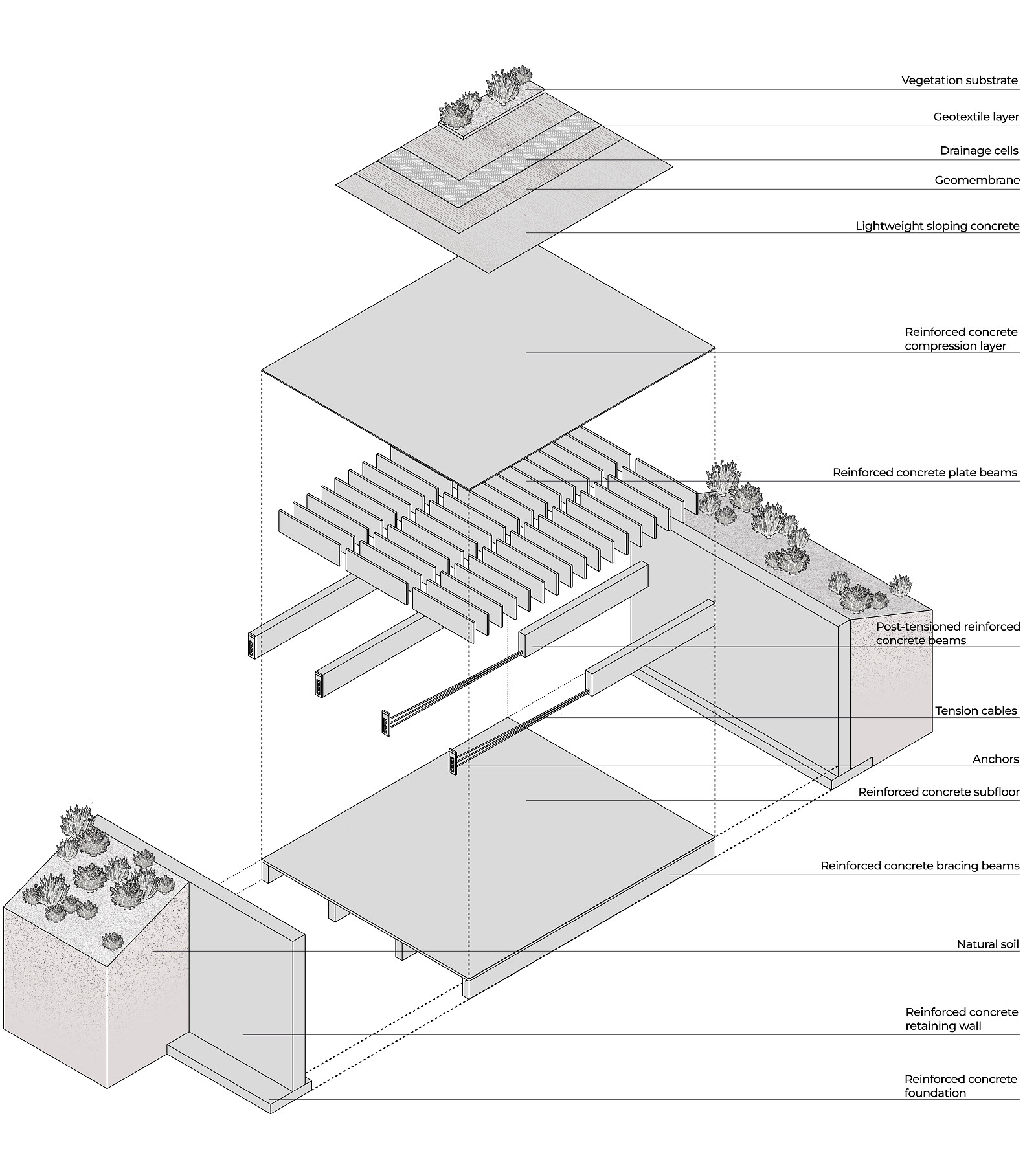
The structural system is based on reinforced concrete, enabling large spans and continuous planes that are progressively fragmented to generate intermediate levels and spatial diversity within the main volume. Material decisions respond both to seismic conditions specific to the region and to the requirements of a partially buried building with large structural spans.
Concrete was also selected for its long-term durability and minimal maintenance, ensuring the building’s sustainability over time. This system facilitates the integration of bioclimatic strategies, including solar chimneys for hot air extraction and wind catchers that introduce fresh air into the interior spaces, reducing energy demand and reinforcing the building’s environmental performance.
Documentation


Copyright © 2026 INSPIRELI | All rights reserved. Use of this website signifies your agreement to the Terms of Use, Privacy Policy, and use of cookies.
