Arch aiyda project

Project idea
The concept behind Aiyda’s architectural projects originates from a deep personal fascination with construction, infrastructure, and the transformative power of the built environment. Her inspiration comes from observing how roads, bridges, and urban structures shape the rhythm of human life — and how thoughtful design can make movement, connection, and everyday living easier and more meaningful.
Aiyda’s work is driven by the belief that every unused or overlooked space holds potential. By reimagining these spaces with clarity, efficiency, and purpose, she aims to create environments that serve people better and elevate their quality of life.
Her approach blends classical design principles with contemporary needs, opening a new chapter in architecture where functionality, beauty, and human comfort coexist.
At the heart of her vision is a simple idea:
People deserve to live in spaces that inspire them — spaces that are designed intelligently, built responsibly, and shaped for a better future.
Project description
Project Description
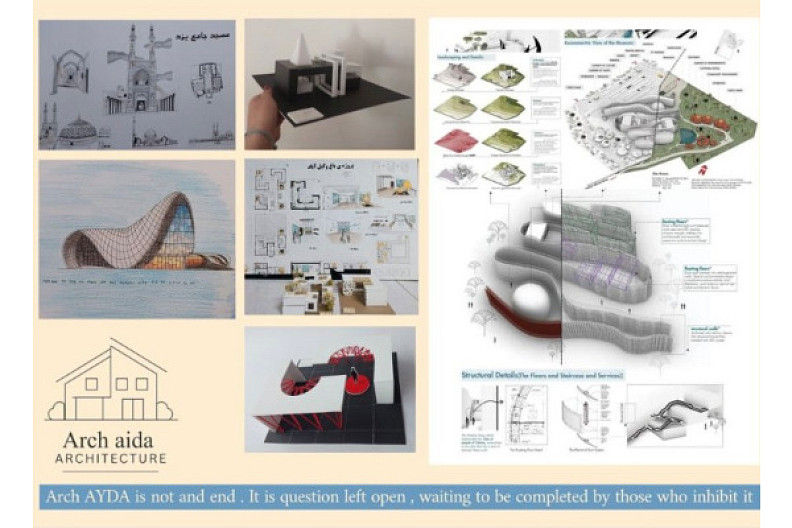
This project is designed as a fully integrated urban environment where everyday life, essential services, and cultural experiences come together in a cohesive architectural vision. The concept focuses on creating a district that supports both primary and secondary human needs, ensuring comfort, accessibility, and diversity for all residents.
To provide complete convenience, the area includes a network of essential services such as banks, flower shops, retail stores, and 24/7 supermarkets, all positioned to create a seamless daily experience. Each function is designed with attention to detail: banks are equipped with modern anti‑theft protective systems, representing a new layer of safety‑driven architectural innovation; flower shops feature glass‑based structures with integrated irrigation shelves, introducing a fresh approach to botanical retail design.
Cultural life is supported through a theater hall designed for those who appreciate literature and performance. Its interior blends contemporary design techniques with classical architectural elements inspired by historic literary eras, creating a space that feels both modern and timeless.
Healthcare facilities, including hospitals and laboratories, are constructed with reinforced concrete systems and secure metal railings to ensure durability and safety. A dedicated security kiosk enhances controlled access and operational stability.
Sports facilities are designed with a clear separation between beginner and advanced athletes, offering specialized zones for different levels of training. The complex includes expanded locker rooms and an intelligent laundry system, improving hygiene and efficiency for users.
Public parks and open spaces are shaped as social anchors of the community — green, inviting, and thoughtfully landscaped to encourage gatherings, conversations, and shared moments. These areas are designed to strengthen social bonds and provide a refreshing escape within the urban fabric.
Educational structures, including schools and universities, follow a functional and organized architectural system that supports learning, movement, and accessibility. Classrooms, laboratories, and communal areas are arranged to promote interaction, creativity, and academic growth.
Residential units are designed to accommodate a wide range of lifestyles — from single‑occupancy and student housing to family units for up to four people, reflecting the needs of a typical, balanced community. Each home is planned with comfort, privacy, and efficient use of space in mind.
Overall, the project aims to create a district where architecture enhances life at every scale — from daily routines to cultural experiences — offering people a new, thoughtful, and human‑centered environment to live, learn, and connect.
Technical information
✨ Technical Information (Materials & Construction Approach)
The project is designed using a combination of durable, efficient, and contemporary construction materials.
Primary structural systems rely on reinforced concrete frameworks to ensure stability, longevity, and resistance to environmental conditions. In high‑security areas such as banks, hospitals, and laboratories, steel railings, protective barriers, and anti‑theft architectural elements are integrated to enhance safety and controlled access.
Commercial spaces, including flower shops and retail units, incorporate glass façades with modern irrigation‑enabled shelving systems, introducing a new approach to transparent and functional storefront design. Public buildings such as theaters and cultural halls use a blend of acoustic materials, classical detailing, and modern lighting systems to create a balanced environment between tradition and contemporary performance needs.
Sports facilities are constructed with lightweight steel structures, expanded locker areas, and smart cleaning systems, ensuring durability and user comfort.
Residential units utilize a mix of concrete, insulated wall systems, and energy‑efficient glazing, providing thermal comfort and privacy for single occupants, students, and families.
Outdoor spaces and parks are shaped with sustainable landscaping materials, permeable pavements, and long‑lasting urban furniture to support social interaction and community life.
Across the entire project, the technical strategy focuses on safety, efficiency, sustainability, and the intelligent use of materials to create a cohesive and future‑ready urban environment.
Documentation
Created in:


Copyright © 2026 INSPIRELI | All rights reserved. Use of this website signifies your agreement to the Terms of Use, Privacy Policy, and use of cookies.
