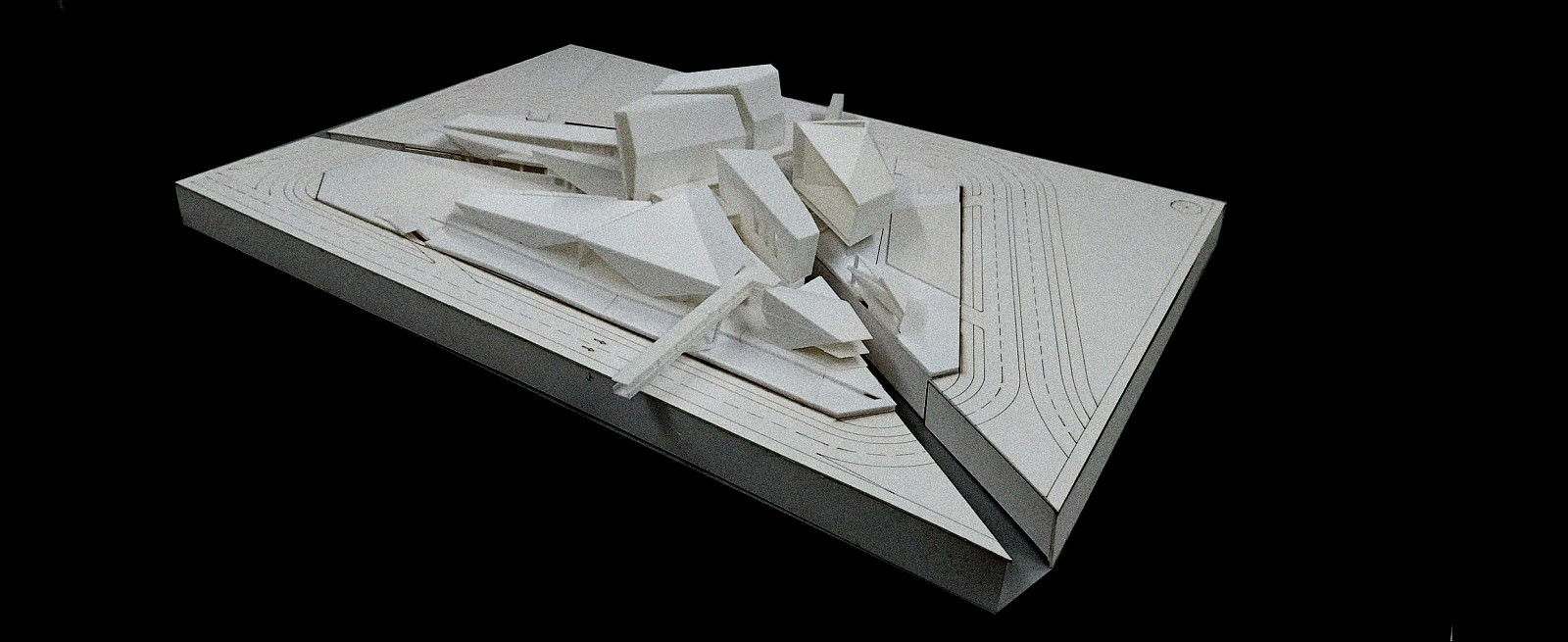
Skyscape


Project idea
Skyscape begins with a question:
What if aviation was not only about departure, but about reflection and exploration?
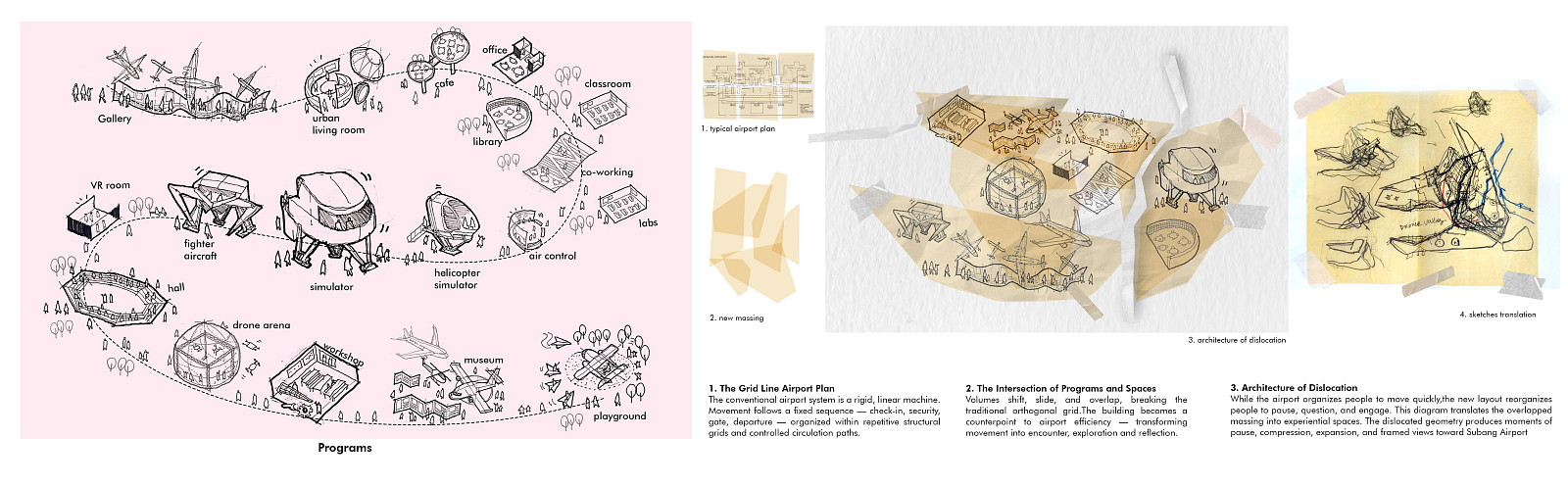
Airports are typically machines of precision — rigid grids, controlled flows, efficient transitions. Skyscape gently dislocates this logic. It shifts, overlaps, and repositions space to break the predictable rhythm of the terminal. In doing so, it transforms movement into encounter, transit into contemplation, and infrastructure into culture.
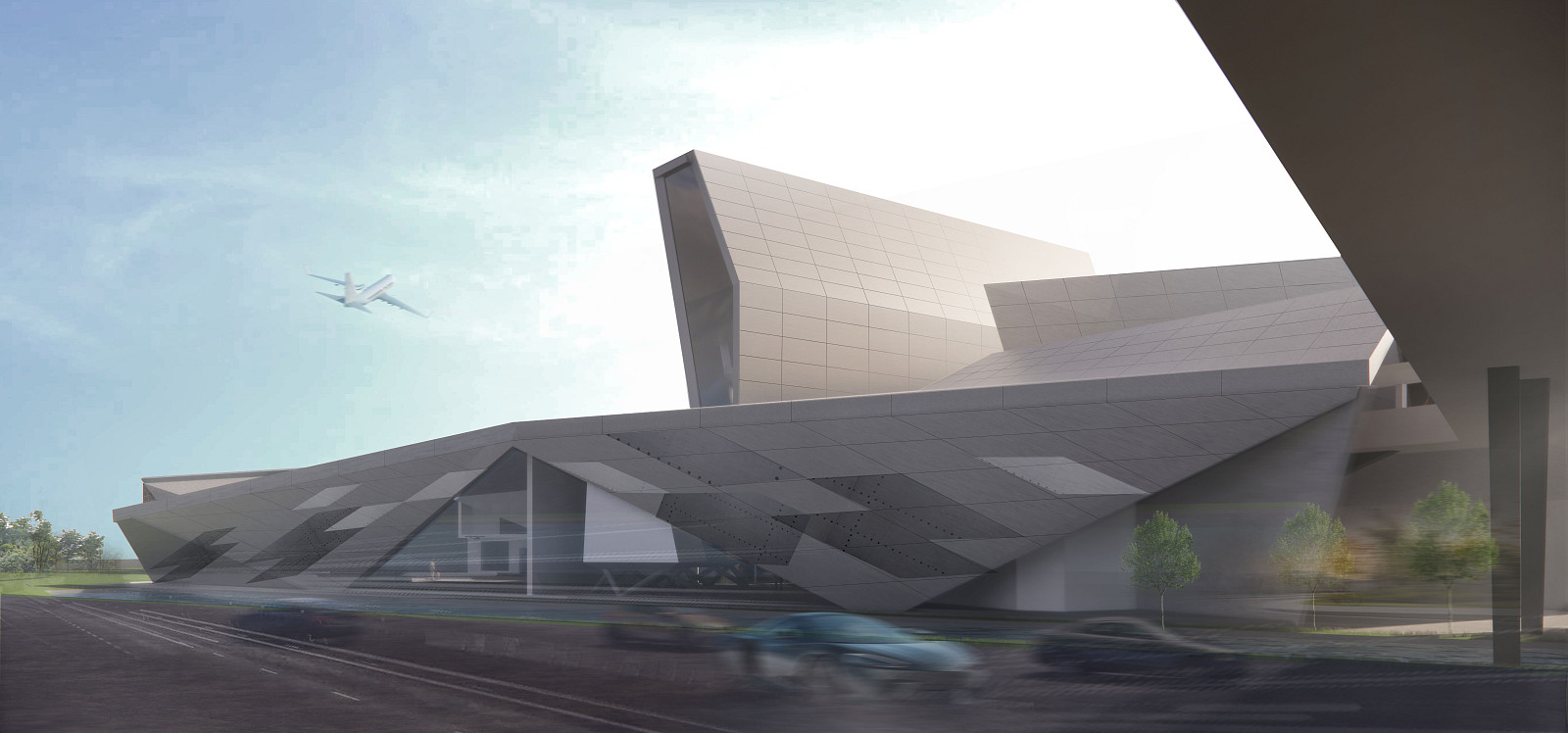
The project reimagines Subang Airport ( Malaysia’s primary international gateway for over 30 years ) not simply as an airport, but as a ground of ideas — where flight is studied, debated, experienced, and reinterpreted. Through learning, experimentation, and public participation, Skyscape proposes aviation as a shared civic narrative rather than a distant industry.
It is a place to rethink how we fly, why we fly, and what flight means for our future.
Project description
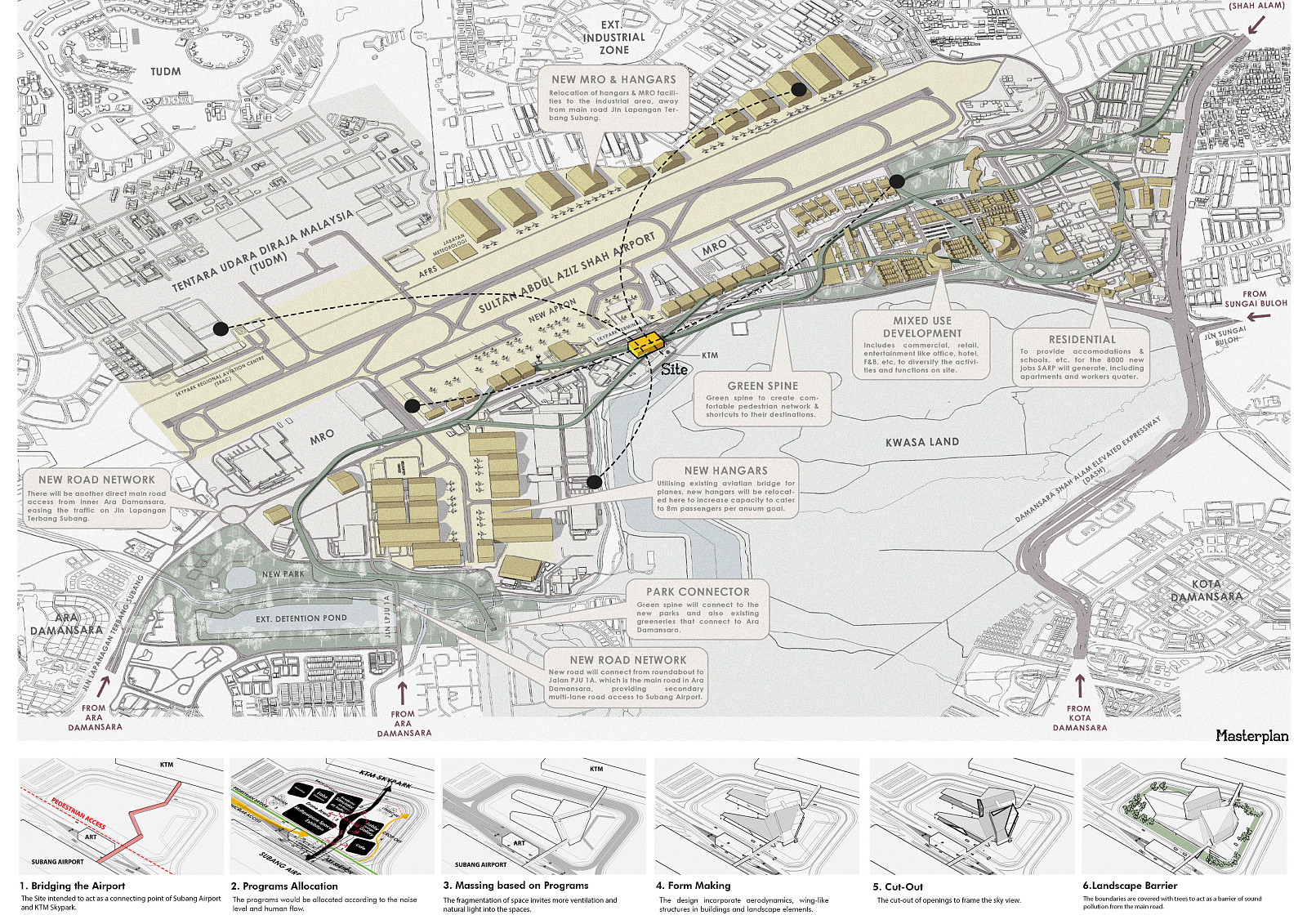
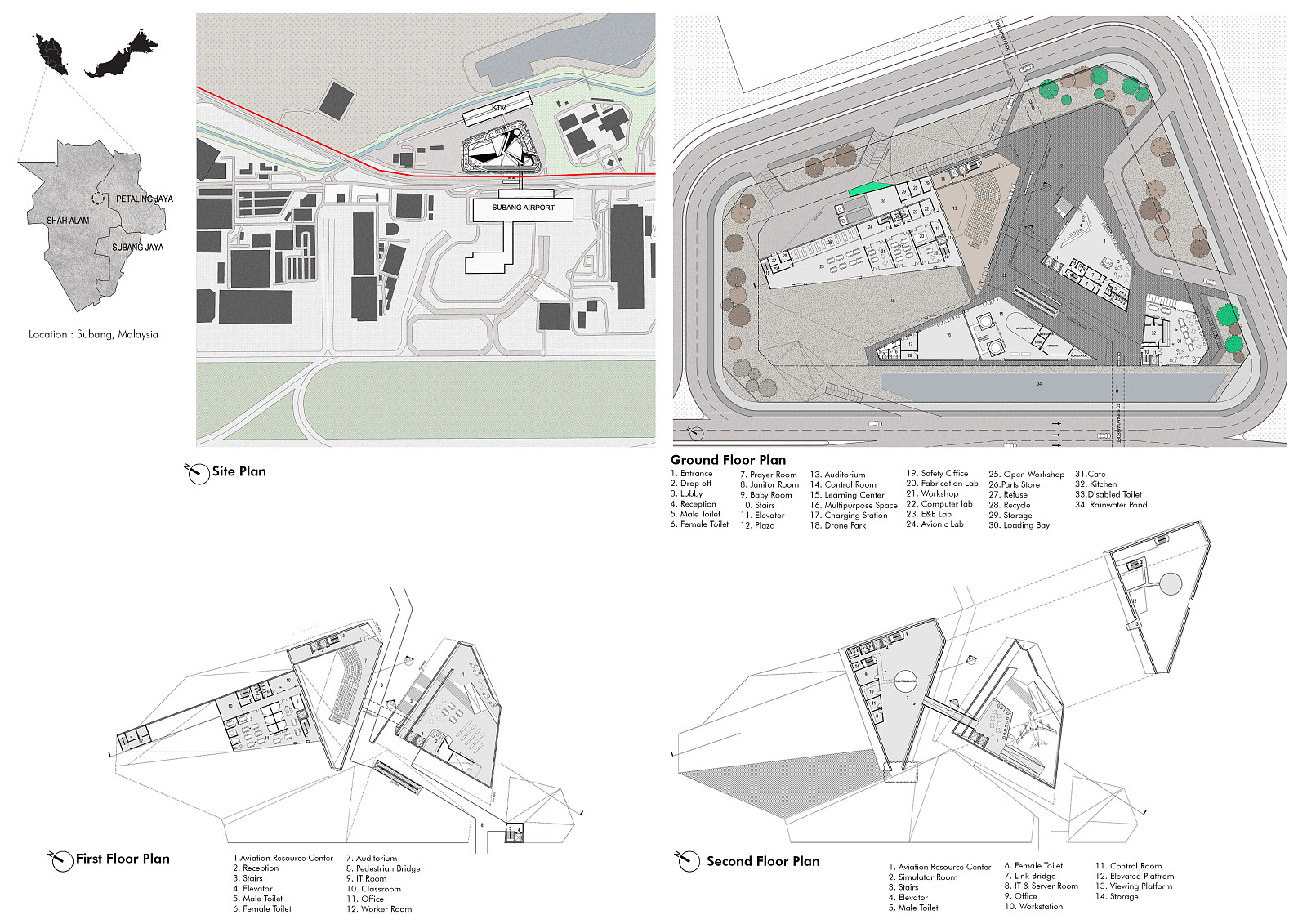
Located opposite Subang Airport, one of the historical airport in Malaysia, Skyscape is envisioned as an Aviation Campus that revitalizes the surrounding context through academic activity and public participation. The project aligns with the broader regeneration vision of Subang Airport by strengthening the aviation ecosystem through knowledge, research, and community engagement.
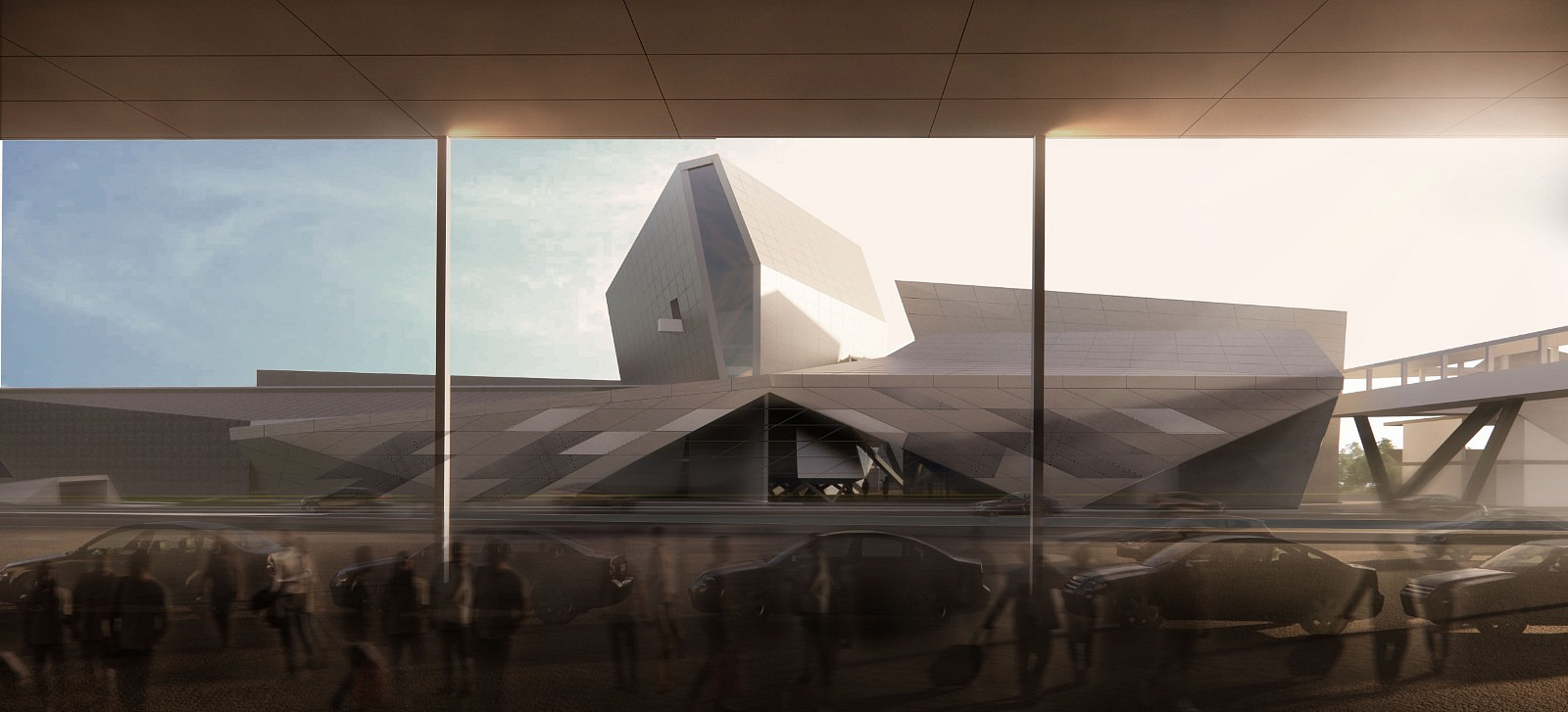
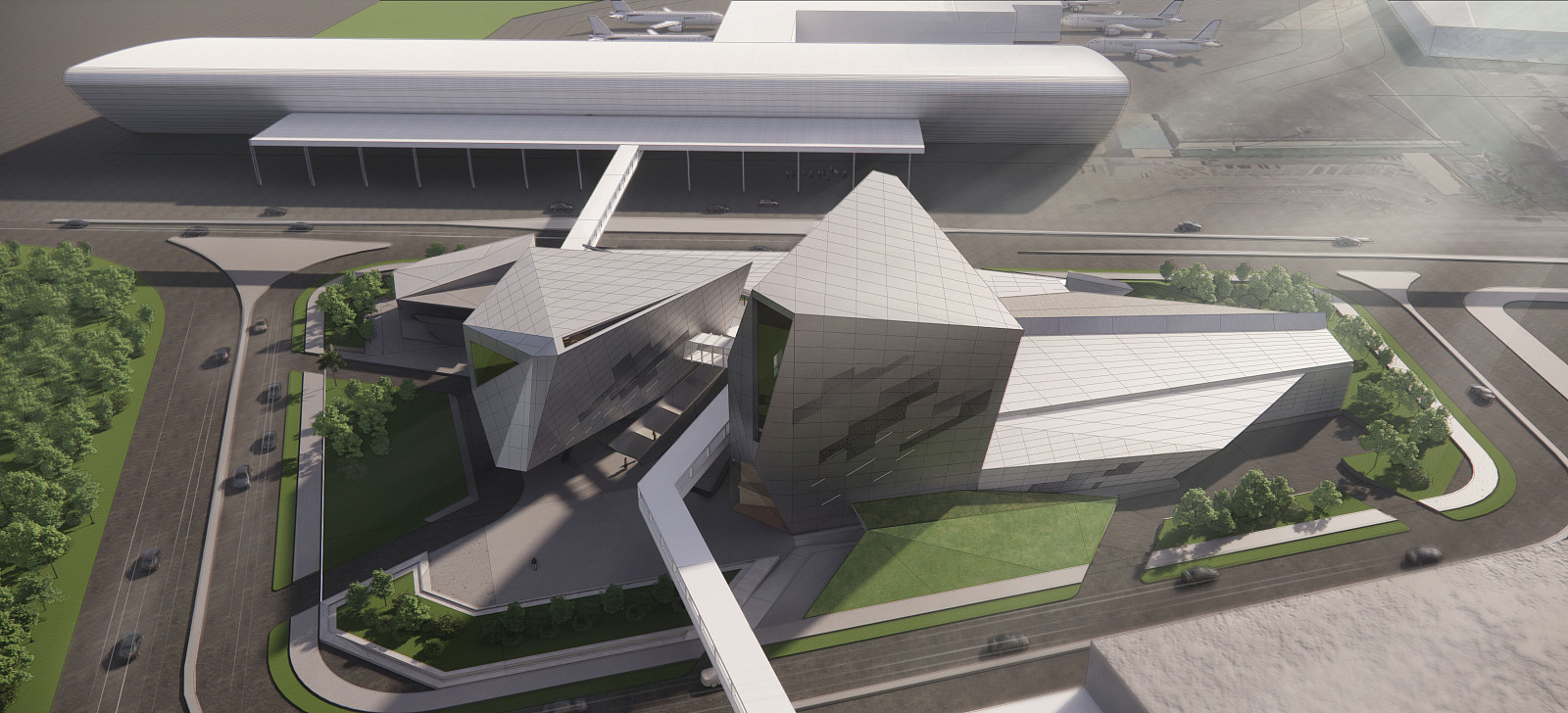
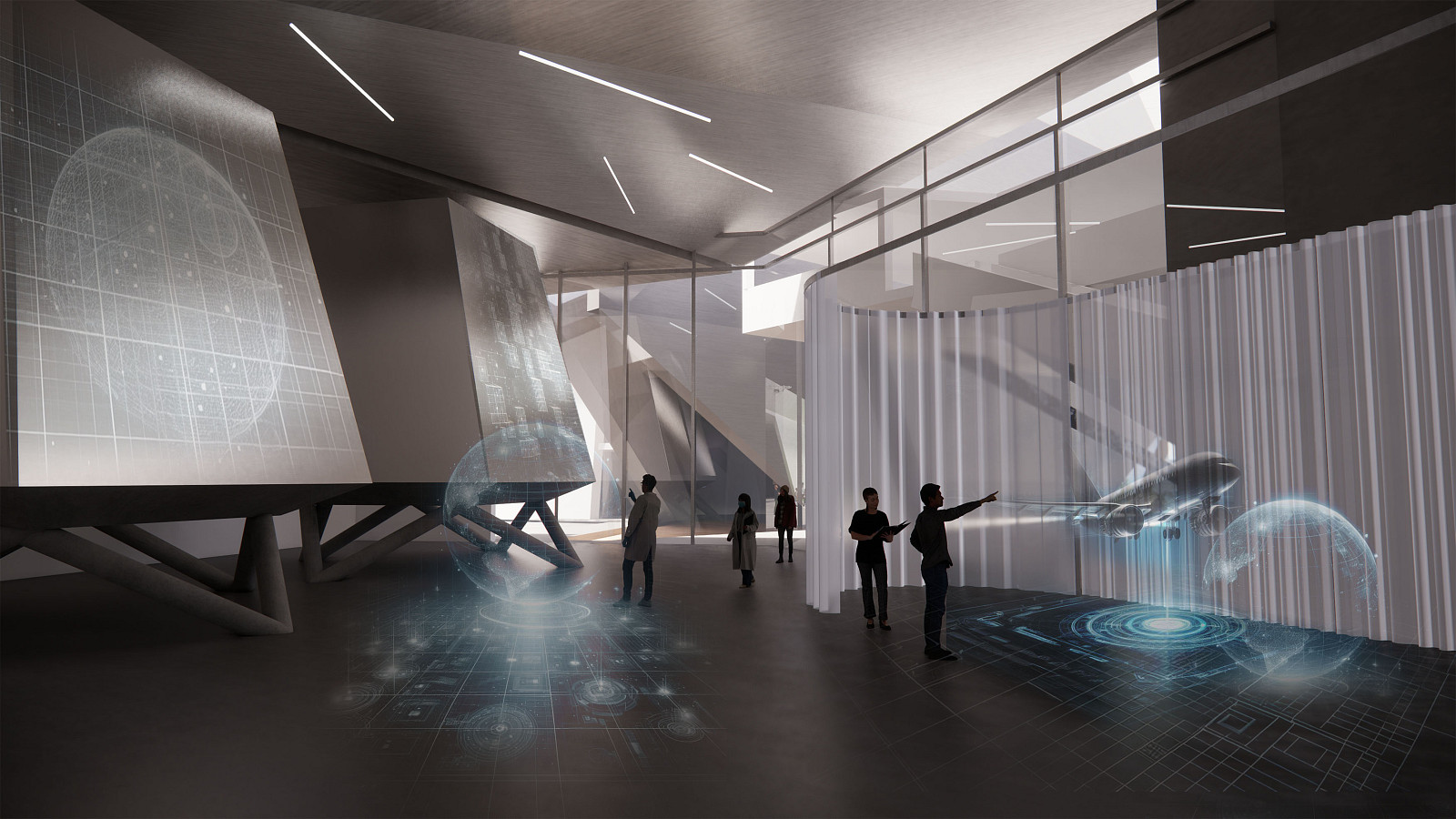
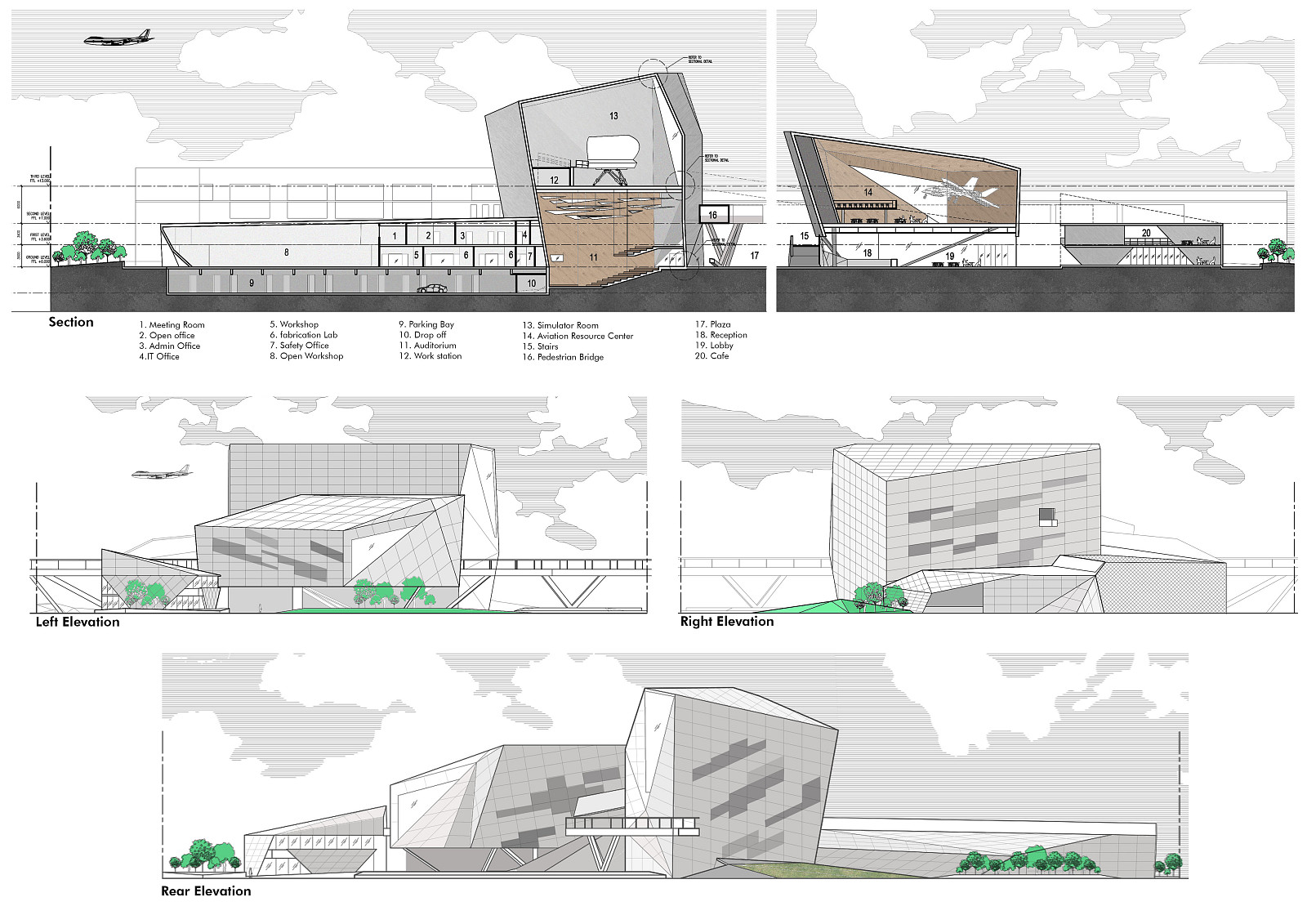
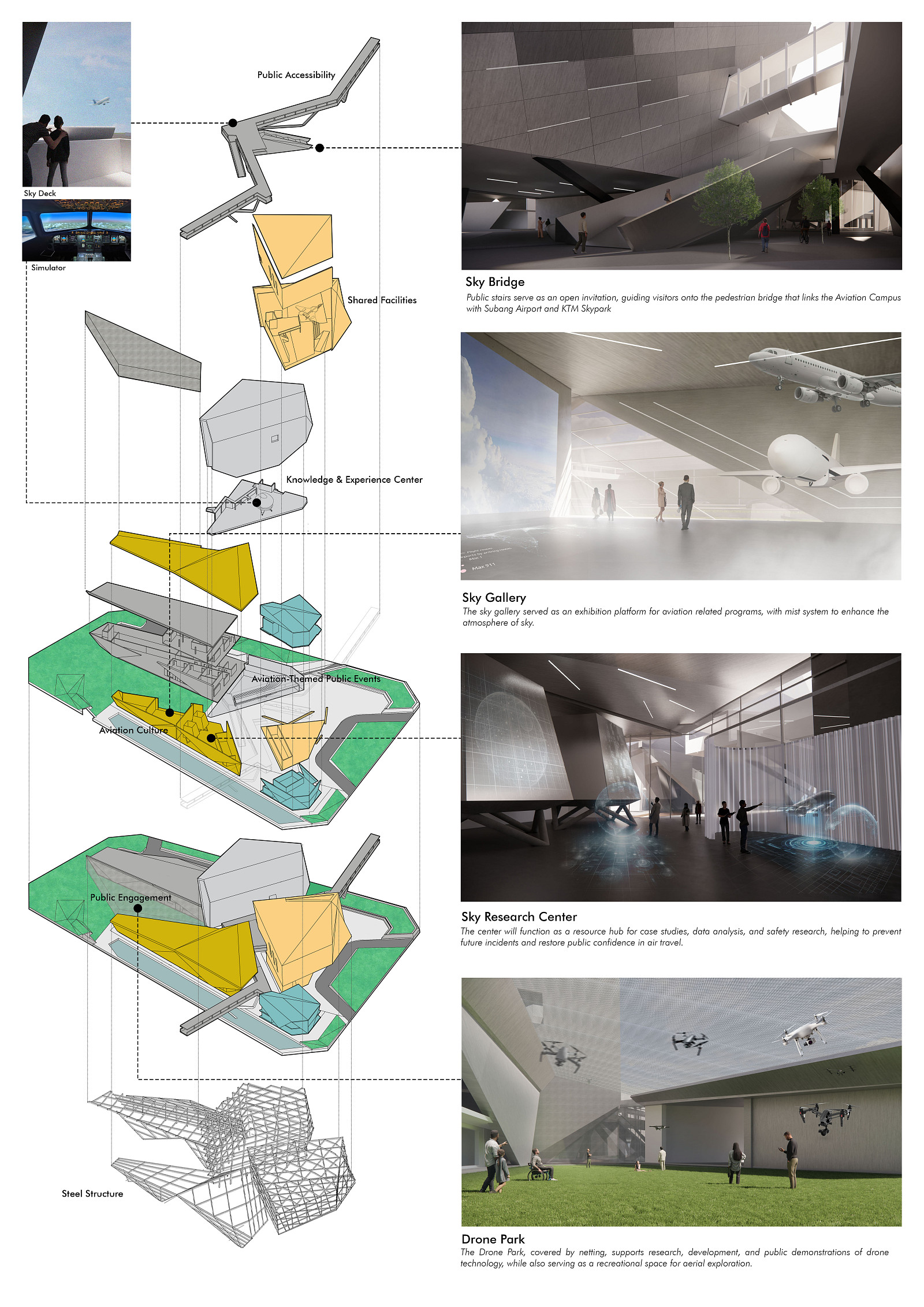
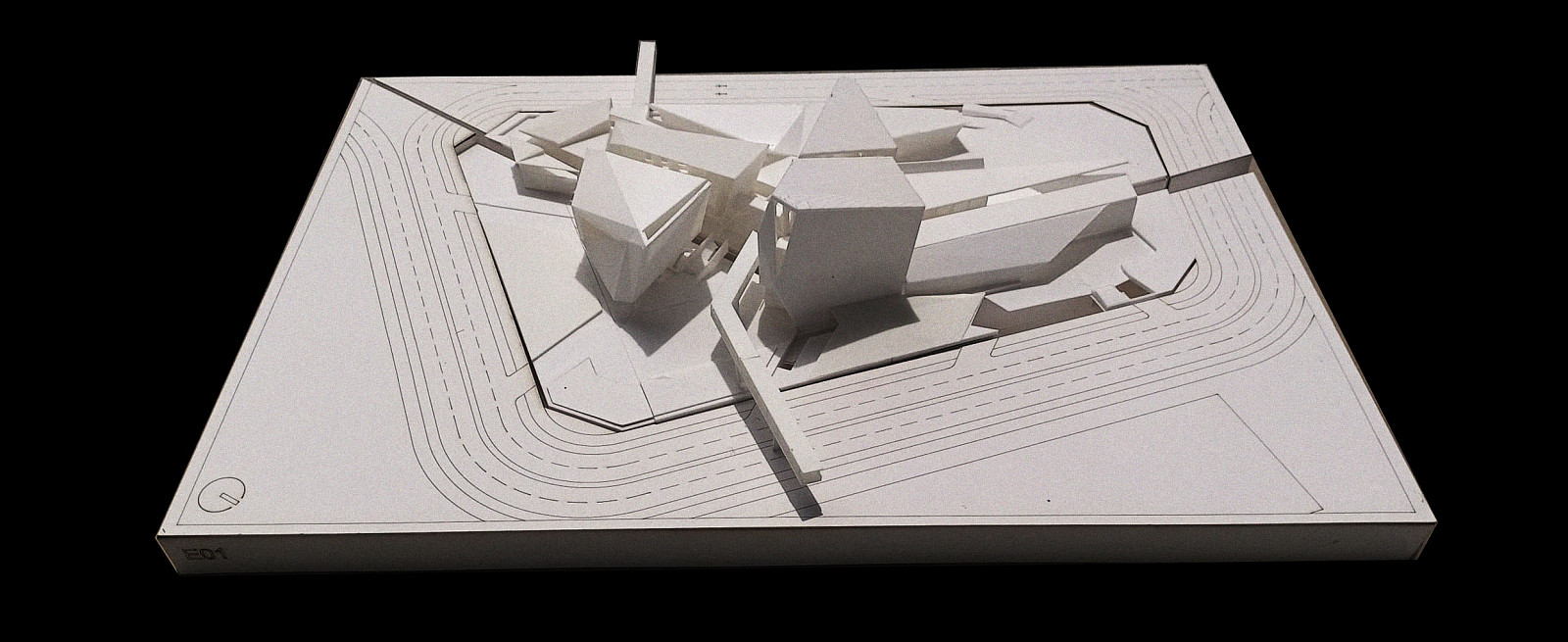
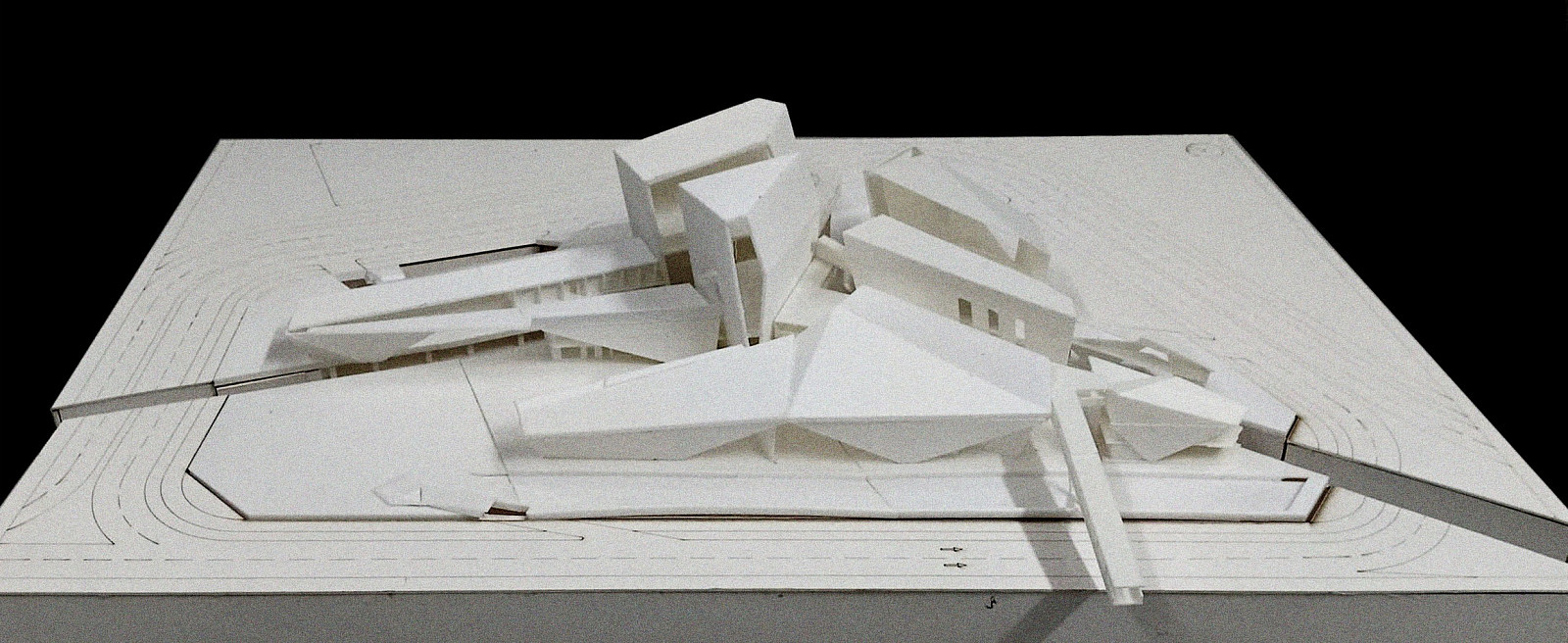
The building challenges the rigid efficiency-driven planning of traditional airports through a strategy of dislocated and overlapping volumes. Shifted massing, intersecting circulation paths, and layered spatial sequences replace linear movement with experiential exploration. Movement becomes encounter; transition becomes reflection.
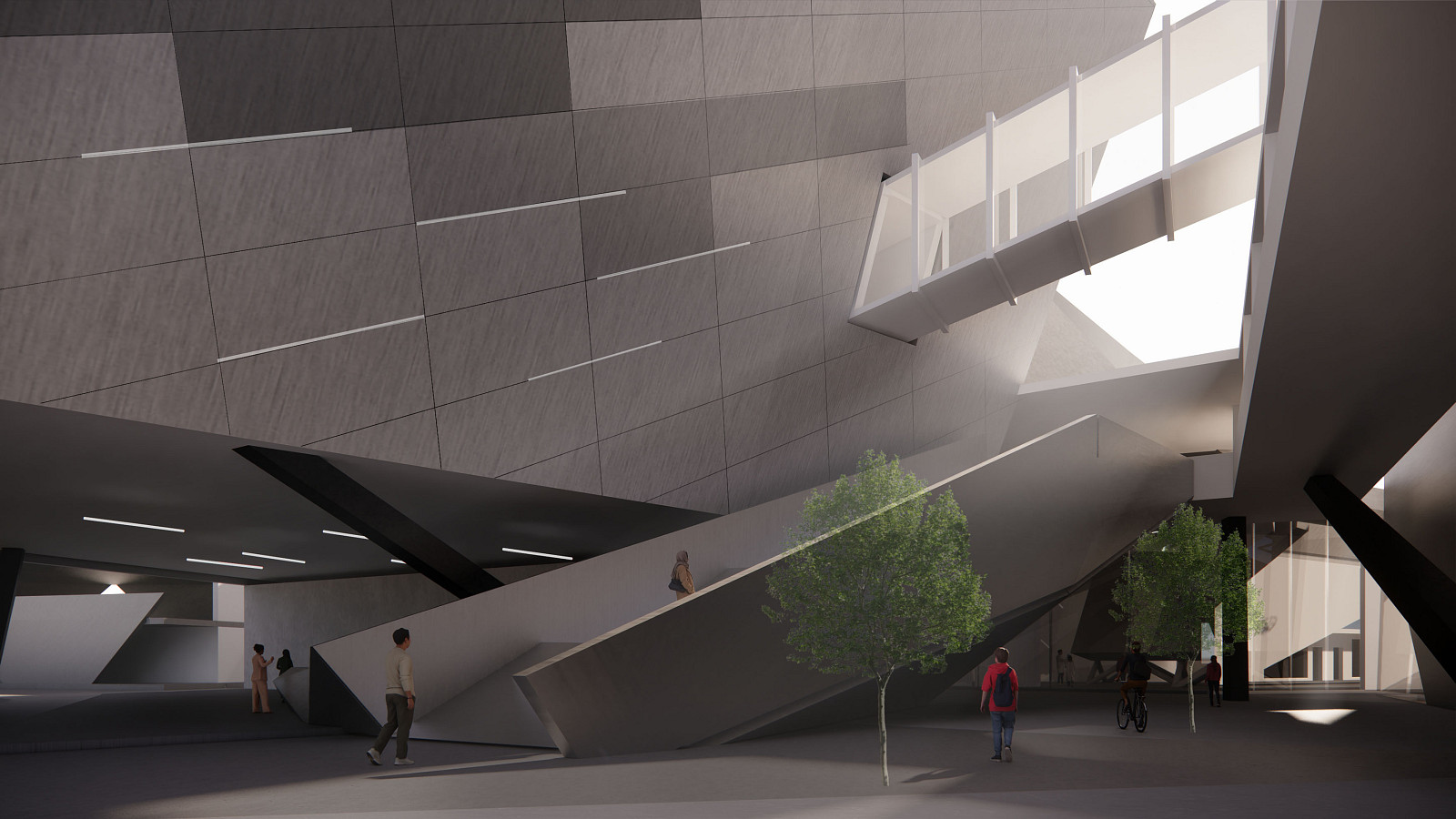
The masterplan positions the building as a medium of connection. A pedestrian bridge cuts through the architecture, linking Subang Airport, KTM Skypark, and the surrounding urban fabric. The ground level is opened as a civic landscape, encouraging permeability and public interaction. The building thus operates not only as an institution, but as an urban connector.
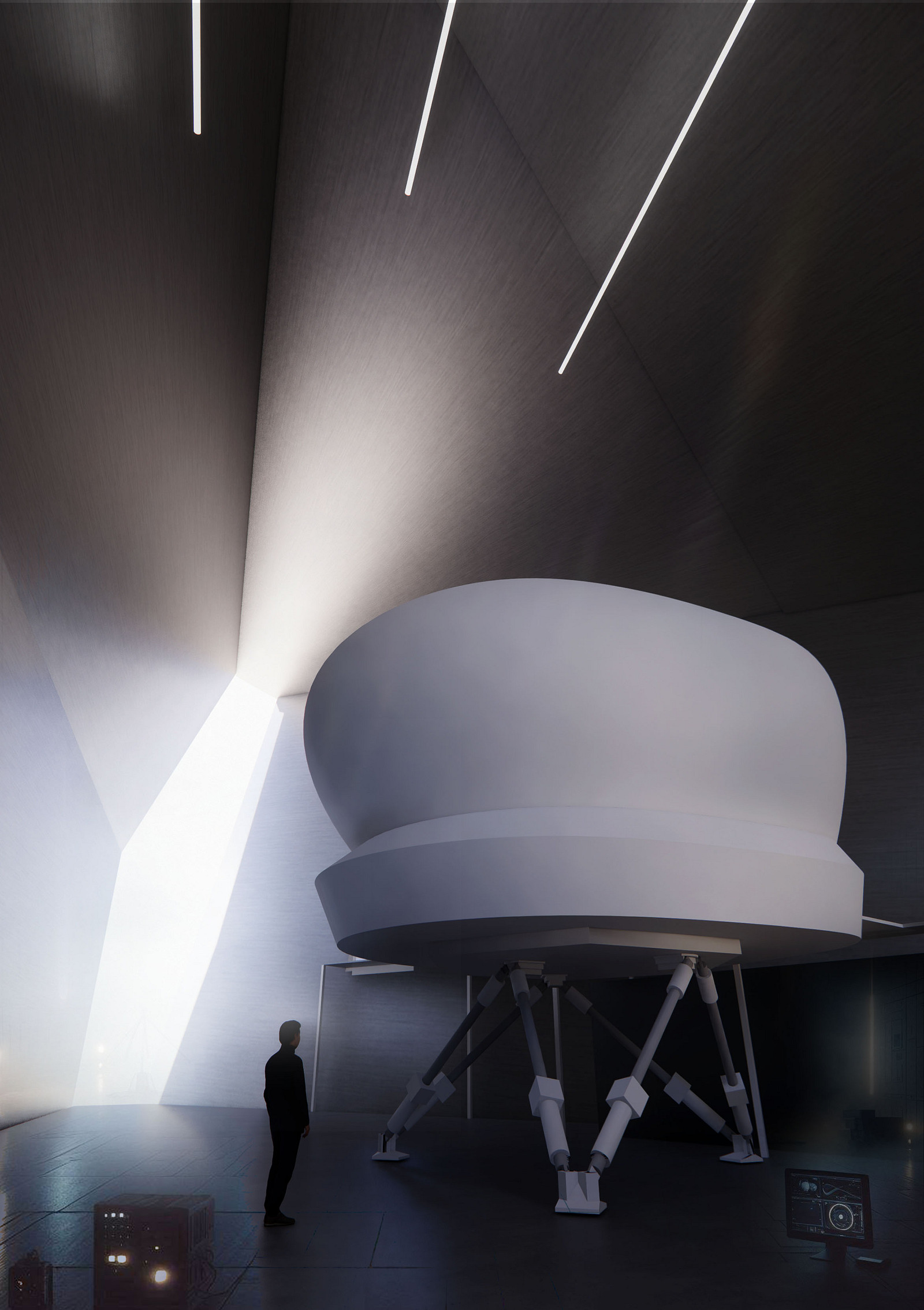
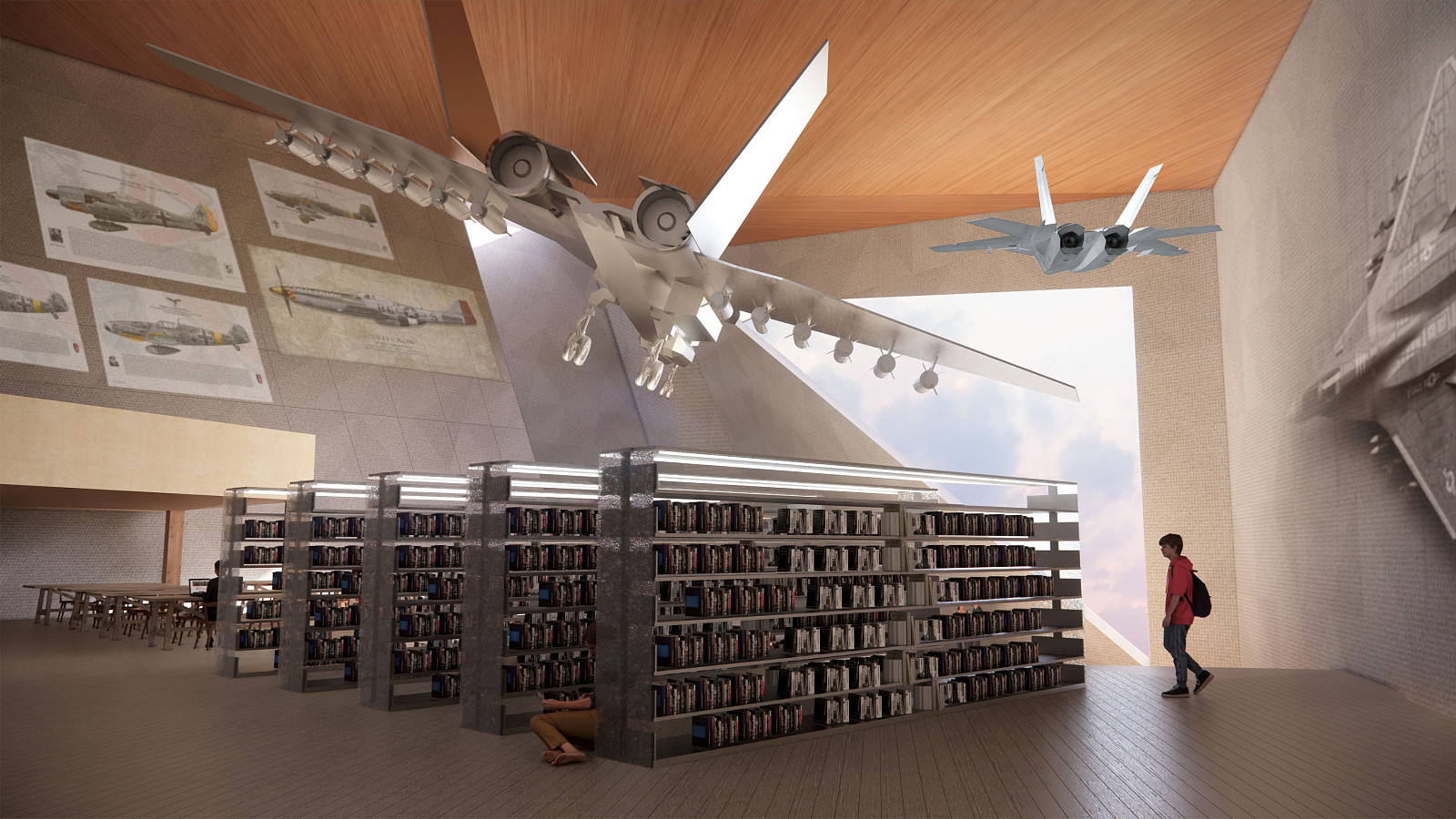
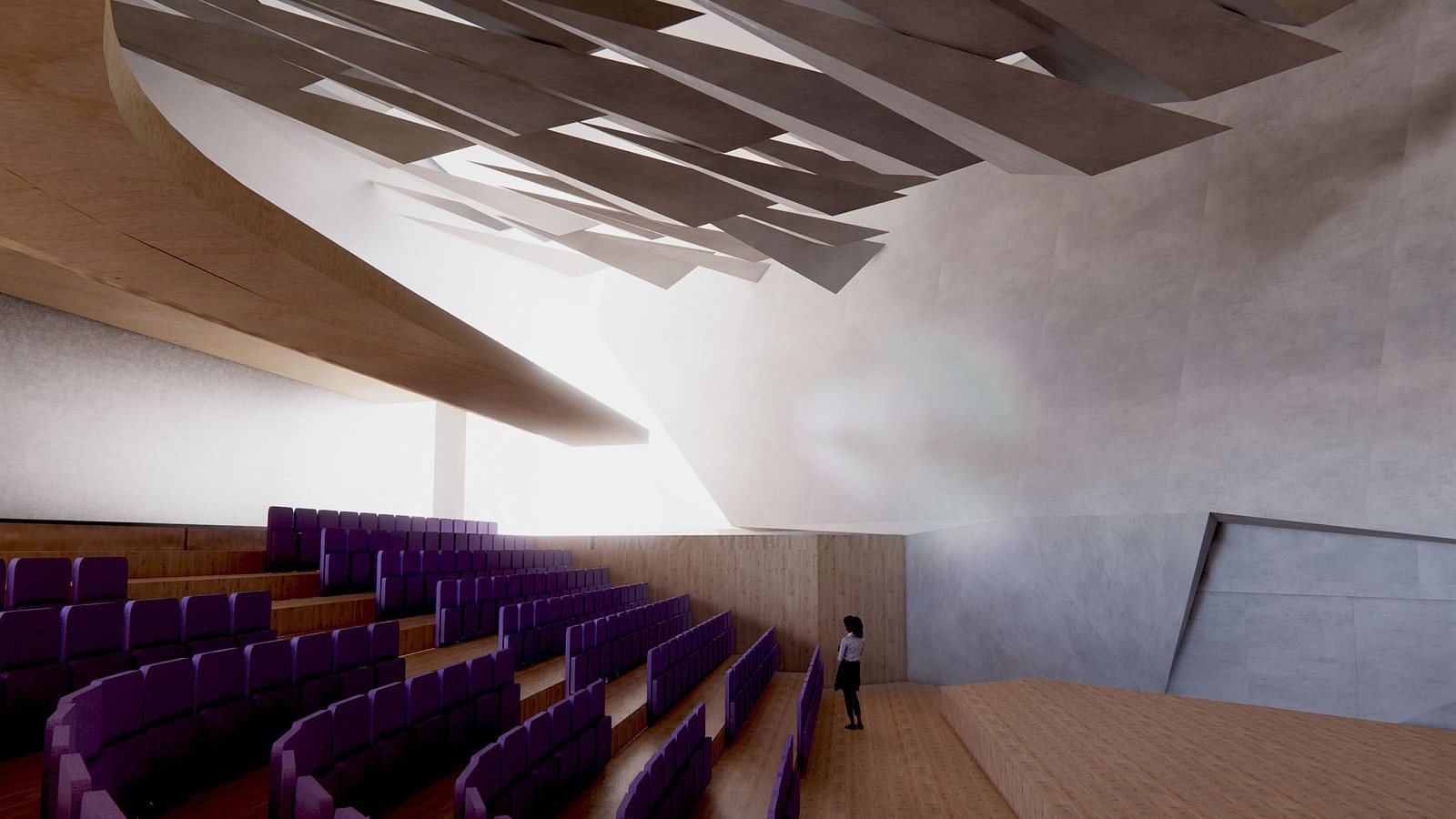
Programmatically, Skyscape integrates training facilities such as simulator rooms, research labs, and resource centers with public-oriented spaces including an auditorium, aviation gallery, and drone arena. Virtual, physical, and interactive learning environments overlap to create a dynamic educational ecosystem where students, professionals, and the public engage together.
Inspired by aerodynamic principles, the architecture adopts fluid forms and reflective surfaces that echo the precision and craftsmanship of aviation. The project merges technical, cultural, and spatial narratives into a unified architectural expression — positioning aviation as a symbol of national identity, knowledge, and future ambition.
Technical information
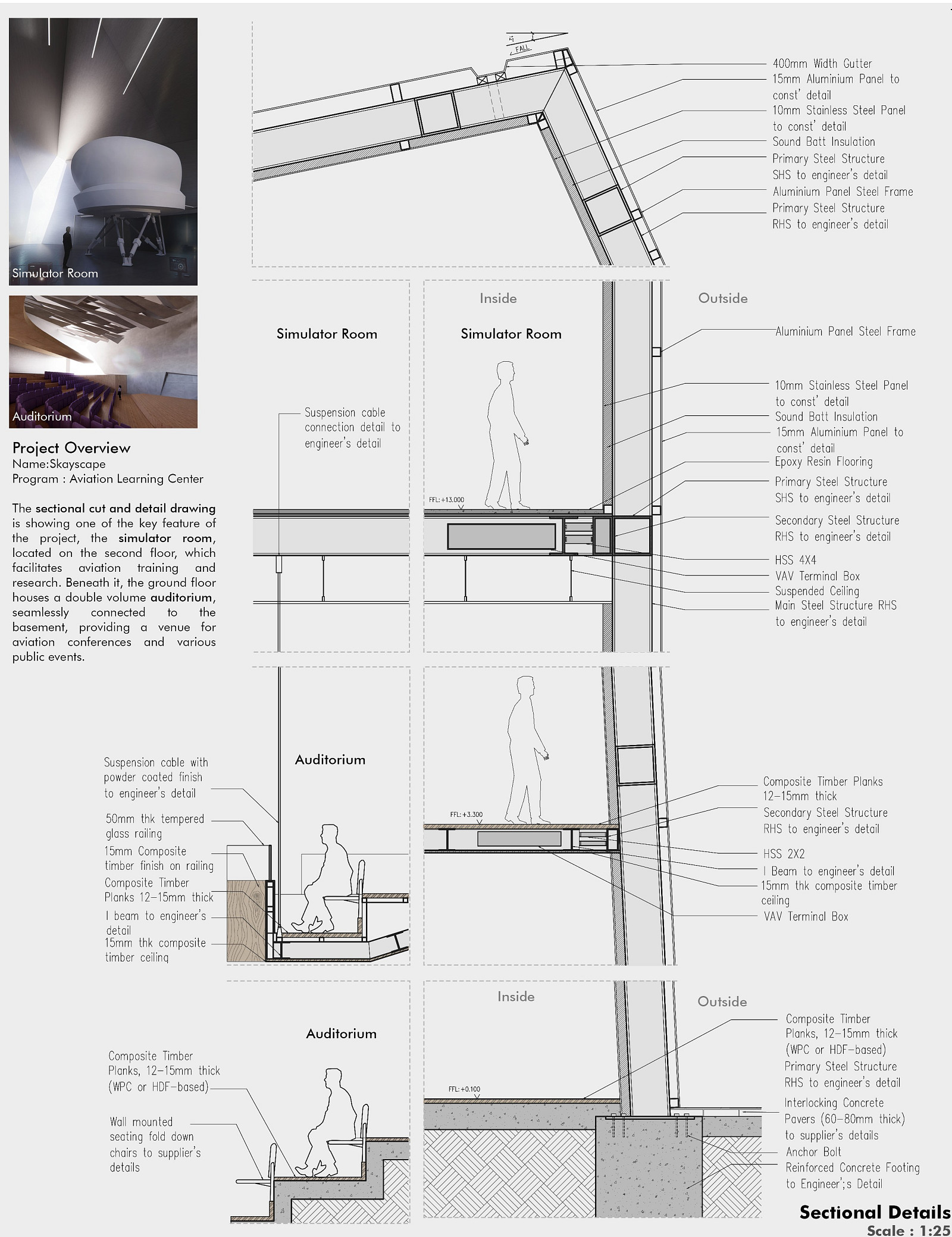
Structure: Steel frame structural system for long-span flexibility and reduced structural weight.
Façade: Lightweight aluminium cladding with high solar reflectance to reduce heat gain.
Spatial Organization:
Ground Floor: Public auditorium interconnected with basement for large-scale aviation events and conferences.
First Floor: Simulator rooms and research facilities requiring acoustic and thermal insulation.
Environmental Strategy:
High-performance insulation for simulator rooms to maintain controlled temperature and sound isolation.
Shaded circulation zones and reflective façade to mitigate tropical heat.
Landscape integration at ground level to enhance urban microclimate and public comfort.
Connectivity Strategy:
Pedestrian bridge as primary circulation spine.
Two clear public entry points to manage zoning and human flow.
Integration with existing aviation and rail infrastructure.


Copyright © 2026 INSPIRELI | All rights reserved. Use of this website signifies your agreement to the Terms of Use, Privacy Policy, and use of cookies.
